
Accelerating Results: Insights from the 2022-24 AI-DS Cohort for Learning and Health
AI and Data Science Cohort Overview
In April 2022, UNICEF Venture Fund invested in the AI and Data Science cohort to accelerate learning outcomes, generating model predictions to serve health and healthcare needs, and provide access to online tools at lower costs and in low connectivity settings. The cohort consisted of six female co-led ventures and three youth-led ventures (founders under 35). Graduating between June 2023 and June 2024, nine solutions received financial support and benefited from over 300 hours of mentorship from the Venture Fund..
The cohort was comprised of companies at different growth stages which required a tailored approach to supporting startups throughout the investment period. For example, Brazil-based Portal Telemedicine, with nearly ten years of traction in telehealth services, aimed to develop an open-source child development platform, while AQAI, birthed from innovation challenges, focused on finding product-market-fit for its air quality solution. Companies like Bookbot, Afrilearn, Neural Labs, Eyebou and Om3ga developed open-source solutions as part of their main product offerings in their respective markets while companies like Jobzi and Cirrolytix sought to build solutions as value-add, high-impact products in addition to their main service offerings. All companies focused on understanding and testing product-market-fit and generating evidence of impact to inform further development of products and services.
Cohort Results:
Impact and Reach
- Companies have reached over 39.6 million beneficiaries, of which 29% are children, 46% are women and girls, and nearly 2% are persons with disabilities.
- Venture Fund-specific solutions have reached 526,826 beneficiaries, of which 25% are children, 18% are women and girls, and 5% are persons with disabilities.
Financial Performance
- Companies generated over $15.4 million in revenue, and $6.68 in follow-on funding. (It is worth noting that 82% of revenue figures are from Portal Telemedicine.)
- Venture Fund-specific solutions have raised over $1 million in revenue, and $605,000 in follow-on funding.
Lessons on AI and Data Science
Throughout the investment period, several trends and challenges related to AI and Data Science were observed. Shared challenges for companies included: identifying users for product testing, data sourcing and acquisition, processing and labeling data, adapting data pipelines and model architecture, establishing benchmarks for model performance, and evaluating AI model results with real-world data.
The most successful investments were those that were able to clearly identify engaged users, drive high user engagement, adapt data pipelines to changes, and combine business operational acumen with data science expertise.
Accelerating Learning Outcomes
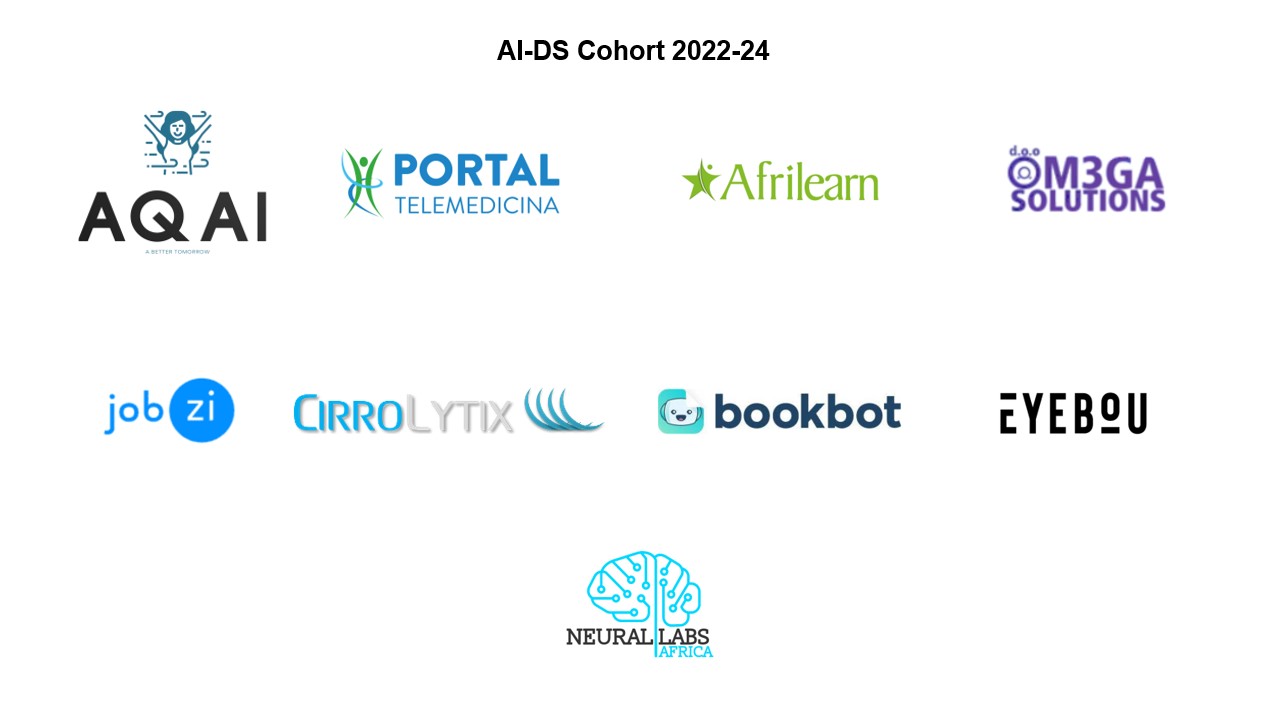
The edtech and learning-focused companies leveraged AI and data science to drive better results for improving student learning outcomes, provide low-cost, offline speech-to-text and text-to-speech tools for more inclusive communication in the classroom, and to bring together valuable data insights enabling decision-makers to understand the long-term outcomes of factors like connectivity on educational and employment outcomes Nigeria-based Afrilearn used AI-powered systems to personalize and gamify educational content, improving engagement and outcomes for users. Real-time feedback, like speech recognition in Bahasa Indonesian, enhanced the reading process by promptly addressing errors for children using Bookbot. Offline capabilities with speech-to-text and text-to-speech options in the Slavic languages were developed by Om3ga, providing opportunities for inclusion for those with speech impairments or disabilities. The role of connectivity was a common thread for Afrilearn, Bookbot and Om3ga to test their solutions in low connectivity or offline settings, as well as ensuring to test their solution with lower cost smartphones. Brazil-based Jobzi examined connectivity data to understand its long-term impacts on educational and employment outcomes across the country.
Case Study: Bookbot (Indonesia)
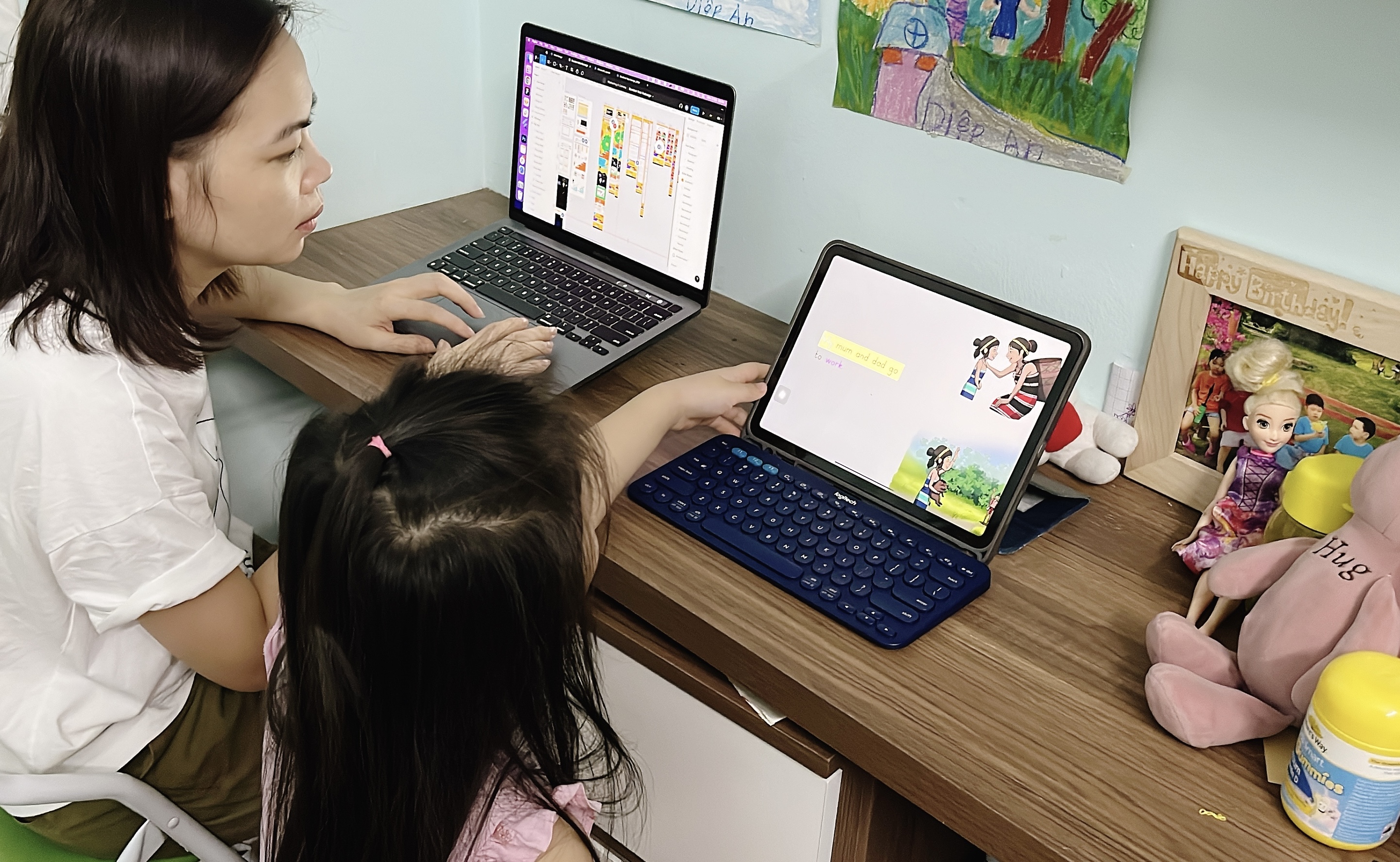
Bookbot integrated gamification and personalization to improve literacy for primary school students in Indonesia. They also integrated speech recognition with their extensive reading program designed for school children to achieve better literacy outcomes. Speech recognition technology listens to children reading aloud, providing real-time feedback and guidance when they mispronounce words. During the investment period, Bookbot developed the Indonesian Phoneme recognizer, now a DPG (Digital Public Good). This solution aims to accurately judge whether the pronunciation of a word is accurate.
Bookbot expanded its library of phonics-leveled books to over 2000 books in Bahasa Indonesia, aligning with the Government of Indonesia’s Kurikulum Merdeka, and over 1000 English books. Additionally, the company collaborated with INOVASI and the Ministry of Education and Culture to promote the app in numerous schools and train 415 teachers with its digital literacy program. Between February and June 2023, the company ran two pilots with a sample size of over 3500 children from more than 45 schools. Teachers expressed enthusiasm for the engaging features, such as gamification, which made learning much more enjoyable for children.
Nearly a year later, Bookbot is continuing to build on its initiatives in Indonesia and aims to expand to more schools. Bookbot is also adapting its solution for Swahili in Tanzania.
Providing data-driven insights using machine learning to serve health and healthcare needs
Health solutions showcase the transformative potential of AI and data science in healthcare by addressing common challenges and themes. These include the integration and management of diverse data types, crucial for creating accurate and efficient data pipelines and models, such as Project AEDES (Cirrolytix). Developing and adapting AI models to specific health contexts, such as medical imaging in the case of Neural Labs Africa or air quality analysis for AQAI, required iterative refinement and testing to handle real-world variability. Real-world applications and pilot programs such as in the case of Eyebou and Portal Telemedicine played a critical role in validating these AI solutions, providing essential data and demonstrating their effectiveness in practical settings. Personalization and working with users were important to meet the needs of healthcare professionals and patients. Moreover, a strong focus on accessibility and inclusivity ensured these technologies could be used in low-connectivity areas and underserved populations, highlighting the importance of reaching a broad audience to maximize impact.
In the case of Neural Labs and Eyebou, the companies were able to successfully start clinical trials and/or pilots to test their solution and gather data; however, the volume of data needed to ensure their AI-powered solutions can compete with industry standards will require added time, resources and partnerships.
Case Study: Portal Telemedicine (Brazil)
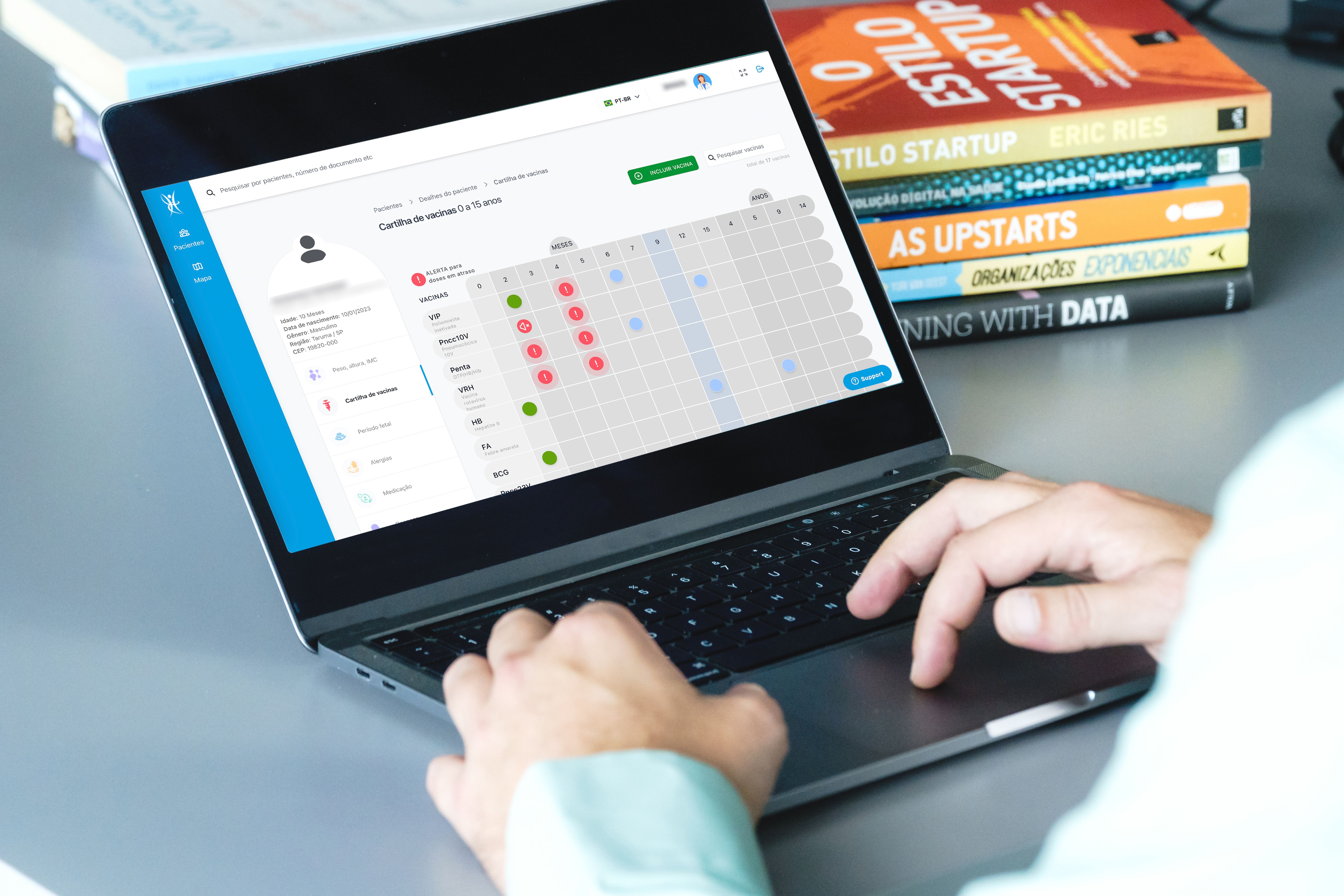
Portal Telemedicine is an integrated platform for AI-powered teleconsultation, population health management, and telediagnosis, including an open-source Smart Child Development Platform with Data, AI, and Dashboard Modules to monitor and notify healthcare professionals about potential delays in child development. The first iteration of the open-source platform focused on vaccination tracking and response. During the investment period, the company conducted a 3-month pilot in the municipality of Tarumã in São Paulo involving 3,876 children aged 0-15 years, generating 3,544 alerts related to the 2 vaccines provided by the Previne Brazil program, a federal government program. Results showed a 3% increase in vaccine coverage. The 0.7% monthly increase showed the potential for an 8.4% annual growth in vaccine coverage with the solution. Since completing the pilot in November 2023, the company reported a 100% vaccination coverage rate in Taruma and plans to extend the usage of the Smart Child Development Platform for vaccination campaigns in the state of Piaui, where Portal Telemedicine has signed to support the digital health rollout for 3 million residents.
Stories by this author
Cleaning Up the Future: How INS is Using AI to Detect and Monitor Waste
Read StoryRelated Stories


