
Optimizing Child Immunization with Portal Telemedicina's Open-Source Module
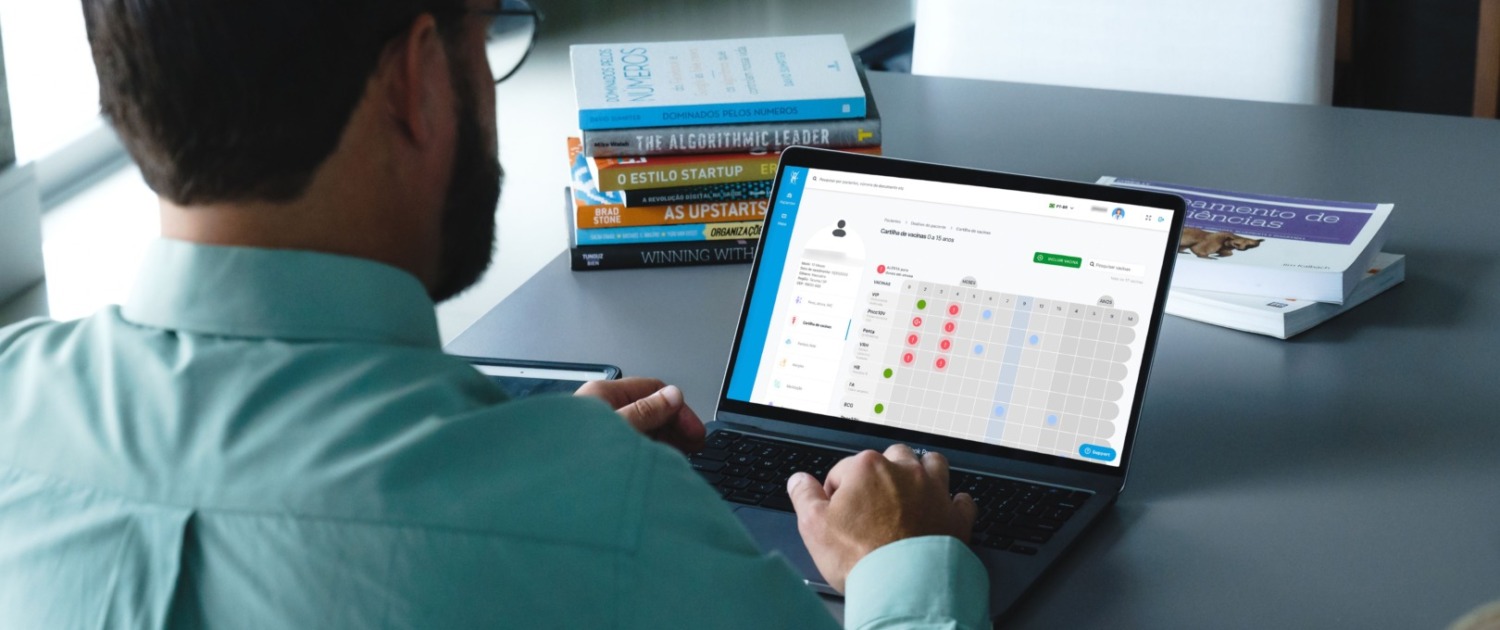
Portal Telemedicina's Innovative Solution for Child Vaccination
Founded in 2013, Portal Telemedicina, a telehealth and population health management platform based in Brazil, has been at the forefront of integrating medical records and devices to facilitate remote consultations. The platform leverages artificial intelligence, trained on millions of exams, to detect anomalies and prioritize emergencies, ensuring timely medical interventions.
In 2022, UNICEF Venture Fund invested in Portal Telemedicina as part of its AI and Data Science Cohort for Learning and Health to develop an open-source child development module. As the project began, the scope narrowed to focus on child immunization. In Brazil, where 26% of children receive no vaccine dose (as of 2021), this initiative addresses a critical need. Immunization is one of the most effective public health interventions, preventing 2 to 3 million child deaths annually. 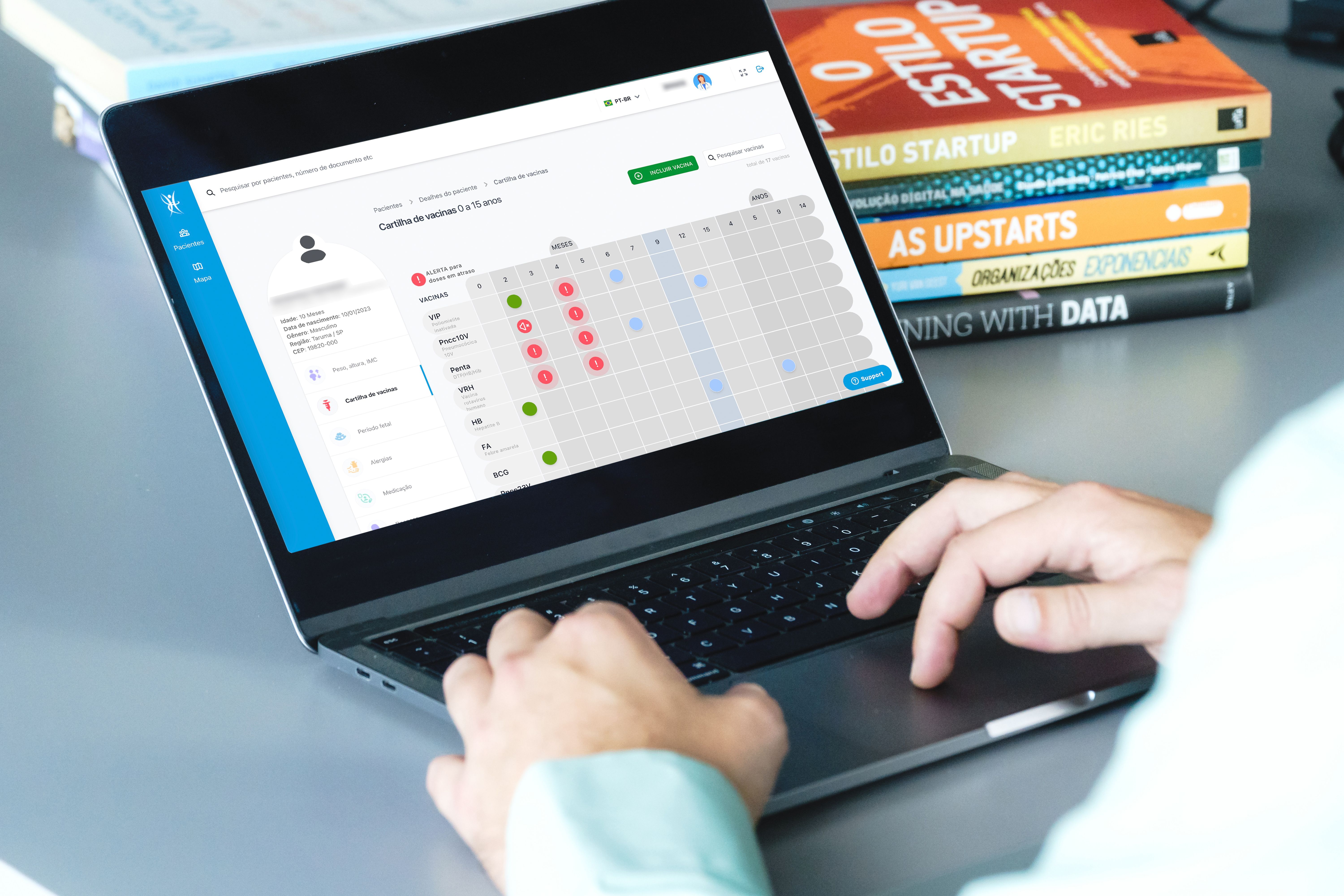
Mapping Vaccination Data for Targeted Interventions
Portal Telemedicina created a solution to compile vaccination data and generate a map that issues red alerts for children with delayed vaccines. This innovative approach also highlights regions with higher rates of delayed immunizations, providing healthcare workers and public officials with a clear and comprehensive overview. This enables swift actions to increase vaccine coverage in areas most in need.
Pilot Implementation in Tarumã
Tarumã, a city of 15,000 inhabitants in São Paulo State, was selected for the pilot implementation of this solution. Initially, Tarumã's immunization systems were fragmented by age group, lacking a cohesive view of a child's vaccination history. This made it challenging to identify children with delays in their vaccination schedules.
The open-source solution developed by Portal Telemedicina provided a holistic view of vaccination timelines, generated alerts for overdue vaccines, and included georeferencing to support proactive measures. The pilot involved 3,876 children aged 0 to 15 years, generating 3,544 alerts related to the two vaccines provided by the Previne Brasil program. Each delayed vaccine triggered a separate alert, allowing healthcare workers to identify and address multiple delays for individual children.
Within the first three months (July – September 2023), vaccine coverage in Tarumã increased from 53% to 56%. This 0.7% monthly increase indicated the potential for an 8.4% annual growth in vaccine coverage with the system.
Elvira Alice Gozze da Silva, Tarumã’s Health Secretary, described the technology as "lifting a blindfold," revealing data previously inaccessible. The system uncovered discrepancies in the municipality’s vaccination records, identifying children who had received vaccines but were not recorded in the digital system.
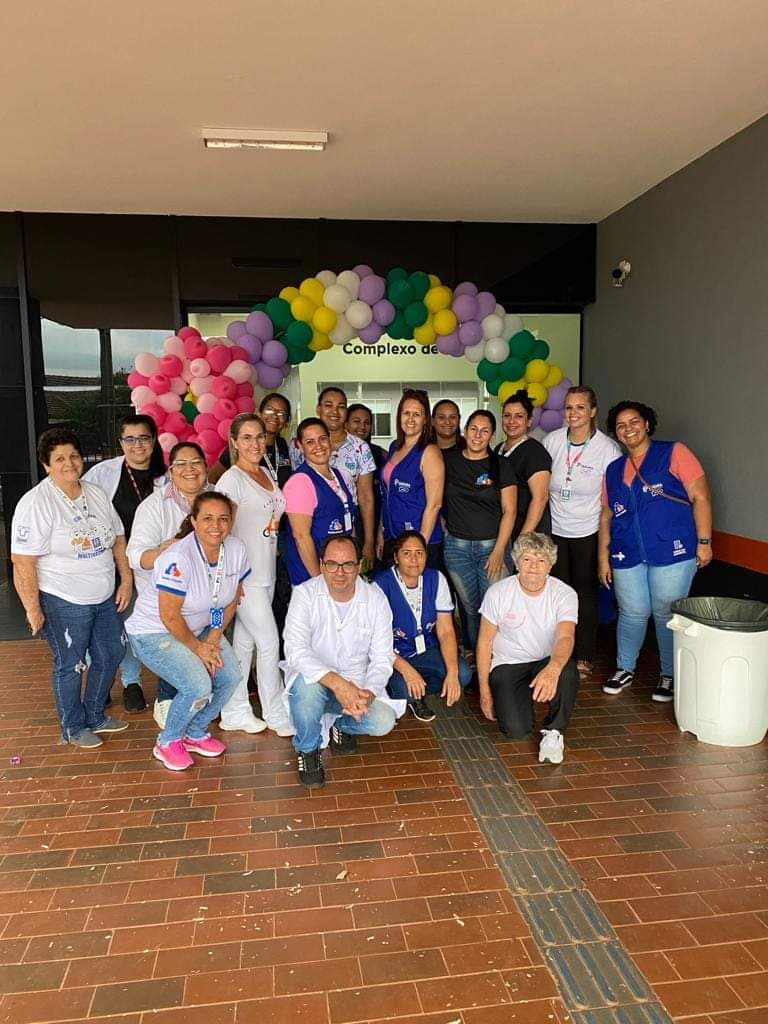
With these insights, the municipality launched a major vaccination campaign in October. The event, which featured a joyful parade, was a resounding success, attracting over 500 children. The strategic use of data allowed the municipality to target the most critical areas and address logistical challenges, such as scheduling vaccinations on weekends to accommodate working parents.
In five months, the city was able to move from 53% coverage to 100% coverage. This pilot was used to show the potential of collaboration to other governors seeking digital health solutions.
Scaling Success: From Pilot to Partnership with Piauí
Building on the success in Tarumã, Portal Telemedicina also ran a pilot in Piripiri, Piauí. This six-month pilot aimed to integrate healthcare facilities, reduce long waiting times (previously averaging 200 days), and improve overall access to healthcare. The pilot's success led to a national bid, enabling Portal Telemedicina to scale the project from Piripiri to 23 additional cities by October 2023. Portal Telemedicine is now expanding to serve the majority of Piauí (222 cities out of 224 are planned as part of the Piauí Digital Health Program). 3 million residents are estimated to benefit from unrestricted access to digital health services.
The state of Piauí, currently below the Ministry of Health's recommended vaccination rates, particularly for poliomyelitis and MMR D2, will now benefit from Portal Telemedicina’s platform. The childhood vaccination module is part of the Piauí Digital Health Program, which aims to strengthen primary healthcare and increase the number of available doctors.
Ongoing discussions are determining the timeline and extent of child vaccination campaigns throughout Piauí, marking a significant step towards improving health outcomes and vaccine coverage in the region.
Portal Telemedicina’s innovative solutions are transforming public health interventions, showcasing the power of technology and data in addressing critical healthcare challenges and improving child immunization rates.

Related Stories


