
Neural Labs Africa Leverages AI to Revolutionize Medical Imaging

What are you most proud of?
During the investment period, our crowning achievement was the successful conduction of clinical trials in both Kenya and Senegal. These trials enabled us to assess key performance indicators of our MVP, such as its sensitivity and specificity scores. This not only validated our solution's efficacy but also its relevance to our target markets.
Tell us more about your solution.
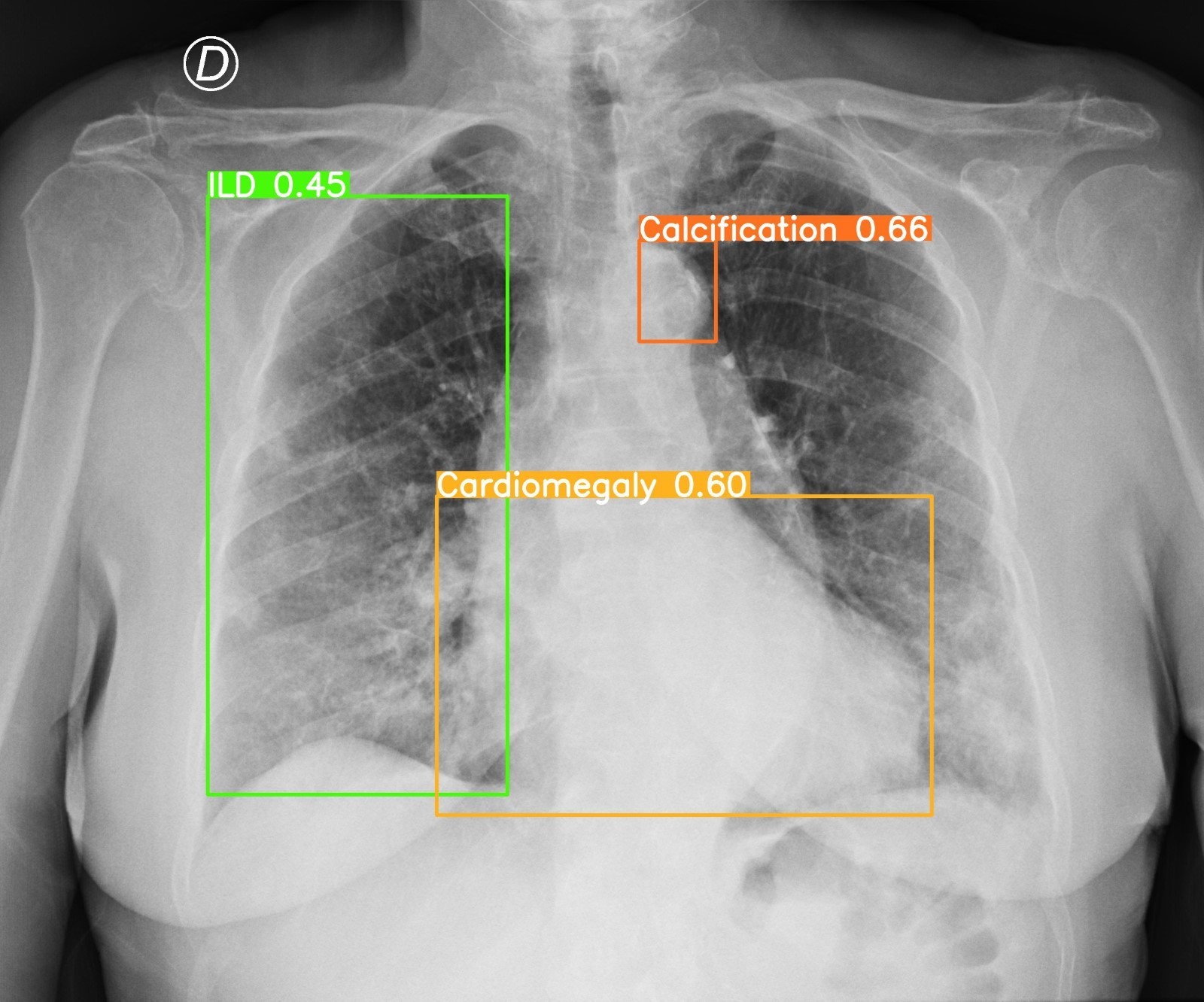
As we enter the next phase, we see our solution NeuralSight making the most impact in regions that are technologically emerging and have limited access to emerging technology solutions. From a social technology and impact standpoint, our focus remains on bridging the technological gap in healthcare in Africa. From a business perspective, we believe that catering to untapped markets will offer sustainable growth and opportunities to scale.
Why does what you are building matter for children?
A solution in medical image screening using AI matters for children because it can lead to better health outcomes and improve their quality of life. Medical image screening involves analysing medical images, such as X-rays and MRIs, to detect and diagnose various medical conditions.
Children may be particularly vulnerable to certain medical conditions, such as congenital heart defects or developmental disorders, which can be detected through medical image screening. However, accurately identifying these conditions can be challenging, and traditional methods of image analysis may be time-consuming and prone to human error.
Our technology has the potential to improve the accuracy and efficiency of these diagnoses, enabling earlier detection and treatment of medical conditions in children. This can lead to better health outcomes, reduced healthcare costs, and improved quality of life for children and their families.
Furthermore, children may be less cooperative during medical procedures, making it more challenging to obtain high-quality medical images. Our technology can help to compensate for these challenges, enabling accurate diagnosis even with lower quality images. Overall, medical image screening using AI can have significant benefits for children's health and well-being, making it an important area of research and development.

Tell us more about prototyping.
The prototyping process was iterative and feedback-driven. Our initial prototype was a basic solution with limited features. As we garnered feedback, we incorporated it into our design, enhancing the system's efficiency and user-friendliness. This iterative process resulted in our current MVP, which successfully underwent trials.
How did you engage in user testing?
One of our most memorable tests occurred in a remote village in Kenya. Access to our solution reduced the patient's wait time to receive lab results. This moment solidified the importance and impact of our work. The key lesson was the realization of the vast potential of our tool in regions with limited medical resources.

What value has Open Source brought to your solution?
Being Open Source has facilitated collaborations, garnered valuable feedback from a wider community, and hastened our improvement cycles. A specific example was when an independent developer identified a minor flaw and suggested a fix, which we incorporated promptly.
How has your business model evolved?
Our business strategy has evolved from solely being a solution provider to building partnerships with local healthcare institutions. One of our biggest achievements in this area was securing a partnership with a renowned hospital chain in Senegal. As we progress, we envision more such collaborations and a subscription-based model for sustained growth.
What are your biggest challenges at present?
Our biggest anticipated challenges are navigating different regulatory environments, ensuring data security, and adapting our solutions to cater to diverse regional needs.
Who are you looking to connect or collaborate with in the future?
We're keen on collaborating with telemedicine platforms, regional healthcare providers, and AI research institutions. Their domain expertise can complement our offerings and expedite our market penetration.
What's next for Neural Labs?
We plan to provide automated image screening for more complex imaging modalities such as CT scans, MRIs, and ultrasounds.
Interested to learn more about Neural Labs? Visit their website, or follow on LinkedIn, Facebook, Instagram, and Twitter.
Stories by this author
Cleaning Up the Future: How INS is Using AI to Detect and Monitor Waste
Read StoryRelated Stories


