
Correlating school connectivity's impact on education and employability: Jobzi's journey with the Venture Fund

Introduction
Jobzi graduated from the AI & Data Science Cohort for Learning and Health (2022-23). Read more about their journey developing a tool to predict school connectivity and analyze its impact on employability.
Overview
Founded in Brazil, Jobzi leverages cutting-edge AI technology and data intelligence to address critical gaps in the job and education market. Supported by the UNICEF Venture Fund and advised by GIGA, Jobzi has developed a tool to predict school connectivity and analyze its impact on employability.
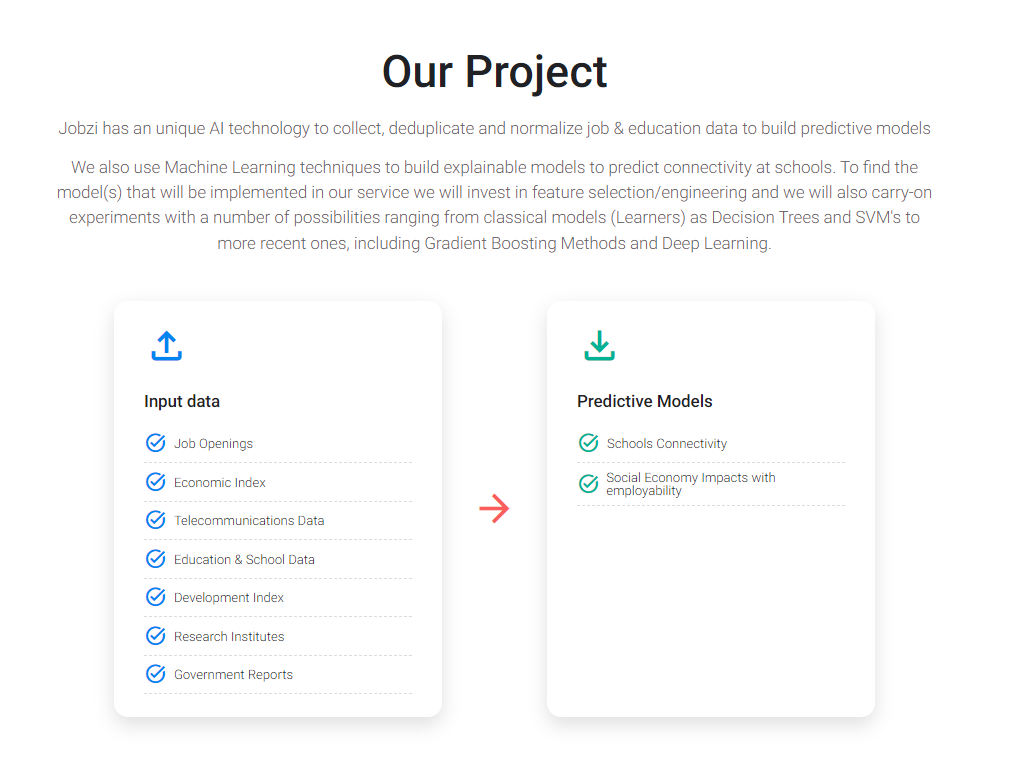
Project Challenge
Jobzi’s journey began with a challenge to bridge the gap between job supply and demand by utilizing AI and data intelligence. Jobzi aimed to create a tool that could predict internet connectivity at schools and assess its impact on employability, ultimately helping policymakers and educators make informed decisions about how they deploy resources in different regions of Brazil.
Solution Progress
1. Connectivity Map Explorer
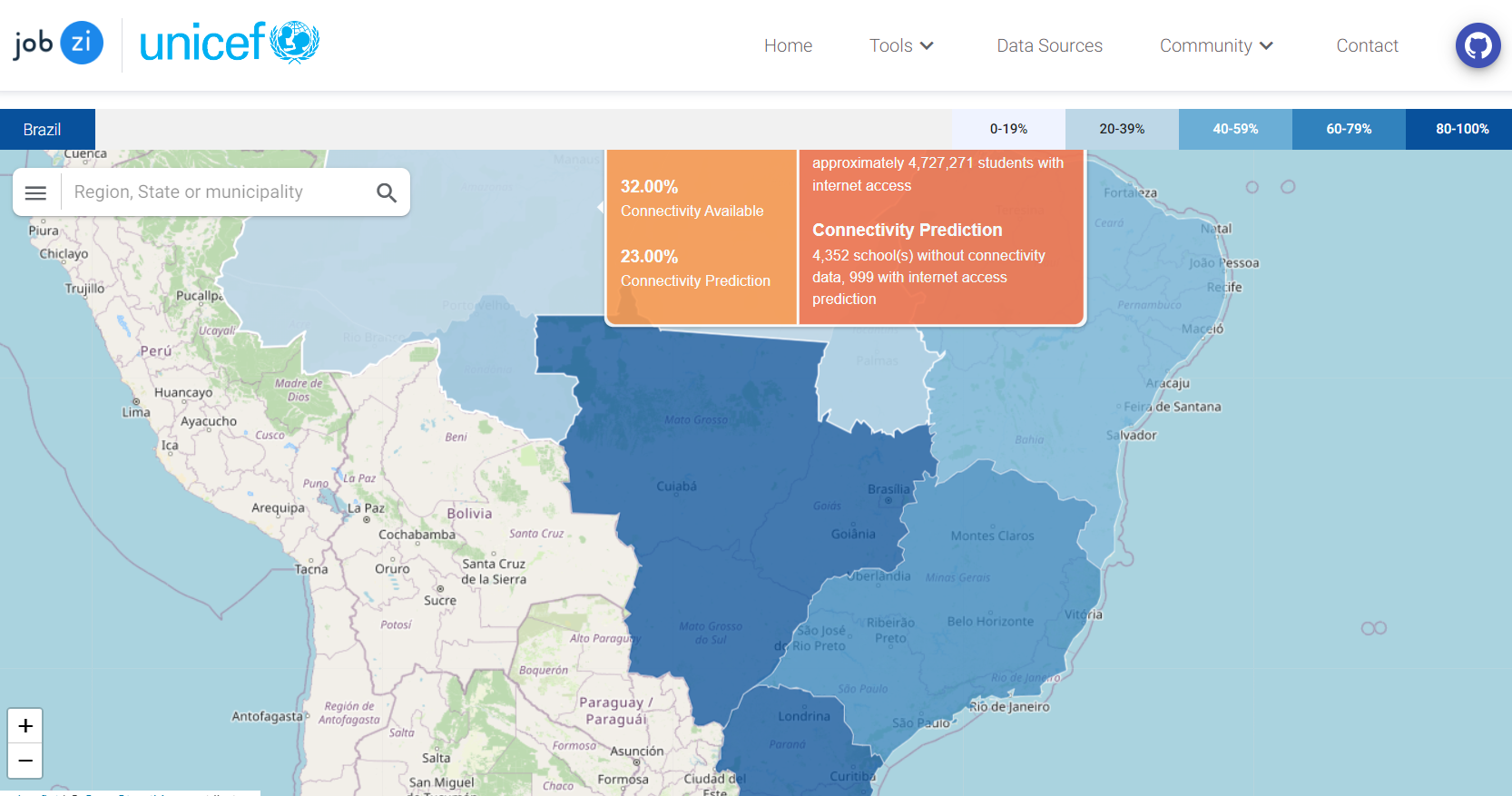
The first major development by Jobzi is an Internet Availability Predictor. This tool is designed to estimate the likelihood of schools having reliable internet access, particularly in regions where such information is sparse. Using demographic and geographic data provided by users, the AI model predicts internet connectivity, thereby enabling policymakers to plan and allocate resources more effectively.
How It Works
The Internet Availability Predictor employs a Tree-based binary classifier, trained on data from schools with known internet access. By implementing a cross-validation strategy, Jobzi fine-tunes the model’s hyperparameters to achieve optimal predictions. The service processes input data from schools and their geographic localities, training the model to provide accurate connectivity predictions and model accuracy.
2. Employability Impact Analysis
The second innovation is an Employability Impact Analysis tool, which measures the effect of internet access on employment rates and job opportunities. By comparing municipalities with varying levels of school internet access, the tool helps stakeholders understand the critical role of connectivity in enhancing students' future employability.
Methodology
This analysis uses a control and treatment group approach, representing cities with minor and significant changes in connectivity. By examining historical data on employability and school connectivity, the tool analyzes how these indicators have evolved over time. The service outputs an overall and best-case scenario of employability impacts, providing valuable insights for policy formulation. 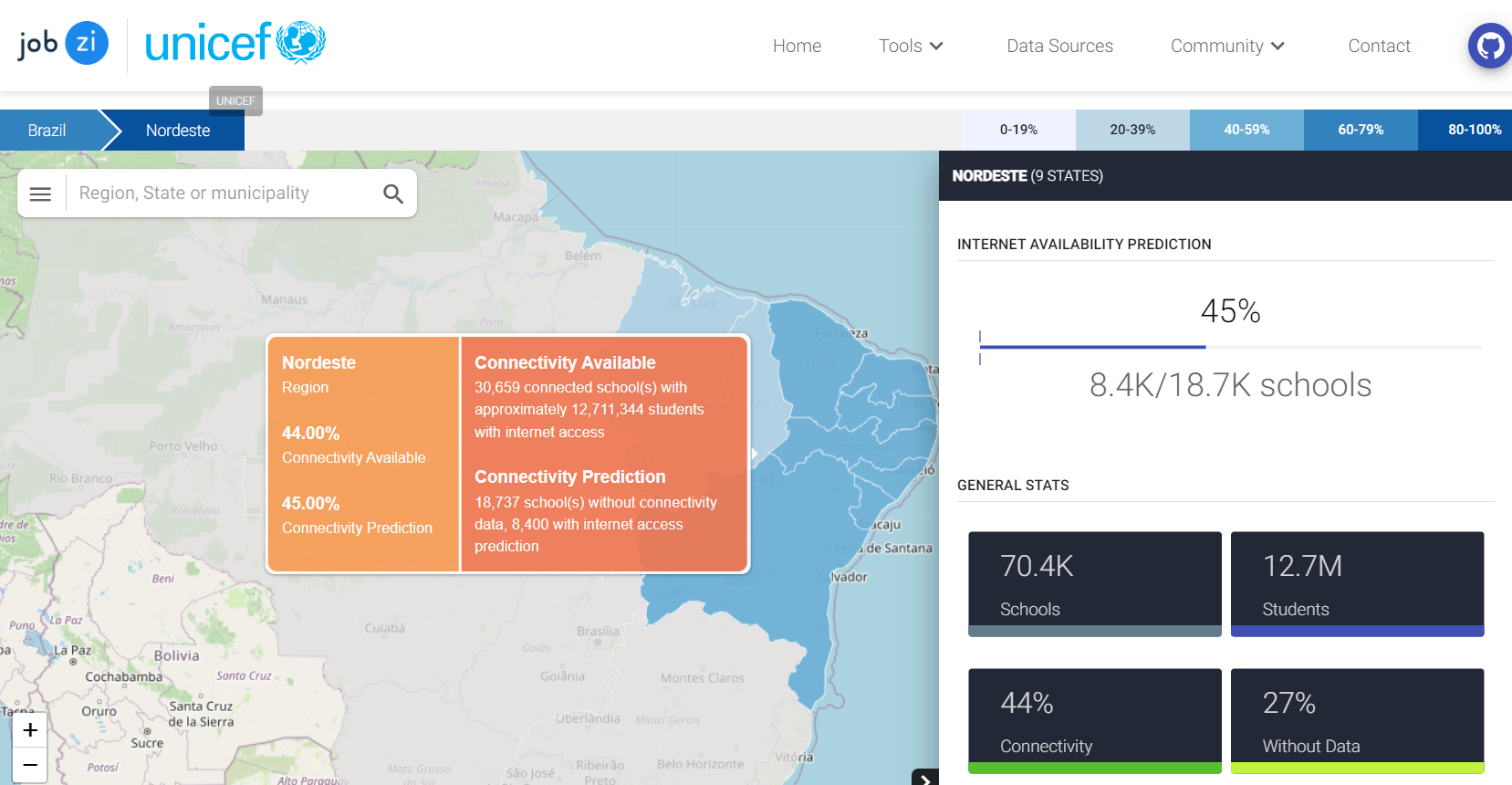
Solution Features
Central to Jobzi’s offering is the Connectivity Map Explorer, an interactive tool that visualizes school connectivity predictions and educational performance across Brazil. Users can explore the map to see detailed predictions and performance metrics, download data, execute models, and visualize results. This feature empowers users to make data-driven decisions and understand regional disparities in connectivity and education.
The data analysis tool allows users to download data, execute models, visualize the results/analysis and also download them.
Overlal, the Jobzi web tool offers a seamless user experience, allowing users to select their desired service, upload data, and receive custom model outputs. The tool validates the data, builds a context-specific model, and presents an overview of the results. Users can download both the raw results and initial insights for further analysis, making it a versatile solution for various stakeholders. 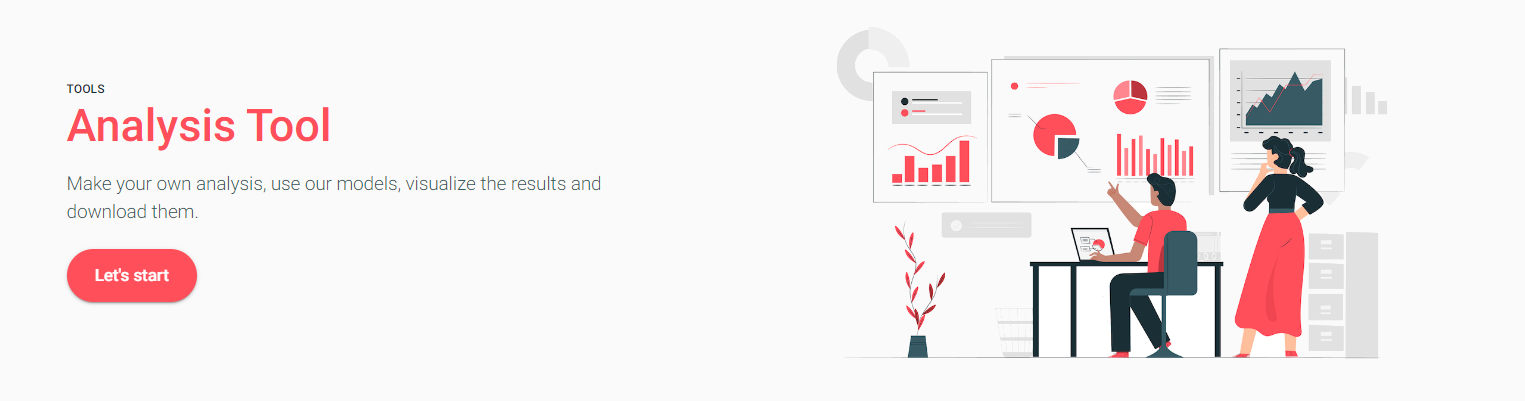
Data Sources and Integration
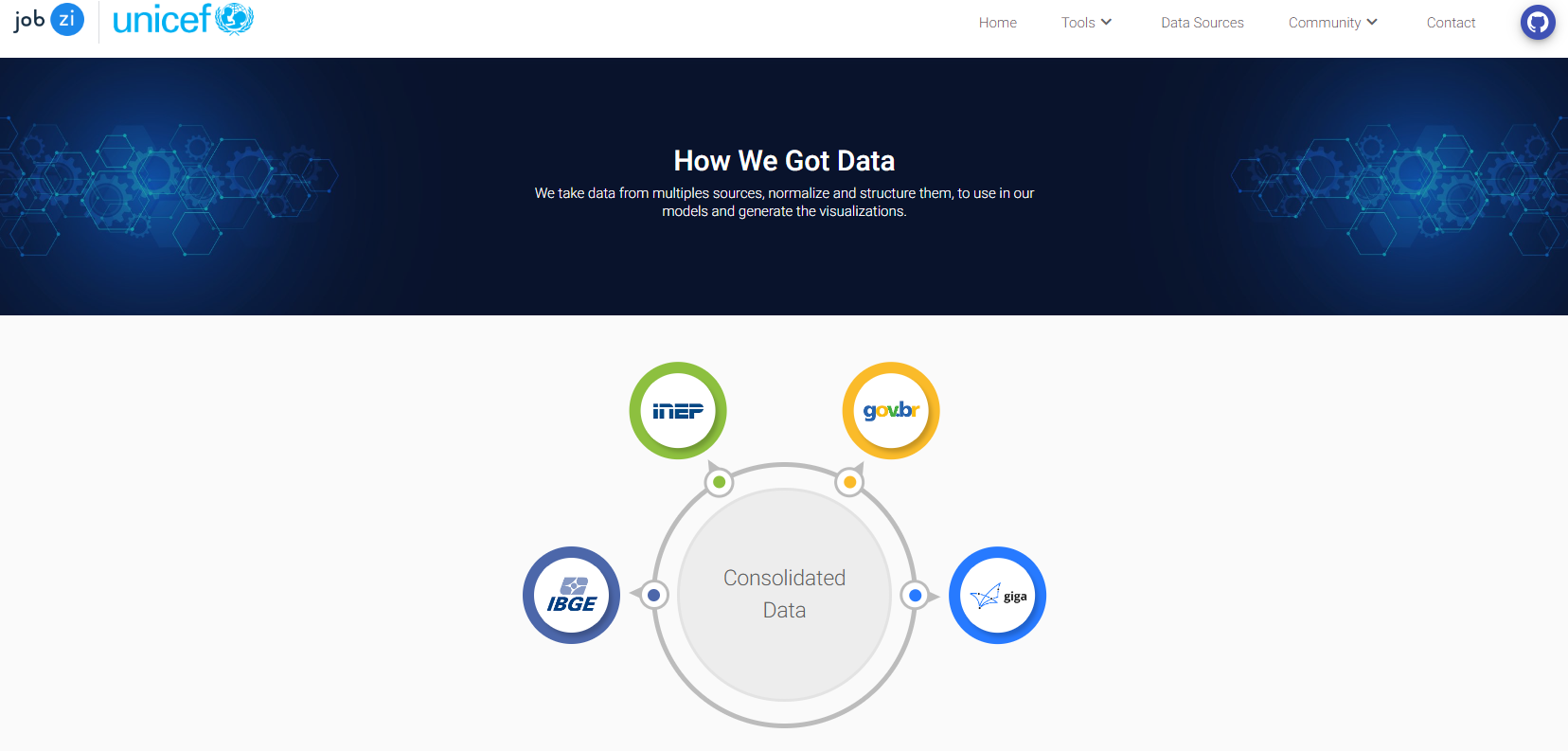
Jobzi’s models and visualizations rely on diverse data sources, ensuring comprehensive and accurate analyses:
IBGE (Brazilian Institute of Geography and Statistics
INEP
Brazil Government
UNICEF GIGA
Conclusion
By predicting school connectivity and analyzing its impact on employability, Jobzi seeks to empower policymakers, educators, and other stakeholders to make informed decisions that promote equitable opportunities for all.
To explore the Jobzi tool, visit https://unicef.jobzi.com/
Related Stories


