
Cleaning Up the Future: How INS is Using AI to Detect and Monitor Waste
Cleaning Up the Future: How INS is Using AI to Detect and Monitor Waste
A Year of Growth: Developing Open-Source AI for Smarter Waste Management
In October 2024, the UNICEF Venture Fund launched its first Climate Action Cohort, selecting eight ventures to pioneer open-source, frontier tech solutions addressing climate challenges. Among these was Intelligent Network Solutions (INS), a privately owned technology corporation established in 2007 that solves its clients’ business problems and challenges, by bringing together global expertise, innovation and creativity to produce technology solutions. The company has offices in six countries globally. INS Albania received investment from the Venture Fund to build an open-source solution leveraging AI and Machine Learning to detect illegal waste landfills while monitoring changes in legal landfills. Through its investment, the Venture Fund sought to learn how the resulting open source IP has potential to support UNICEF priorities on waste management. The underlying frontier technology can also be used for alternate programmatic purposes.
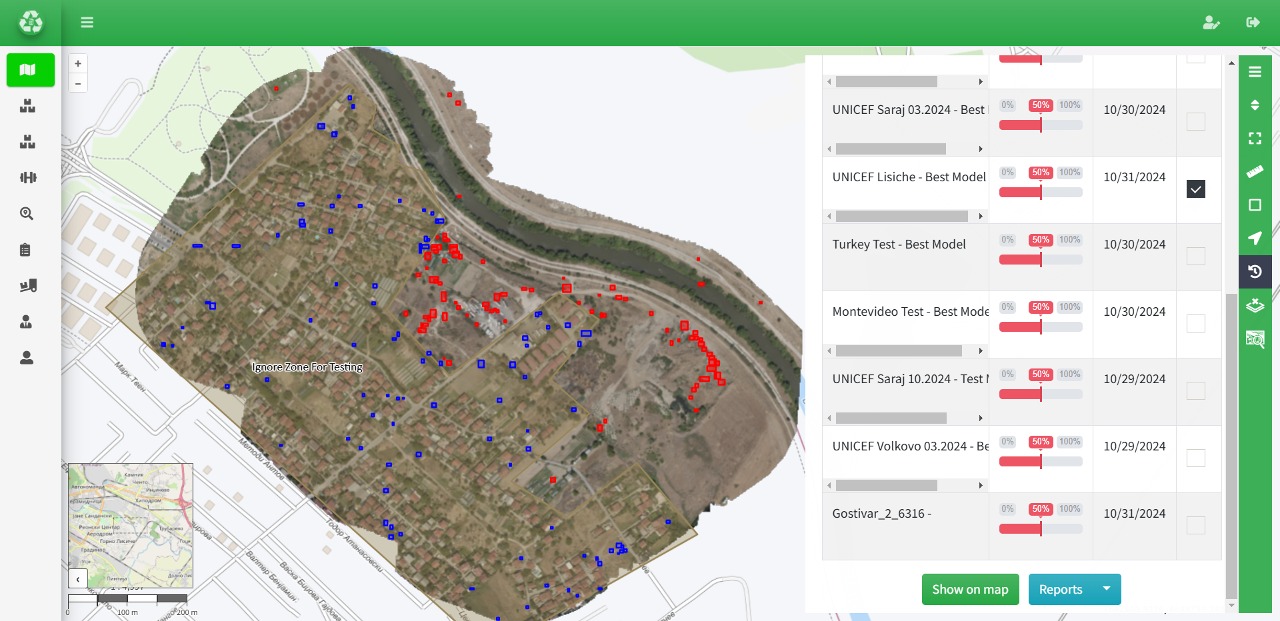
INS addresses the pressing issue of improper waste management, including the proliferation of illegal dump sites and the inefficiencies in managing legal landfills. To tackle this, the team developed an open-source web-based tool that leverages AI-driven photogrammetry and drone-based monitoring to simplify detection, tracking, and reporting. This approach empowers non-technical users to use advanced technology seamlessly while fostering transparency and accountability in waste management. The solution focuses on two key areas:
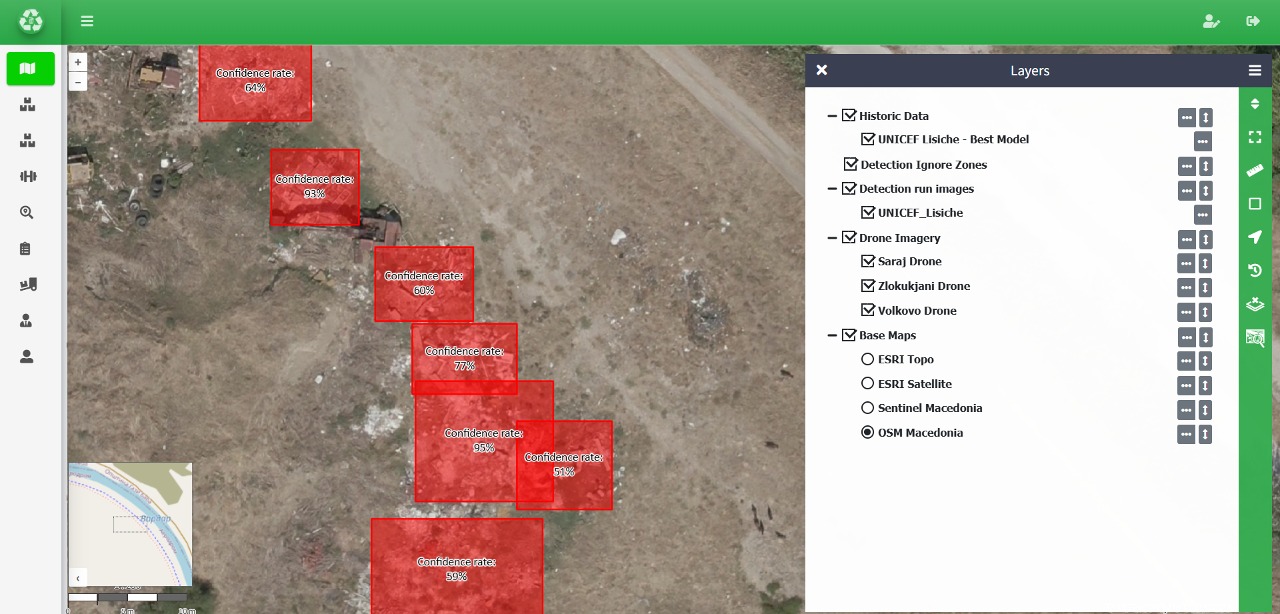
- Illegal Dump Site Detection: Using AI-powered computer vision to identify and geolocate illegal waste sites through high-resolution satellite or drone imagery.
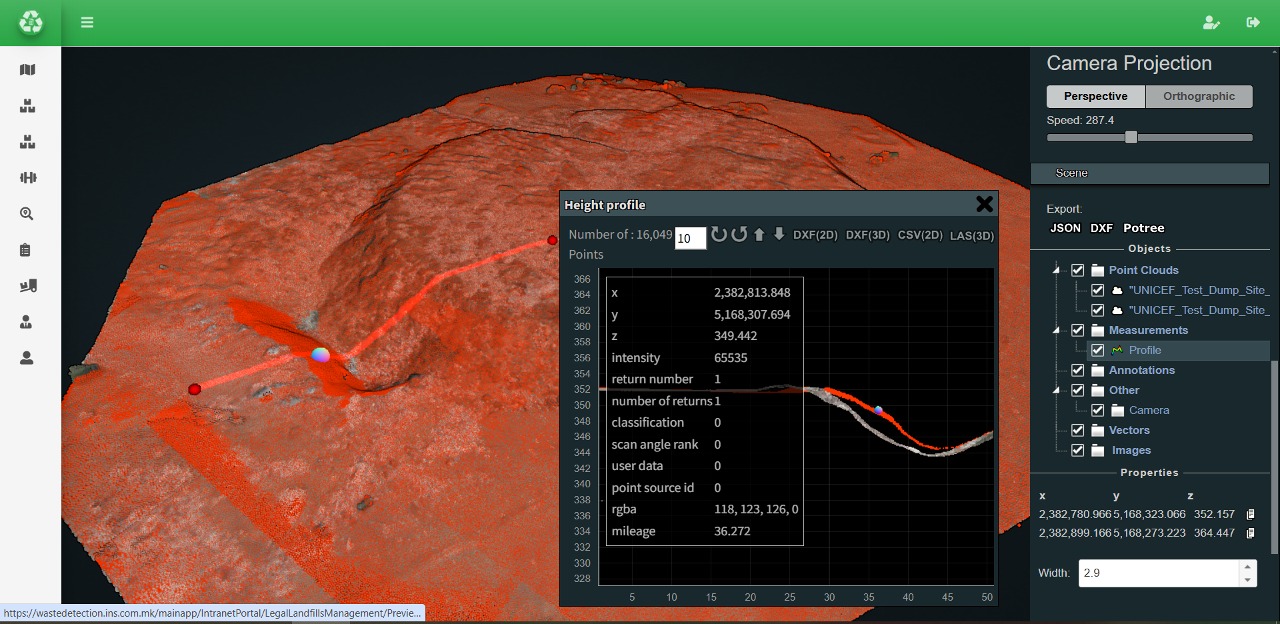
- Legal Landfill Monitoring: Providing tools for waste input tracking, 3D visualization using drone-generated point clouds, and temporal analysis to improve landfill operations.
In this interview with the INS team, they reflect on their journey over the last year developing their solution.
What was your biggest achievement over the last year?
The creation of our open-source solution, powered by computer vision-driven AI, represents a major breakthrough for our team. Not only is it our inaugural venture into open-source development, but it also showcases our successful integration of state-of-the-art AI technologies.
This achievement is a culmination of our team's dedication to embracing new challenges, exploring uncharted technical territories, and learning from experiences. From mastering the nuances of open-source development to deciphering the intricacies of computer vision algorithms, every step of this journey has demonstrated our relentless pursuit of growth and innovation.
Where will your solution have the greatest impact in the next phase, and why?
We anticipate our solution to have the most impact in regions with urban areas and large populations, such as cities in Asia, Africa, and Latin America, where waste management infrastructure is often inadequate, leading to a higher incidence of illegal dumping.
Additionally, developing countries or areas with limited financial resources can benefit significantly from our open-source solution, which can be easily adopted and adapted to address illegal dumping issues. Environmental activists will find our tool particularly useful for monitoring and comparing illegal dumping, enabling them to pressure local governments for sustainable solutions.
Through partnerships with waste management companies, government agencies, and environmental organizations, we aim to create revenue streams while maintaining our open-source model.
Can you describe your prototyping process and how your solution evolved over time?
We started with a rudimentary proof of concept (POC) that was designed to detect waste using Sentinel satellite imagery. Our initial tests showed that we could utilize the free imagery from the Sentinel mission and put it to good use.
Over the next few months, we realized we could achieve better results with high-resolution drones and satellite imagery. Our focus shifted to providing a reliable method for detecting waste and dump sites. During this phase, we encountered platform and hardware dependencies and pivoted from using Orfeo ToolBox to employing new AI models.
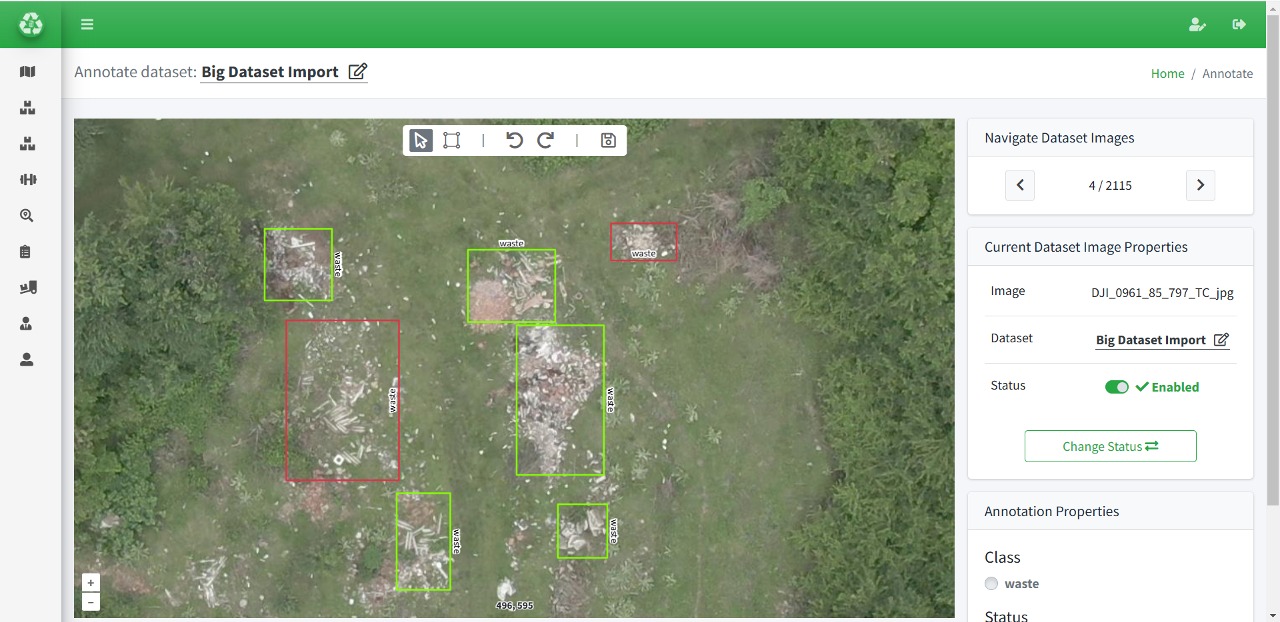
After extensive research, we selected the Faster R-CNN model, which required us to significantly change the backend and expand our workload. We also created a comprehensive training dataset that we made open source. By including more team members, we managed to overcome the increased workload and improve the solution’s precision and usability.
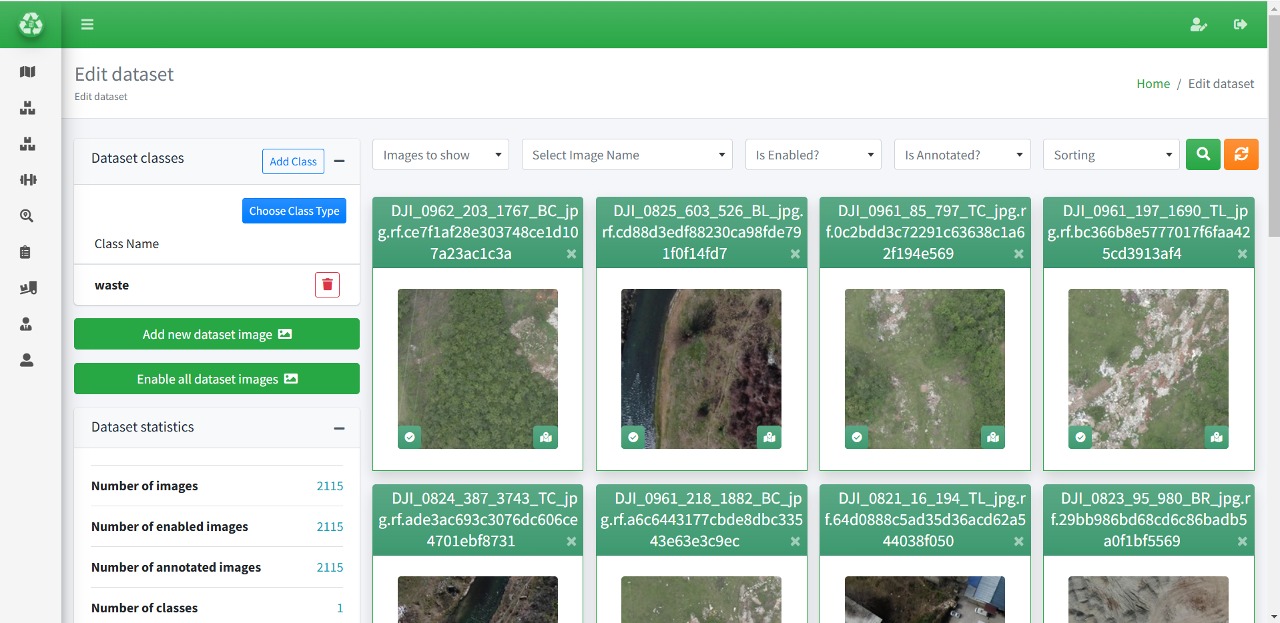
We have not yet tested the prototype with end users yet but are currently working towards an agreement for pilot implementation with a municipality and a governmental institution.
Can you share a memorable user or field test and the key lessons you learned?
A memorable test involved our onboarding screen. Initially, it included technical information we needed to onboard clients and inverters. However, during testing, a user remarked, “I have no idea what some of this information means!” This feedback prompted us to simplify the screen by removing technical jargon and creating detailed guides for each inverter, making it easier for users to provide the required data.
How has being Open Source benefited your solution and your company? Can you provide specific examples?
While we are still in the early stages of this solution, having an open-source platform enhances our company’s portfolio and makes it more attractive to potential collaborators and IT professionals working on similar projects. We believe this exposure will lead to beneficial partnerships in the near future.
On a broader scale, this project has positively influenced our team, inspiring them to contribute to other open-source initiatives and fostering a culture of collaboration and fulfillment. These experiences underscore the value of community involvement and teamwork.
How has your business model and strategy evolved over the past year, and what are your biggest achievements and growth plans for the next year?
The functionalities of our platform provide a solid foundation for our business development efforts. In this last quarter of the project, we began pursuing agreements with potential clients. If successful, we plan to reinvest funds to cover operational costs and support new clients. With each new client, our revenue volume increases, allowing us to further develop our solution.
Who are the key collaborators you’re seeking, and how can they add value to your business?
Our business development strategy involves direct sales through established channels and outreach to similar clients, including central government bodies (e.g., ministries of environment), local municipalities, and global NGOs invested in climate change and ecology.
Our open-source platform will be available for free, but we will offer consultancy, deployment, data acquisition and processing, training, and other services. These collaborations will enable us to create production-level setups for clients, empowering them to independently utilize the platform for their analyses.
Where are the biggest obstacles/challenges you think your company will need to address or work around?
The adoption of our platform hinges on the willingness of stakeholders to digitalize current waste management procedures. We must raise awareness among governmental and waste management circles about the importance of addressing these issues while finding ways to overcome external influences that may impede the adoption of digital solutions.
While we are confident in our platform’s technical capabilities, achieving widespread acceptance will require persistent advocacy and collaboration.
What are you most excited about for your company next year, and what are your main goals?
As planned, our primary focus at the end of 2024 will be on business development efforts with identified leads such as the City of Tirana, the City of Skopje, and Macedonia’s Ministry of Environment. Our goal is to secure agreements for deploying the platform in 2025. Once agreements are reached, we will initiate deployment and data acquisition from February to May 2025, followed by ongoing support through the end of the year.
Additionally, we aim to explore opportunities with UNICEF and UNDP offices in Albania and Macedonia to scale our solution further.
How has the UNICEF Venture Fund supported your solution beyond financing?
One of the key ingredients to our success was the guidance and support we received from mentors. Their expertise proved invaluable in helping us navigate challenges and make informed technical and strategic decisions. Without their support, we might have missed deadlines or made suboptimal decisions.
We are deeply grateful for UNICEF’s support, which enabled us to work with seasoned professionals and gain valuable insights.
Stories by this author
Similie: Developing Open-Source Machine Learning Models to Transform Early Warning Systems and Forecast Climate Risks
Read StoryRelated Stories


