
Transforming Eye Care for Children: Eyebou's Journey with UNICEF's AI & Data Science Cohort
What have you developed throughout the investment period?
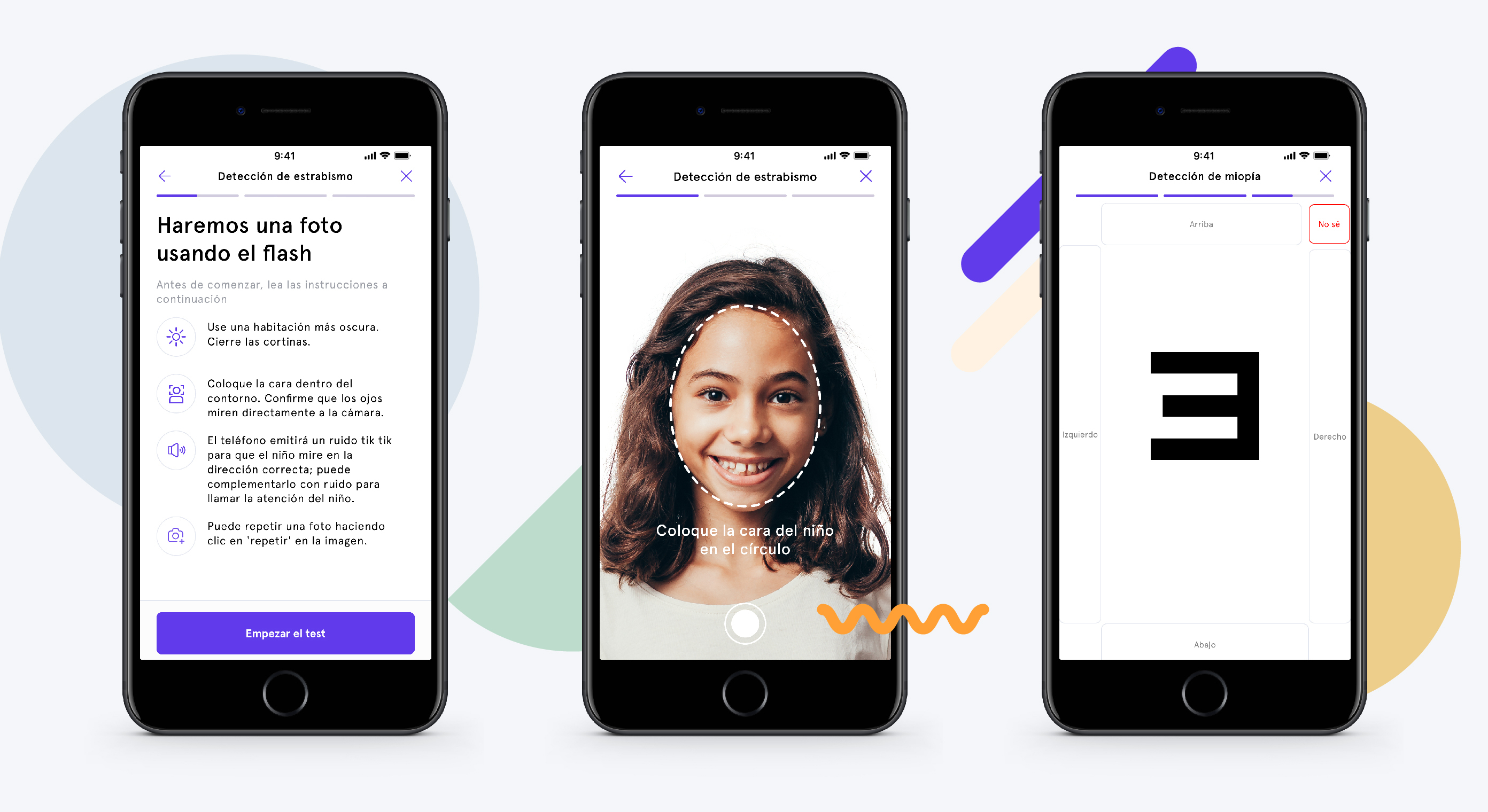
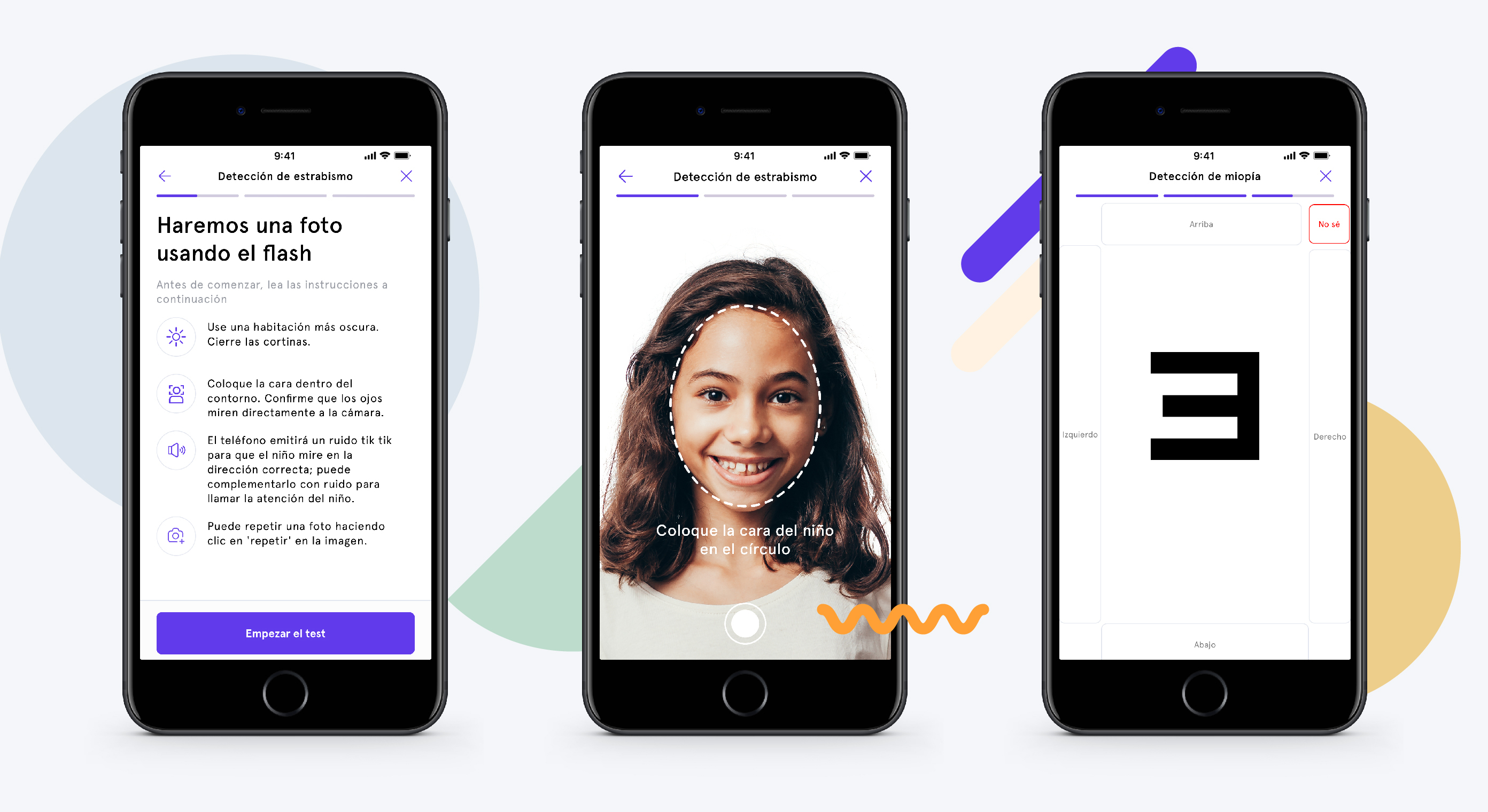
Our dedicated team has successfully developed cutting-edge technology that allows us to remotely screen individuals' eyes and determine whether they require additional assessment. Leveraging advanced computer vision techniques and smartphone devices, we've crafted a system that can analyze key indicators of eye health from a distance. Furthermore, we've integrated an artificial intelligence model that empowers opticians to remotely diagnose potential issues, providing invaluable insights and recommendations. This transformative blend of technology not only enhances accessibility to eye care but also revolutionizes the traditional optometry model by enabling swift, accurate, and remote assessments, marking a significant stride towards a more inclusive and efficient healthcare future.
Describe your solution.
From a geographic standpoint, our innovative solution is poised to make the most significant impact in regions with limited access to comprehensive eye care services. Rural and underserved areas, where access to optometrists and ophthalmologists may be restricted, stand to benefit immensely from our remote eye screening technology and AI-assisted diagnosis. The social impact of our solution is profound, as it addresses healthcare disparities, ensuring that individuals in remote or economically disadvantaged communities can receive timely and accurate eye assessments, potentially preventing more serious eye conditions.
Moreover, from a technological and social impact perspective, our solution contributes to the democratization of healthcare by harnessing advanced technologies to bridge gaps in accessibility. By integrating artificial intelligence into the optometry field, we empower healthcare professionals to provide remote diagnoses, reducing the burden on overloaded healthcare systems and making eye care more scalable and available to a broader population.
On the business front, our solution holds promising prospects for telehealth and digital health providers. The scalability and efficiency of remote eye screening can lead to new business models and partnerships, fostering growth opportunities in the rapidly evolving telemedicine landscape. Additionally, the potential cost savings associated with early detection and prevention of eye conditions may attract interest from insurance providers, aligning our solution with evolving trends in value-based healthcare.
Prototyping.
The development of our remote eye screening solution involved an iterative and collaborative prototyping process, encompassing several key phases to refine and enhance its capabilities.
1. Conceptualization and Design: The journey began with a comprehensive understanding of the problem at hand – limited access to eye care. We conceptualized a solution that combined hardware and software components for remote eye screening and AI-driven diagnosis. Initial design sketches and low-fidelity prototypes helped visualize the key features and functionalities.
2. Proof of Concept (PoC): The first version focused on developing a proof of concept to validate the feasibility of remote eye screening. This involved creating a basic prototype for capturing eye data remotely and a rudimentary algorithm to process the captured images. The goal was to establish that the core technology could detect key indicators of eye health.
3. Iterative Testing and Feedback: Subsequent versions underwent rigorous testing and received feedback from optometrists, ophthalmologists, and potential end-users. This iterative feedback loop allowed us to refine both the hardware and software components based on real-world insights, ensuring that the solution aligned with the needs of the healthcare professionals and the patients.
4. Integration of Artificial Intelligence: As we progressed, the incorporation of AI became a pivotal aspect of our solution. The AI model was initially trained on a diverse dataset to recognize a spectrum of eye conditions. Iterative versions fine-tuned the model's accuracy and expanded its diagnostic capabilities, ensuring it could effectively assist opticians in remote assessments.
5. Scalability and User Interface Refinement: To enhance user experience and scalability, subsequent versions focused on refining the user interface of the software platform. We worked on optimizing the solution to be scalable across different devices and screen sizes, ensuring accessibility for both professionals and patients.
6. Compliance and Security: As healthcare technology demands adherence to strict standards and regulations, subsequent versions included robust security measures and compliance features to safeguard patient data and ensure adherence to privacy regulations.
7. Field Testing and Validation: The final iterations involved extensive field testing in real-world scenarios, collaborating with healthcare providers for live implementations. This stage allowed us to validate the solution's efficacy, identify any unforeseen challenges, and make final refinements before widespread deployment.
Throughout this prototyping journey, each version built upon the lessons learned from the previous one, incorporating feedback, addressing challenges, and aligning with the evolving landscape of telehealth and digital health technologies. This iterative approach was essential in creating a robust, user-friendly, and impactful solution for remote eye screening and diagnosis.
User/Field testing.
One of the most memorable tests during the development of our remote eye screening solution involved a pilot implementation in a rural community with limited access to eye care services via SOS Children’s Villages for children in the social care system. We collaborated with this local organization to bring our technology to individuals who otherwise faced challenges in affording a traditional eye clinic.
Picking up vision issues in children, some of whom may not have understood why they couldn’t see their books or classroom board clearly and being able to help them receive glasses was truly rewarding.
Key lessons learned from this test included the importance of adaptability in diverse environments, the need for community engagement and education about the benefits of remote eye screening, and the significance of building partnerships with local healthcare providers. It emphasized the human aspect of healthcare technology development, reminding our team of the real and positive impact our solution could have on individuals' lives.
Additionally, this test reinforced the importance of ongoing collaboration with healthcare professionals. The insights gained from their experiences in the field were invaluable for refining our solution to better suit the diverse needs of patients and healthcare providers.
Open Source.
The decision to make our solution open source has brought about several notable benefits for both our technology and the company as a whole.
Community Collaboration and Innovation: By open sourcing our solution, we have invited a diverse community of developers, researchers, and healthcare professionals to collaborate on its development. This has led to a wealth of ideas and contributions that we might not have considered internally. The collective intelligence of the open-source community has accelerated innovation, resulting in continuous improvements to the technology.
Talent Attraction and Retention: Being open source can enhance the company's reputation and appeal to developers and professionals who are passionate about contributing to meaningful projects. This can serve as a powerful recruitment and retention strategy, attracting individuals who align with the company's values of collaboration, innovation, and social impact.
Business Models.
We finally have a business model that works for our application. We are excited to implement this with future partners and are in discussions now about national vision screening programmes.
Challenges.
Regulatory Compliance: In the healthcare and technology sectors, compliance with regulatory standards is crucial. Staying abreast of changing regulations and ensuring that our solution adheres to data protection and healthcare privacy laws is an ongoing challenge.
Security Concerns: With sensitive health data involved, maintaining robust cybersecurity measures is paramount. Addressing potential security vulnerabilities, protecting against data breaches, and ensuring the confidentiality and integrity of patient information are constant challenges.
Financial Sustainability: Securing funding and maintaining financial sustainability is an ongoing consideration. Identifying revenue streams, exploring partnerships, and managing costs are critical for the long-term success.
Future collaborators.
We are looking to collaborate with clinics, NGOs and governments.
What is next for you?
Market Expansion: Expanding into new markets.
Partnerships and Collaborations: Forming strategic partnerships. Collaborating with other businesses and research institutions.
Financial Growth and Sustainability: Increasing revenue and managing costs effectively.
What value has being part of the UNICEF Venture Fund portfolio brought?
Mentorship and Guidance: The industry professionals have supported us hugely whilst guiding our leadership team. This has included business strategy and market positioning.
Networking Opportunities: We have made many connections via the Venture Fund and look forward to future collaborations with them.
Connect with Eyebou
Are you interested to learn more? Visit Eyebou's website, follow on Facebook, Instagram and LinkedIn, or email [email protected].
Related Stories


