
Improving Digital Literacy in Indonesia: Bookbot's Journey with UNICEF Venture Fund

What was the highlight of the investment period?
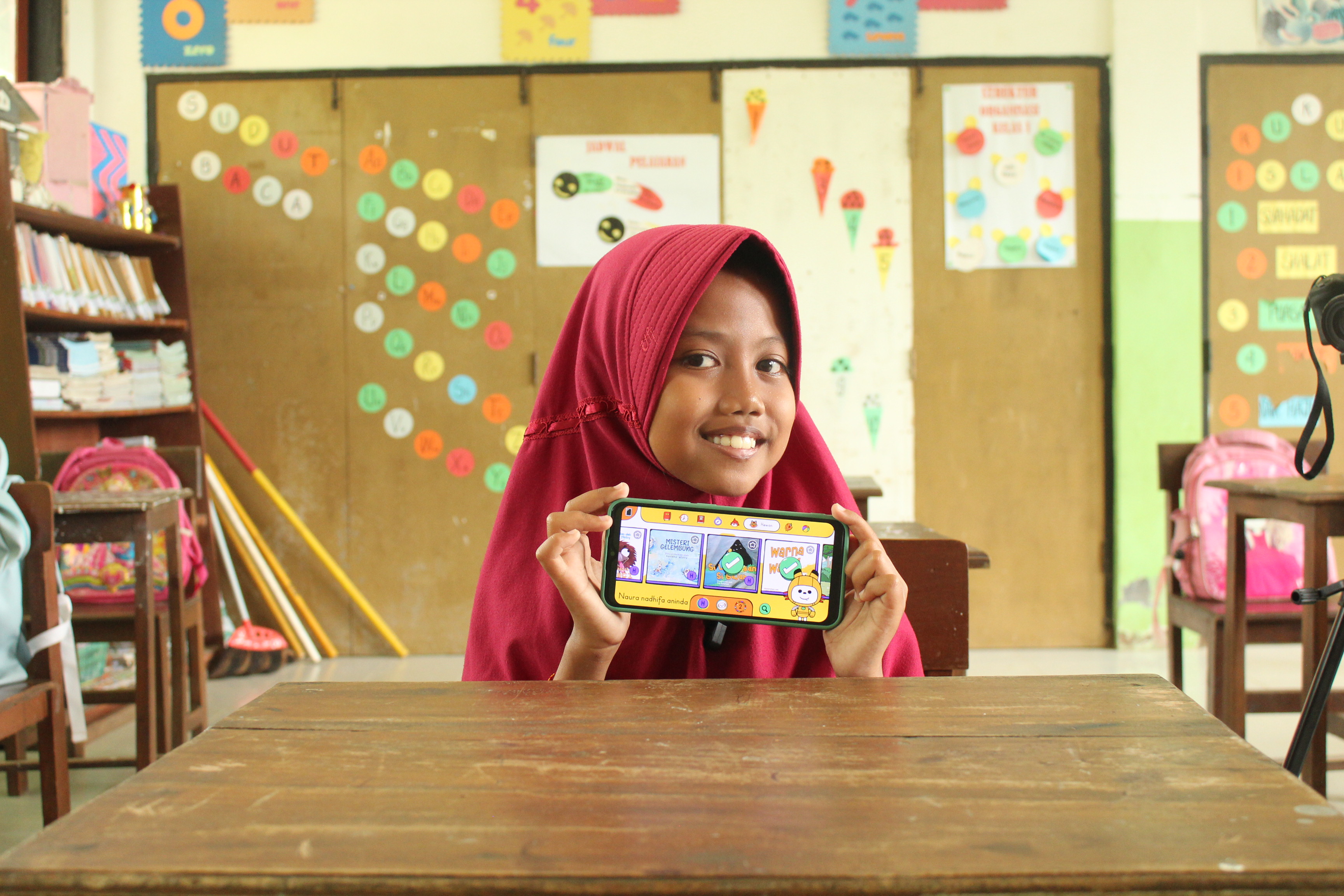
Our most notable achievement during the investment period is the positive reception of Bookbot by students and teachers, as reflected in the substantial increase in children's reading activity. The response to Bookbot, from both newly onboarded schools and the previous year's cohort, was overwhelmingly positive throughout our pilot programs. The new gamified features and the multitude of new books we have produced were particularly well-received. Our dedicated efforts in speech recognition and synthesis have proven to be rewarding.
Gearing up to the next phase, where do you see your solution having the most impact, from a geographic, social technology/social impact and business standpoint? And why?
We've made a significant impact in rural Indonesia by ensuring that Bookbot works offline, complete with thousands of books and offline speech recognition and synthesis. This is a major advancement for children in these areas who typically have limited access to books, and when available, the books are often not at their reading level. Bookbot changes that.
Can you share the process that you used to prototype your solution? What did the different versions of your solution look like and how did it change over time?
For feature development, we initiate a process that includes wireframing, designing, and sometimes creating an interactive prototype, gathering feedback from our internal team. For instance, with gamification, we tested ideas using paper prototypes with a group of children.
We then incorporate these features into the app and conduct internal testing. The most valuable feedback comes from sustained feature use and understanding functionality over larger cohorts. We gain insightful feedback from discussions with teachers in our Whatsapp group and through follow-up questions. Direct visits to schools to observe Bookbot usage and identify common issues are also part of our process. These issues are then quantified and recorded.
Next, we update the app based on this feedback and observations, prioritising friction reduction and user experience enhancement.
Overall, this process embodies our Build-Measure-Learn iterative cycle.
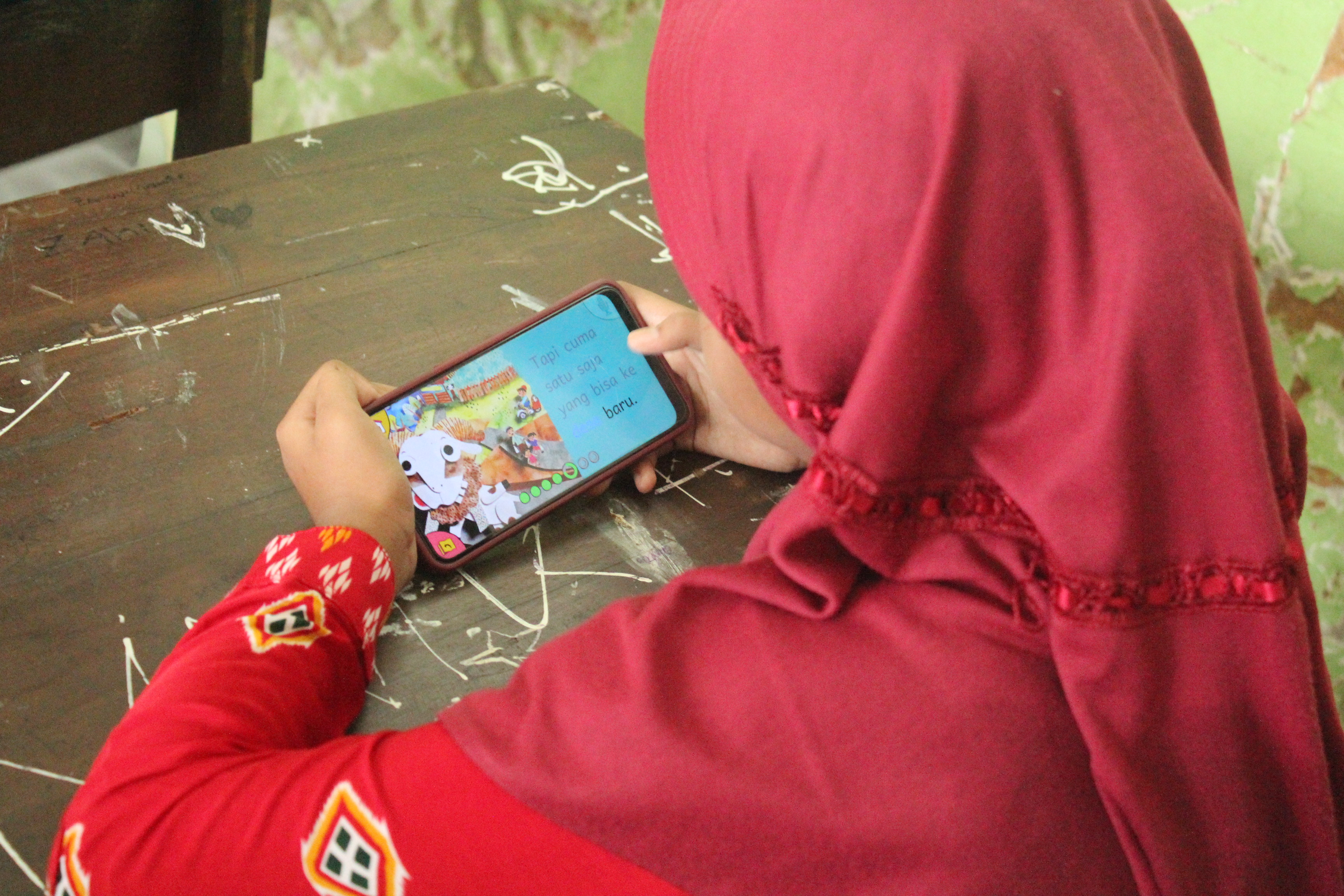
Bookbot initially had a few hundred books, a large installation footprint, basic rewards like stickers, and subpar speech recognition. Over time, we've significantly improved it. Our library now boasts around 3000 books, the app size is smaller (yet all books are still available offline), and we've incorporated full gamification and incentives. Teachers can monitor children's reading progress, every book can be read aloud to the child via speech synthesis, each word can be pronounced, and the speech recognition has been greatly enhanced.
User/Field testing. Share a story about one of your tests. What was the most memorable? Why? What key lessons did you learn from this test?
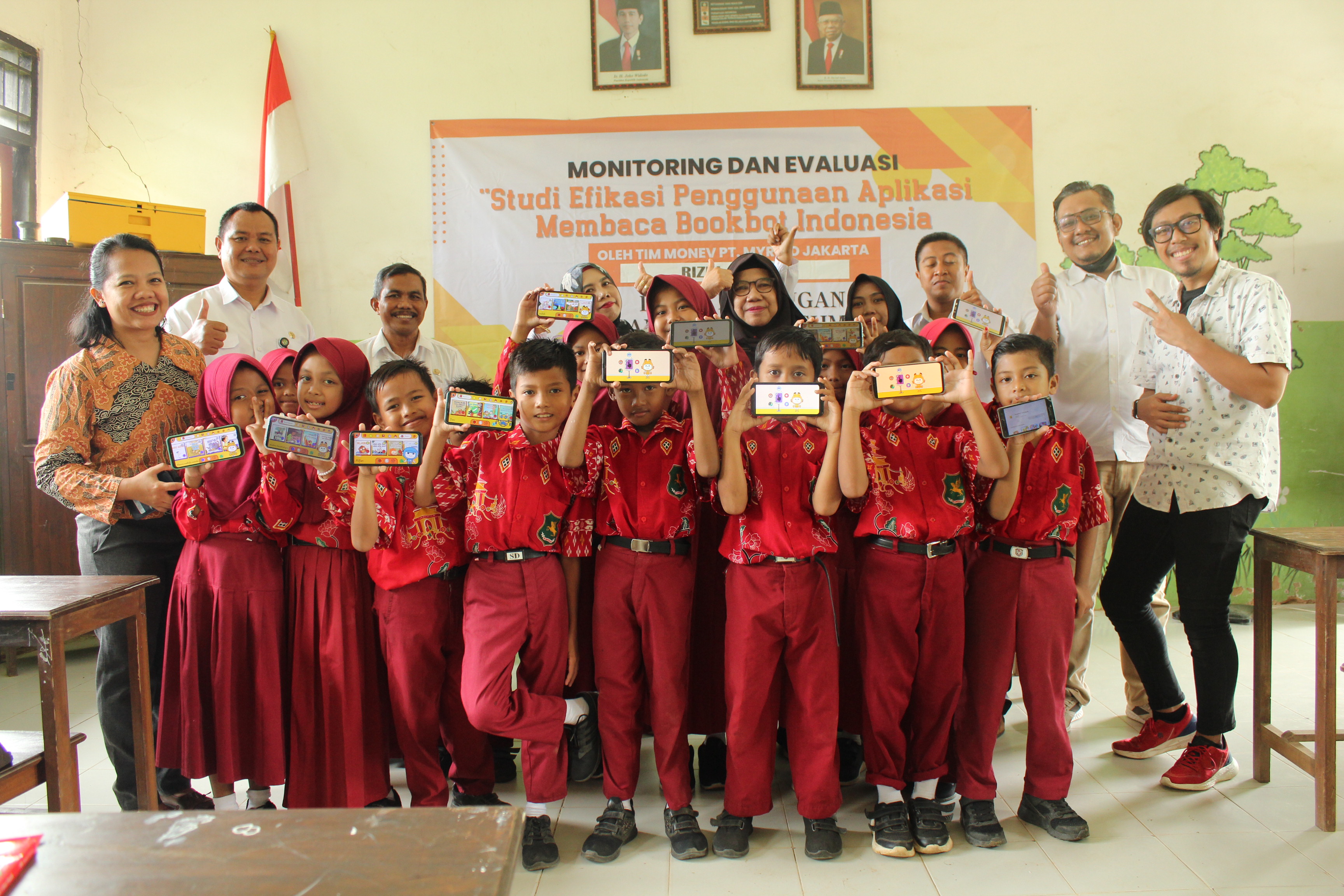
While it's challenging to pinpoint a single memorable test due to the wealth of insights gained from each observation and feedback session, a week spent visiting schools in the Sumenep province of rural Indonesia stands out. It was remarkable to witness firsthand how Bookbot was being utilized in classrooms. The most striking observation was the superior digital literacy skills of children compared to their teachers and parents, and the prevalence of technology in rural Indonesia that can be leveraged to make a significant impact on education.
How has being Open Source benefited your solution and your company? Can you cite specific examples?
Our overall experience with developing open-source software has been fantastic, in part due to the diverse mentoring sessions provided by UNICEF and the respective mentors. Sometime during the Venture Fund, we decided to completely re-design our audio labelling pipeline from scratch, and we did so with open-source practices. Although the initial setup and familiarisation process was time-consuming, it was worthwhile as the development process became much more systematic and grounded. The developers felt more control over the software that the team was writing and gained more confidence in the robustness of the software, especially when newer developers joined the project. Not only do we have an audio labelling pipeline that is working, but also one that is maintainable, readable, and extensible for future contributions.
How has your business model and strategy changed over the last 12 months? What were your biggest achievements in this area and how will your business be growing over the next year?
To date, a significant portion of our development funding has been sourced from government agencies, and we have recently secured additional funds to create a sustainability model in Indonesia. We have gained insights into how schools utilize government funds to purchase materials and software, such as Bookbot. Next year, we aim to become a registered supplier equipped with certified books.
Where are the biggest obstacles/challenges you think your company will need to address or work around?
For social enterprises, the perennial challenge lies in securing funding for projects that have high potential for impactful change, even though they may not necessarily be commercially viable.
What companies, organizations, individuals, or industry partners are you looking to collaborate with? How do you think they can add value to your growing business?
We are actively seeking partnerships with Foundations and Corporate Social Responsibility (CSR) departments across Indonesia and Asia who are passionate about making a significant impact in the crucial area of education, specifically literacy.
What are you most excited about for your company next year? What are your main goals you want to accomplish next year?
In the coming year, we aim to validate our commercial model and elevate our reading tutoring approach to enhance comprehension, critical thinking, and creative skills.
How has the UNICEF Venture Fund supported your solution? Apart from the financing you received, what other value from the Fund did you benefit from?
The mentoring has proven to be immensely valuable, providing us with a clear and insightful perspective.
Related Stories


