
Healthcare Delivery: Dronfies pilots Uruguay's First Drone Delivery Network
Dronfies Labs Reflects on Growth Investment
Dronfies Labs received bridge funding from UNICEF Venture Fund. In this blog post, the team shares reflections on how growth funding enabled the development of a new module in the existing Unmanned Traffic Management System and the launch of a drone delivery pilot in the city of Tacuarembó.
Tell us about the biggest achievement of the investment period.
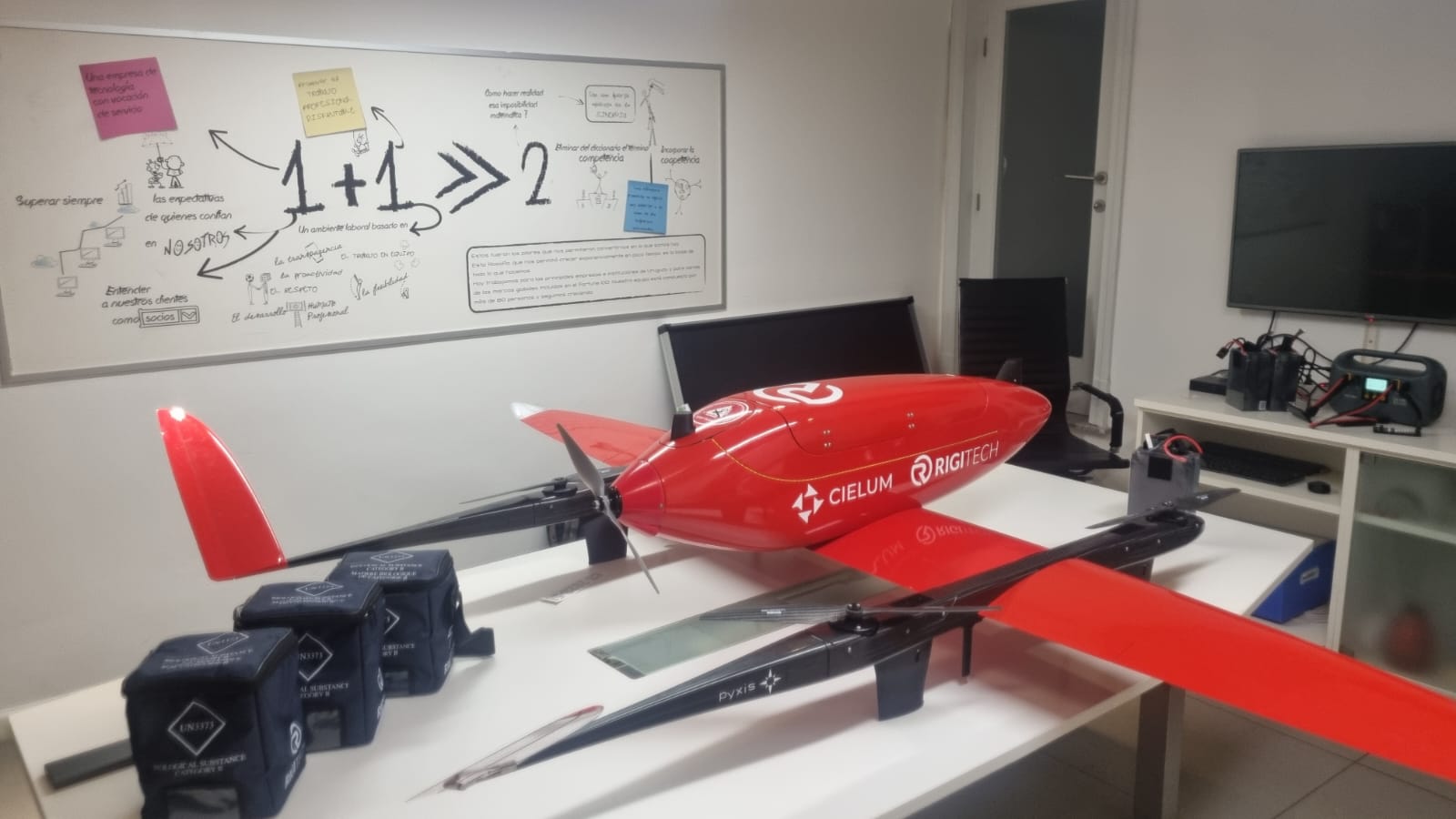
Over the past 12 months, our team was able to develop a new module that enables drone delivery operations in Cielum, our Unmanned Traffic Management System. This allows for more complex operations to be managed by the system, while remaining compliant with the airspace regulators.
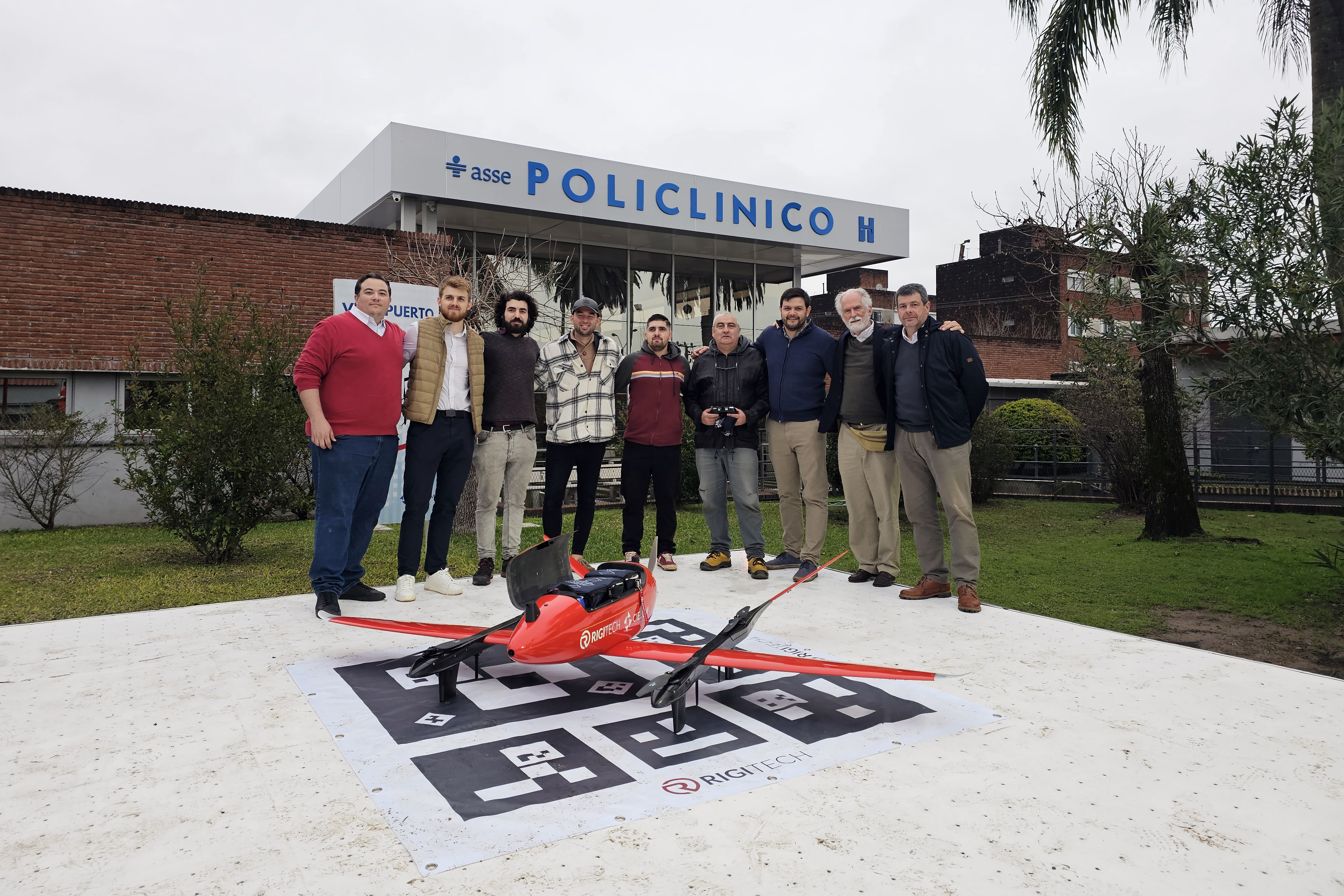
Furthermore, we pioneered Uruguay's inaugural drone delivery network, specifically designed to transport essential supplies to remote rural communities. This initiative aims to reduce the need for patients to travel to urban centers for medical exams, and it also involves the delivery of crucial support like breastmilk to mothers residing in these rural areas. Read more about the pilot's impact here.
Tell us more about the solution.
After having the drone delivery pilot in Uruguay, we see our solution being used in disconnected communities, where current road infrastructure makes delivering goods by car/motorbike a difficult task. Drone delivery emerges as an excellent and expedited alternative. Also, we have observed an interesting use in emergency response. When disasters strike, delivery by air can be the only way to access a location, and drones are much cheaper than helicopters. In Tacuarembó, Uruguay, there are many communities prone to be disconnected in flood situations, where our solution can be extremely useful.
In terms of social impact, we've noted a highly positive reception among the residents of these villages regarding the use of technology to enhance services. While we anticipated a favorable response, the actual feedback surpassed our expectations. The community's perception of the technology has been exceptionally positive, emphasizing the significant and positive influence our solution has had on their lives.
Tell us about your user testing and field experience with product usage.
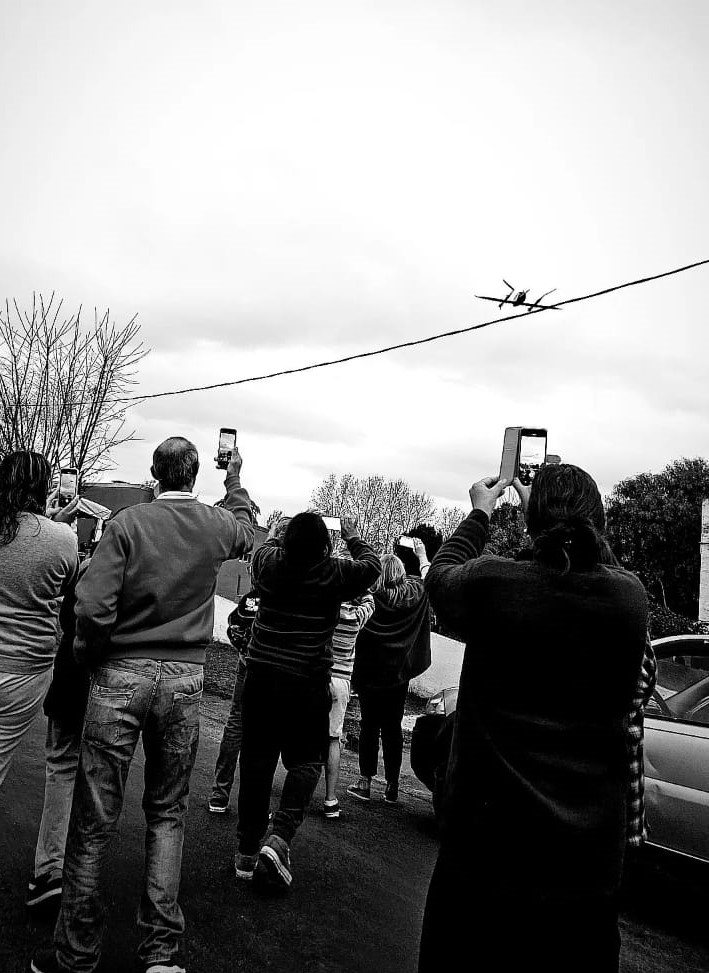
The most important test we made was on the launch of the drone delivery network, with a flight from Tambores to the city of Tacuarembó. During the inaugural flight, we transported one liter of donated breastmilk bound for the donor bank . People were waiting for the drone’s takeoff and a small crowd had gathered. When we tookoff, people were visibly emotional, and could not believe this cutting edge technology was there, in a 1,500 people community which are often forgotten and do not receive much attention.
Despite all of the hard work, business partnerships and difficulties we had to overcome, this was one of the most rewarding moments of the project.
Tell us about your business model. How has your business model and strategy changed over the last 12 months?
Even though our main focus is still on software solutions applied to drone technology, this project has allowed for us to explore the possibility to offer a turnkey solution for drone delivery networks. We have been exploring this area for some months now, especially after the launch of our drone delivery pilot in Uruguay, where we generated lots of repercussions and are now in a good position to negotiate new deals.
The biggest achievement might be running the drone delivery network successfully for the first three months and hoping to extend into a full scale network in 2024. Our plan for 2024 is to establish nearly 1500 miles of drone delivery corridors and flying at least 20 times a week. This would be done on top of the existing development in Tacuarembó.
Where are the biggest challenges you think your company will need to address or work around?
The drone industry still faces a major delay between technology and infrastructure (both digital and physical). Even though the drones exist, and the technology is available, there is still a need for clear regulations that enable complex operations and business opportunities. We believe this makes it difficult to close new contracts, as customers might feel insecure about the fact that the regulations are not completely developed, meaning operations can be launched in an experimental phase.
Nonetheless, we are continuously working on solutions that cover this gap between technology and infrastructure, as we believe the industry is mainly driven by the successful solutions of the companies that are a part of it.
What companies, organizations, individuals, or industry partners are you looking to collaborate with? How do you think they can add value to your growing business?
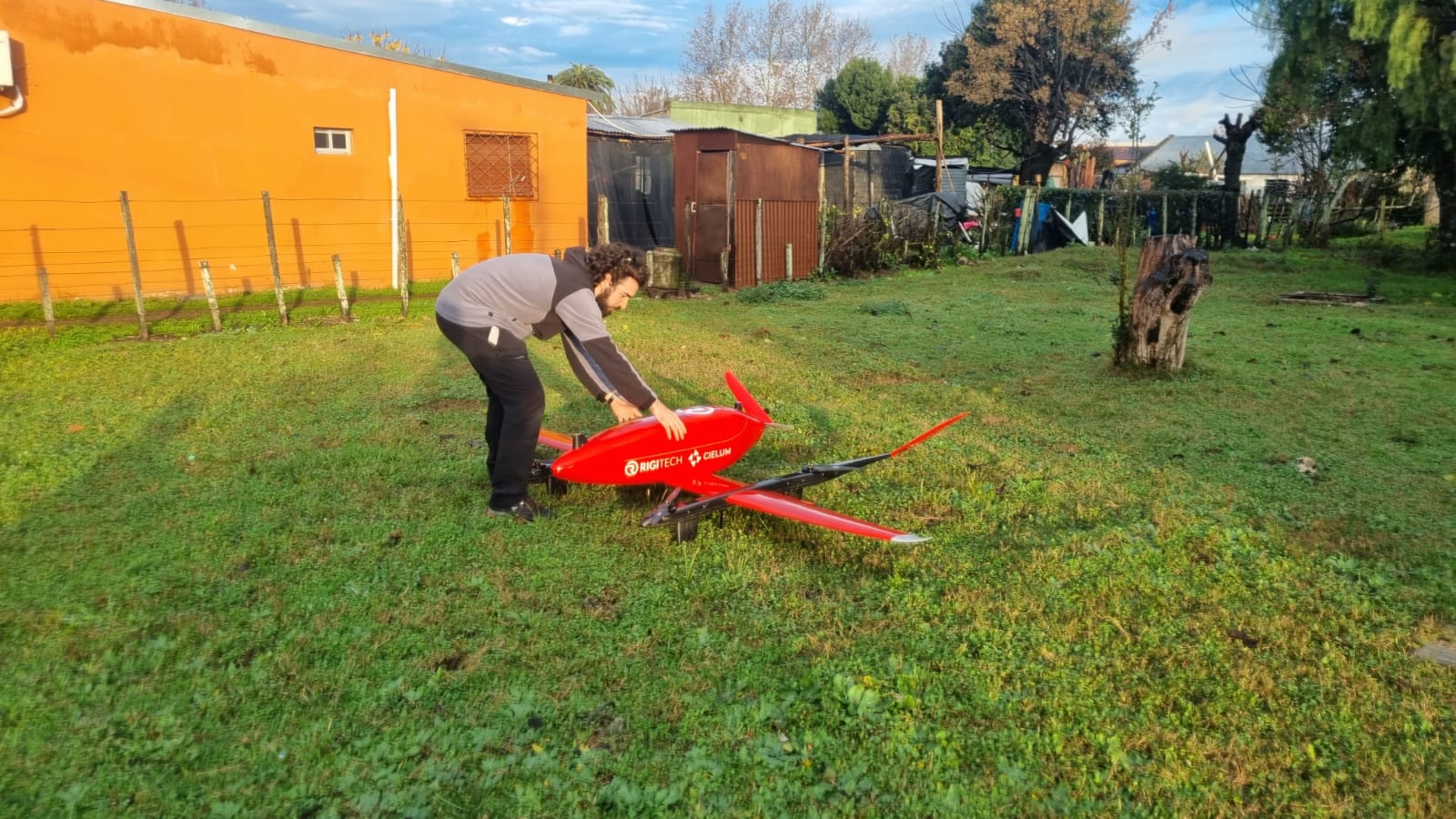
We have two sectors we are particularly interested in working together: healthcare sector and airports. Healthcare providers make a lot of sense for the type of solution we can offer at the moment. Drone delivery for medical supplies has already proven to be useful and at least competitive with traditional means of transport. On the other hand, in Uruguay there is an airport consortium, which controls all of the country’s airports, who are interested in exploring drone delivery operations for the coming years.
We have already established contact with organizations in both sectors and are hoping to close a deal into 2024. In both cases, we aim to continue flying and creating successful use cases that can later be replicated in other countries. This partners will help us create a valuable solution for future opportunities.
What are you most excited about for your company next year? What are your main goals you want to accomplish next year?
- Scaling up the Tacuarembó implementation to full scale.
- Securing a new contract for the establishment of another drone delivery network.
How has the UNICEF Venture Fund supported your solution? Apart from the financing you received, what other value from the Fund did you benefit from?
The Venture Fund not only provided crucial financial support for our project but also offered invaluable mentorship in key areas such as impact, business, and user experience. This guidance helped us refine our value proposition, and through regular meetings, we maintained alignment and focus on our goals.
The extension granted for implementing the drone delivery pilot in Uruguay marked a significant milestone, made possible by the Venture Fund’s support. This extension allowed us to impact hundreds of people, and we are enthusiastic about sustaining and expanding our operations.
The communications team proved to be a valuable resource, and their efforts in connecting us with the UNICEF local office in Uruguay hold immense value. We anticipate that this connection will pave the way for future collaborations. We are sincerely grateful for the unwavering support we have received over the past 18 months.
Stories by this author
Cleaning Up the Future: How INS is Using AI to Detect and Monitor Waste
Read StoryRelated Stories


