
Similie: Developing Open-Source Machine Learning Models to Transform Early Warning Systems and Forecast Climate Risks
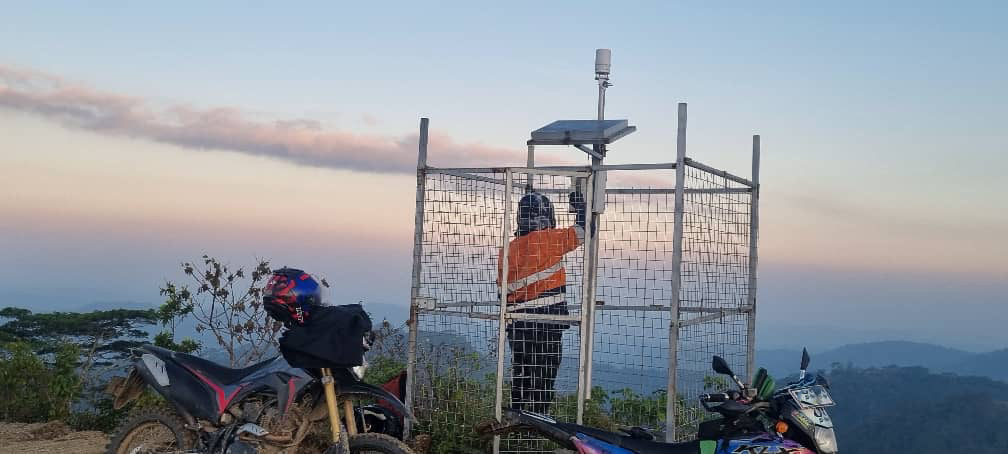
What was your biggest achievement over the last year?
A highlight has been developing an open-source machine learning model that uses locally collected data to forecast risks. This advancement enables more accurate, timely warnings, helping save lives and mitigate the impacts of climate disasters.
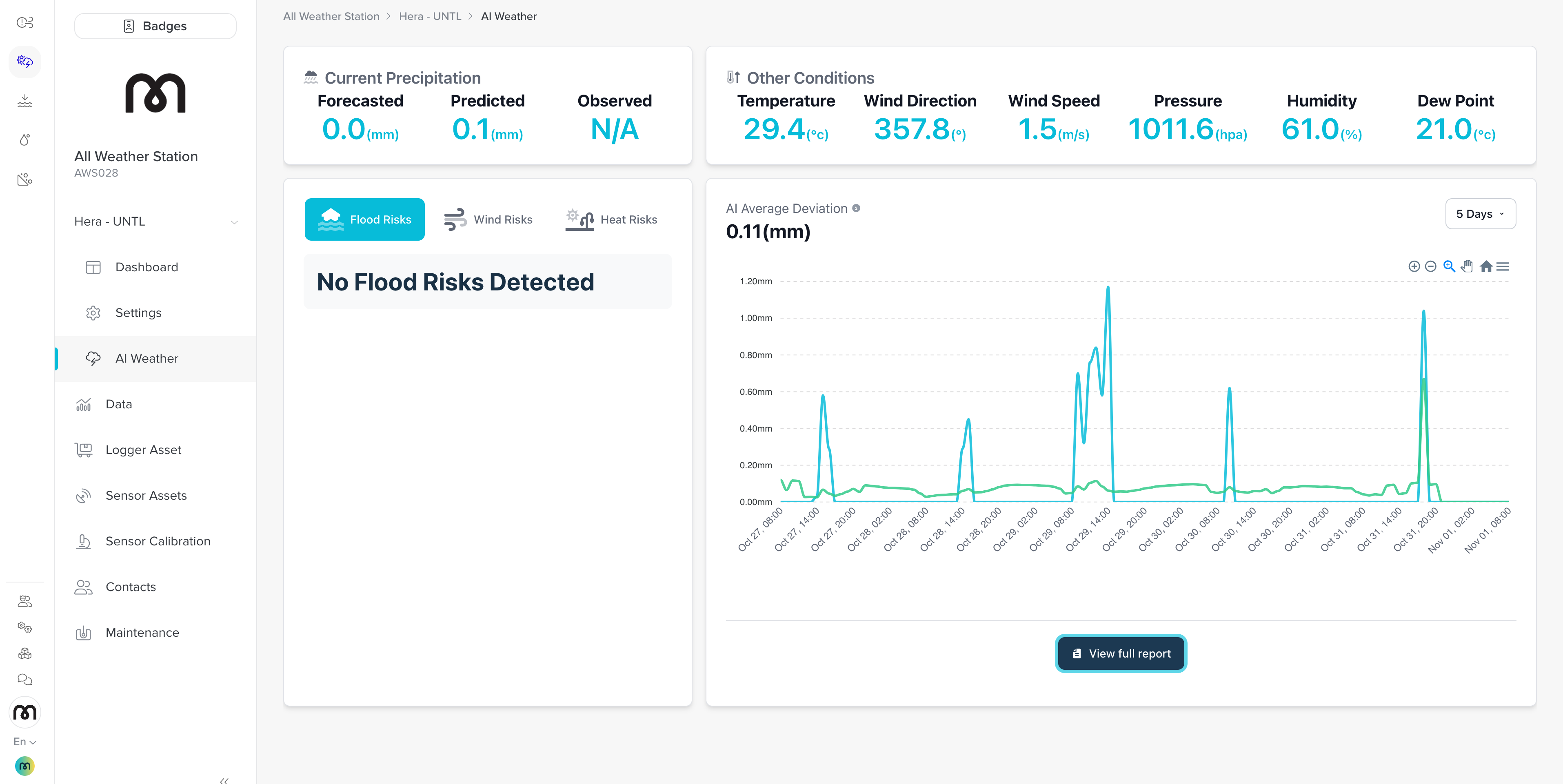
Where will your solution have the greatest impact in the next phase, and why?
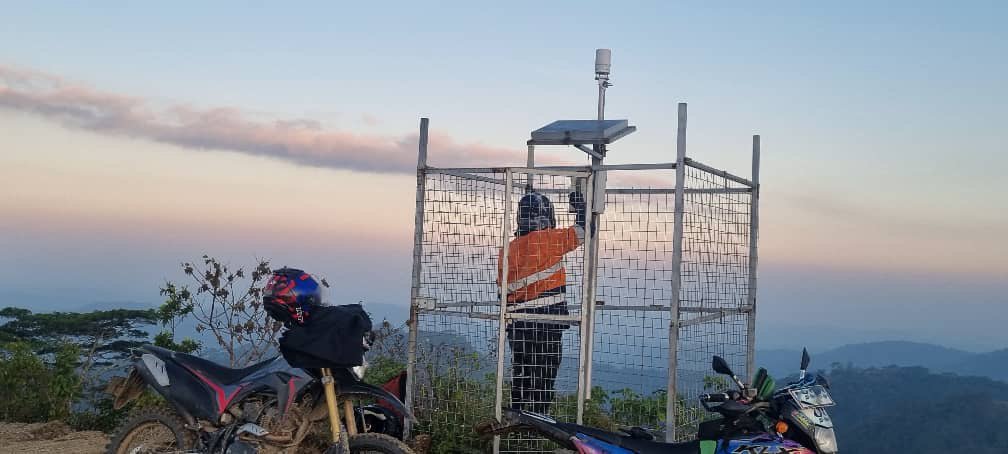
We see our early warning system making the most impact in Southeast Asia, particularly in disaster-prone regions like Indonesia, the Philippines, and Vietnam. These areas face typhoons, floods, and landslides, where timely warnings can save lives and reduce economic losses. Pilots in Timor-Leste showed how early warnings enabled safe evacuations. Over the next year, we’ll focus on partnering with local governments, scaling our production, and expanding operations to drive meaningful change in these regions.
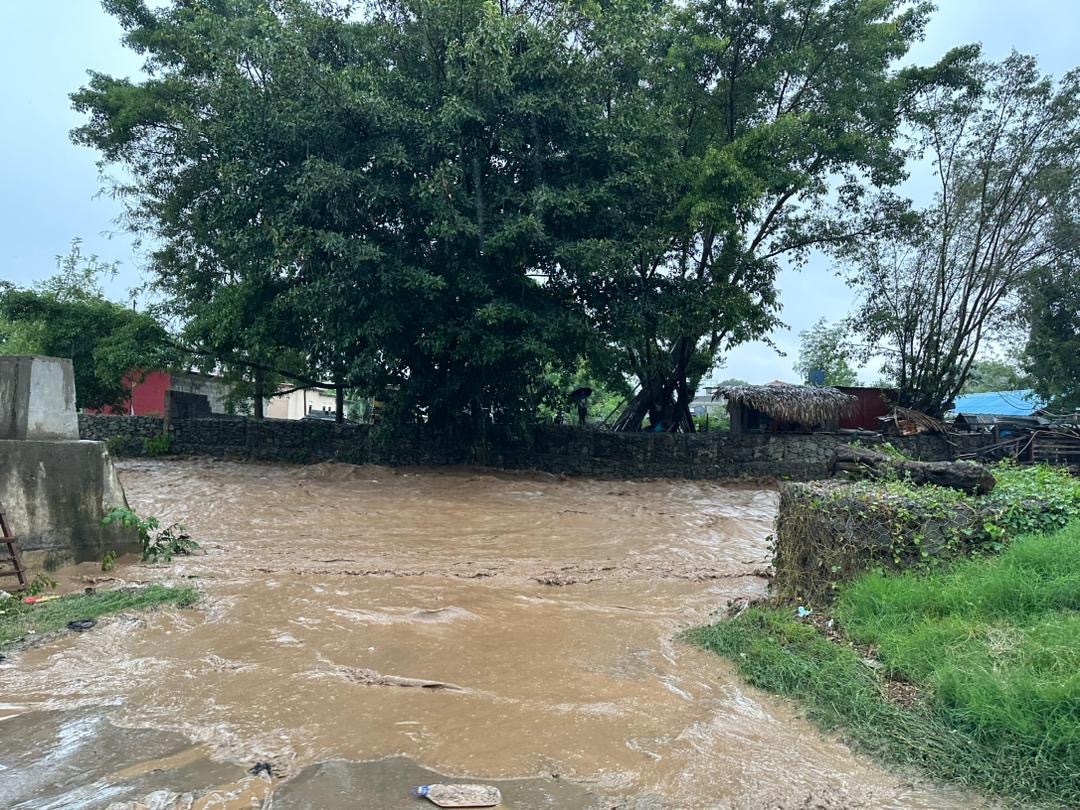
Can you describe your prototyping process and how your solution evolved over time?
Prototyping was an iterative process for us, with each version building upon the previous one. Initially, we focused on developing a basic Machine Learning (ML) model that could produce predictions using historical data. This first prototype was more of a proof-of-concept, where we tested the feasibility of using ML to predict weather-related events.
As we progressed, we refined our approach by incorporating more features and improving the accuracy of our predictions. We experimented with different algorithms and techniques to optimize our model's performance. The second version of our solution included a more sophisticated ML module that could handle larger datasets and provide more detailed forecasts.
The third iteration saw us integrating the ML software deployment module, which enabled us to deploy our model in a production-ready environment. This allowed us to test our solution with real-world data and fine-tune its performance. Throughout this process, we worked closely with AI and open-source developer mentors who provided valuable guidance and feedback on our progress.
Each version of our solution built upon the previous one, with incremental improvements and refinements. We learned from our mistakes and adapted our approach as needed.
The final prototype is a robust and reliable ML model that can accurately predict weather-related events, specifically precipitation which leads to flooding, providing critical insights for communities to prepare and respond effectively.
Can you share a memorable user or field test and the key lessons you learned?
One memorable user/field testing experience that stands out was when one of our river level sensors recorded an unusually high reading of 3m for a few hours, despite no corresponding rain events in the catchment. Upon investigation, we discovered that workers had parked their truck under the bridge housing the sensor, causing the anomaly.
This incident highlighted the importance of thoroughly reviewing training data sets before training AI models. It was a valuable lesson learned during our testing phase, and it reinforced the need for robust data quality control measures in our system.
The most memorable aspect of this test was the unexpected nature of the issue. We had been relying on the sensor's data to inform our flood risk assessments, and suddenly we were faced with an anomaly that could have significant implications if not addressed.
Key lessons learned from this incident include:
- The need for rigorous data quality control measures to prevent anomalies like this from affecting our system.
- The importance of thoroughly reviewing training data sets before deploying AI models in the field.
- The value of having a robust testing and validation process in place to catch issues like this before they become major problems.
This experience has helped us refine our approach to data collection and analysis, and we're now even more confident in the accuracy and reliability of our system.
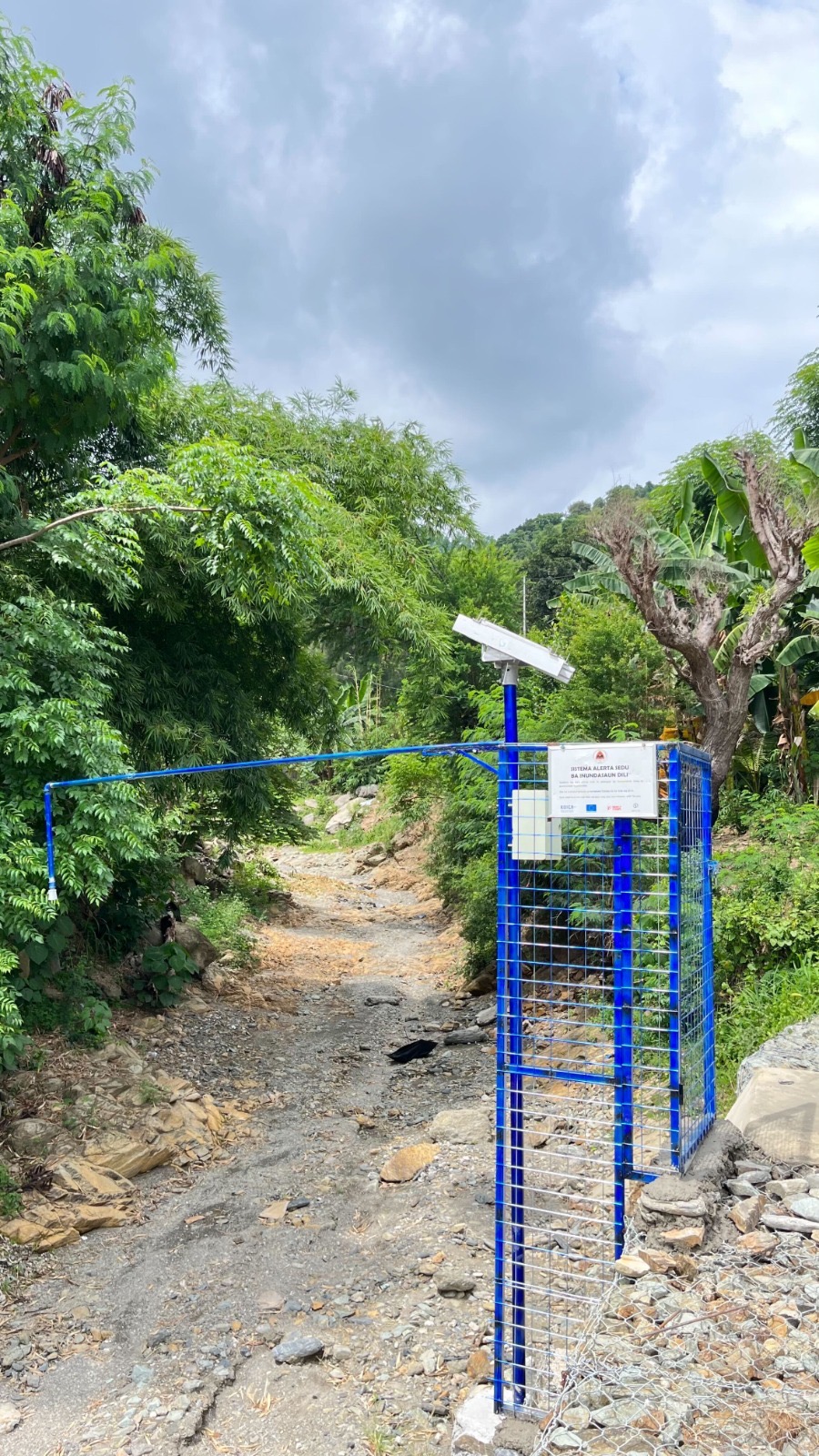
How has being Open Source benefited your solution and your company? Can you provide specific examples?
Being Open Source has been a transformative experience for our solution and company. The most significant benefit we've experienced is increased marketing visibility and legitimacy in the space. By making our technical solutions open-source, we've gained credibility and trust among the broader developer community.
A specific example of this is the contributions from a small group of machine learning students from the University of South Australia. Their efforts in training additional data sources have provided significant value to our solution, and we're excited to see how their contributions will continue to shape the project's direction. This collaboration has not only enhanced the functionality of our solution but also demonstrated the potential for open sourcing to drive innovation and growth.
As we look to the future, we plan to leverage this momentum through a targeted marketing campaign that showcases our brand and expertise in the open-source community. By promoting our presence on open-source repositories, we aim to attract more contributors, users, and partners who share our vision of creating innovative solutions for social impact. This drive will not only amplify our visibility but also solidify our position as a leader in the open-source ecosystem.
The benefits of being Open Source are multifaceted:
- Collaboration and Innovation: Our open-source approach has encouraged collaboration between developers, fostering innovation and continuous improvement.
- Transparency and Trust: By making our codebase transparent, we've built trust with users who can review, audit, and understand the underlying system.
- Community Engagement: The contributions from the University of South Australia students demonstrate the potential for open sourcing to drive community engagement and collaboration.
As we move forward, we're committed to ensuring that our open-source solution remains up-to-date and relevant. We plan to engage with the broader developer community through regular updates, bug fixes, and feature enhancements. By doing so, we aim to maintain a strong reputation as a responsible and innovative player in the open-source ecosystem.
How has your business model and strategy evolved over the past year, and what are your biggest achievements and growth plans for the next year?
Over the past 12 months, our business model and strategy have undergone significant transformations. We've transitioned from a traditional tech solutions provider to an open-source-first approach, leveraging community-driven innovation.
One of our greatest achievements has been the successful implementation of this new strategy. By making our solutions open source, we've encouraged developer contributions, reduced dependency on external sales, and fostered organic growth. This shift has enhanced our products and provided a potential revenue-generating API for organizations and tinkerers seeking real-time data outputs.
Our value proposition has evolved to position us as a global platform connecting and sharing climate-adaptation solutions, driving investment into our software ecosystem. We’ve also diversified our offerings to include consulting services and ready-made packages/value-added services rooted in open-source principles, catering to the specific needs of governments and public agencies.
Looking ahead, we’re optimistic about our growth prospects. We plan to focus on developing targeted Early Warning Systems (EWS) products tailored to the needs of governments and public/private agencies. We anticipate significant revenue streams from hardware sales and integration, platform subscriptions, consultancy services/training, and auxiliary offerings, such as certification and training for our open-source tools.
Our strategy will remain centered on building lasting partnerships with these entities, leveraging open-source innovation to drive growth. As we move forward, we are confident in the continued success of our EWS products and the expanding reach of our open-source platform.
Who are the key collaborators you’re seeking, and how can they add value to your business?
We're eager to collaborate with regional governments and private firms such as insurance, construction, and utility companies. Additionally, we’d like to expand our partnerships with organizations such as UNICEF, WFP, Red Cross, and other organizations invested in climate adaptation and can help us drive our impact and reach.
These partners can add value to our growing business by:
- Providing access to new markets and customers
- Sharing their expertise and resources to enhance our solutions
- Collaborating on joint projects and initiatives that address climate-related challenges
- Supporting our efforts to develop targeted Early Warning Systems (EWS) products for specific needs of governments and public agencies
Such partnerships might help us leverage additional opportunities for growth and expand our reach on climate-related challenges.
Where are the biggest obstacles/challenges you think your company will need to address or work around?
As a small but ambitious company, we're aware of the significant challenges that lie ahead. One of our biggest hurdles is scaling our solution to meet the demand for meaningful change in the industry. We've identified several key barriers and risks that could impede our growth:
- Supply-chain issues: Our current technologies require over 20 parts from various sources, which can lead to potential supply-chain disruptions and limit our ability to produce enough hardware in a short amount of time.
- Scalability: As we grow, we'll need to ensure that our production processes can keep pace with demand, without compromising quality or efficiency.
- Competition: We're aware that established players in the industry may view us as a disruptor and attempt to counter our efforts through competitive means.
- Funding: While we've secured some initial funding, we'll need to seek additional resources to support our growth plans, which could be challenging given the competitive nature of the market.
To overcome these challenges, we plan to:
- Seek funding through grants, investors, or other avenues** to support our scaling efforts and mitigate potential supply-chain risks.
- Develop strategic partnerships with suppliers and industry leaders to ensure a stable and efficient production process.
- Focus on building a strong brand and reputation, which will help us differentiate ourselves from competitors and attract customers who value our unique approach.
- Continuously monitor and adapt to changes in the market, ensuring that we stay ahead of potential threats and capitalize on emerging opportunities.
What are you most excited about for your company next year, and what are your main goals?
For Similie, the next 12 months are all about scaling up and expanding our reach. We're most excited about further improving and productizing our Machine Learning (ML) solutions to tackle climate change adaptation challenges in the Asia-Pacific region.
Our main goals for next year include:
- Productization of ML Solutions: We aim to refine and commercialize our existing ML-based products, making them more user-friendly and accessible to a broader audience.
- Market Expansion: We're eager to expand into new markets across the Asia-Pacific region, leveraging partnerships with governments, NGOs, and private sector entities to deploy our solutions.
- Partnerships and Collaborations: We want to foster strategic partnerships with key players in the climate change adaptation space, sharing knowledge, resources, and expertise to drive meaningful impact.
- Capacity Building: We'll focus on building a robust team with diverse skill sets, including data scientists, engineers, and domain experts, to support our growth plans.
Our ambition is that Similie will become a leading player in the climate change adaptation space, making a tangible difference in the lives of people across the Asia-Pacific region.
How has the UNICEF Venture Fund supported your solution beyond financing?
The UNICEF Venture Fund has been instrumental in shaping Similie's solution and business model. Beyond the financial investment, we've gained significant support in navigating our changing business realities.
One of the most valuable aspects of the Fund's support is the expertise and guidance provided by their team. They helped us refine our business strategy, particularly with regards to open sourcing as a growth strategy. This has been a game-changer for Similie, enabling us to facilitate developer contributions, reduce dependency on external sales, and promote organic growth.
The UNICEF Venture Fund also introduced us to a network of like-minded organizations and individuals who share our passion for innovation and impact. We've established meaningful connections with these partners, which has opened new opportunities for collaboration and knowledge sharing.
Furthermore, the Fund's support has enabled us to focus on developing targeted Early Warning Systems (EWS) products that cater to specific needs of governments and public agencies. This has allowed us to concentrate on building lasting partnerships with these entities, which is a key aspect of our business model.
In terms of specific value, we've benefited from:
- Expertise and guidance in refining our business strategy
- Access to a network of like-minded organizations and individuals
- Introduction to new opportunities for collaboration and knowledge sharing
- Support in developing targeted EWS products that cater to specific needs of governments and public agencies
Overall, the UNICEF Venture Fund's support has been invaluable in helping Similie adapt to changing business realities and achieve our mission of making a meaningful impact.
Stories by this author
Cleaning Up the Future: How INS is Using AI to Detect and Monitor Waste
Read StoryRelated Stories


