
Community Data in Action: Equinoct’s Path to Transforming Flood Predictions
Community Data in Action: Equinoct’s Path to Transforming Flood Predictions
Reflecting on a Year of Growth, Innovation, and Community Impact with UNICEF Venture Fund
In October 2023, the UNICEF Venture Fund launched its first Climate Action Cohort, selecting eight ventures to pioneer open-source, frontier tech solutions addressing climate challenges. Among these was Equinoct, an Indian startup dedicated to community-sourced flood detection and early warning systems. The Venture Fund’s investment rationale in Equinoct was to understand how hyper-local, real-time data generated and shared by communities can revolutionize climate disaster preparedness and response. If successful, similar approaches can be used for alternative use cases across UNICEF programmatic and priority areas.
During its yearlong investment, Equinoct developed and tested a comprehensive solution, Community Sourced Impact Based Flood Forecast and Warning System (CoS-It-FloWS), that integrates technology and community engagement to address flooding risks.
Equinoct’s CoS-It-FloWS solution includes:
- Gather Gauges: Custom-designed rain gauges to enhance data accuracy in high rainfall areas.
- Gather Mobile App: For real-time community data collection.
- Insight Gather Web Platform: A dashboard providing actionable flood forecasts and impact scenarios.
- Gather Network: A community-driven data collection initiative involving local residents, including children.
In the below interview with the Equinoct team, they reflect on their journey over the last year developing and testing the CoS-It-FloWs system.
Where will your solution have the greatest impact in the next phase, and why?
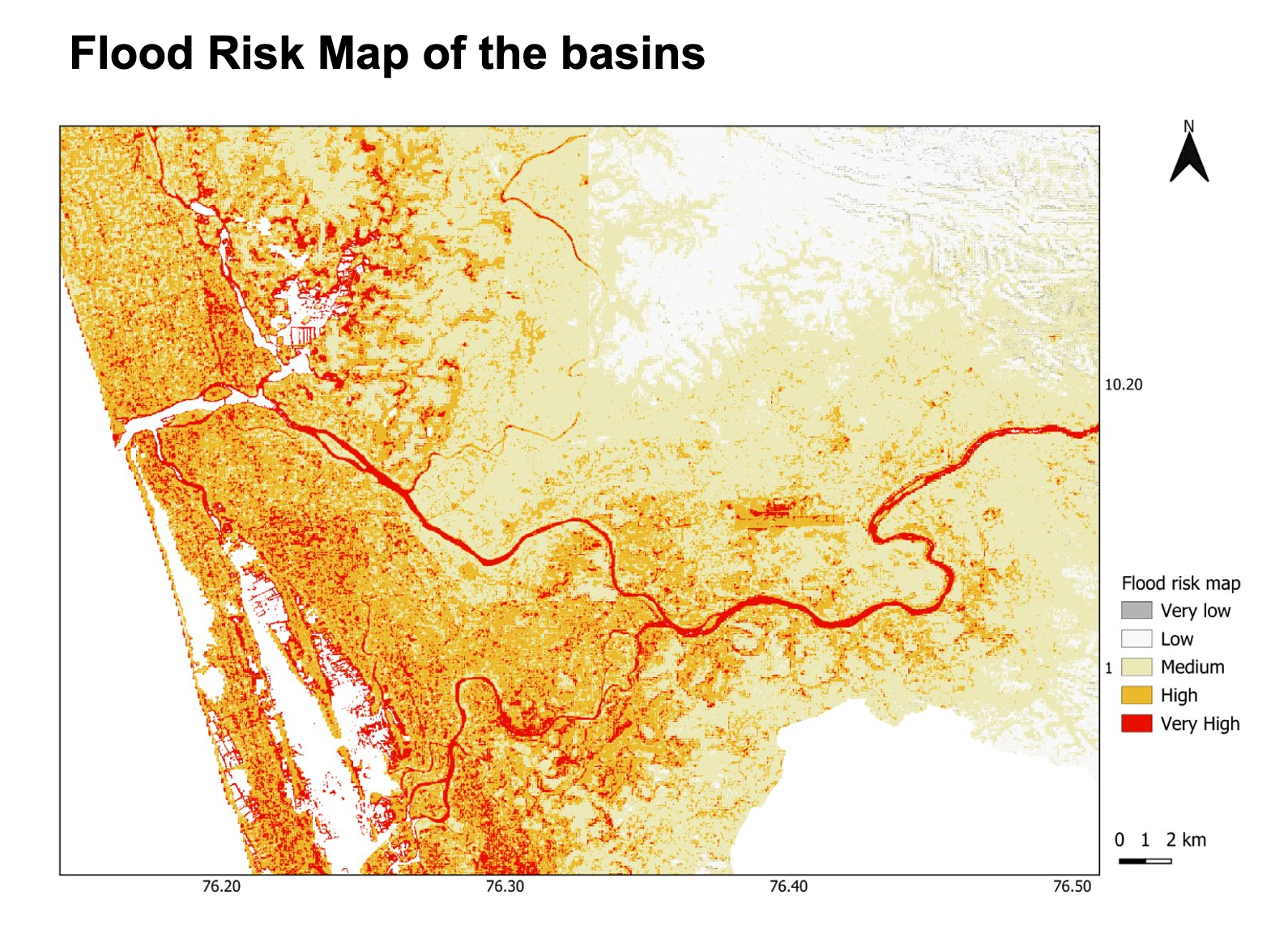
In the next phase, we aim to test and transition the product into the market. Geographically, our focus will remain on the pilot river basins. From a business perspective, we plan to expand deployment across diverse public and private sector clients, including Bharat Petroleum Corporation Ltd. Kochi Refinery, Cochin International Airport Ltd., Forest Development Agencies, and the tourism and hospitality industry. Initial discussions with these organizations have already begun. Over the next year, we will deploy the solution within the basins to evaluate its performance, customization, and impact metrics.
On the social front, the Gather network will play a central role as a hub for climate change campaigns, communication, and training initiatives.
Can you describe your prototyping process and how your solution evolved over time?
Our solution consists of four components: the Gather Gauge, the Gather mobile app, the Insight Gather web platform, and the Gather Network of data collectors. Each component underwent its own development journey before integrating into the CoS-It-FloWS solution.
Gather Gauge
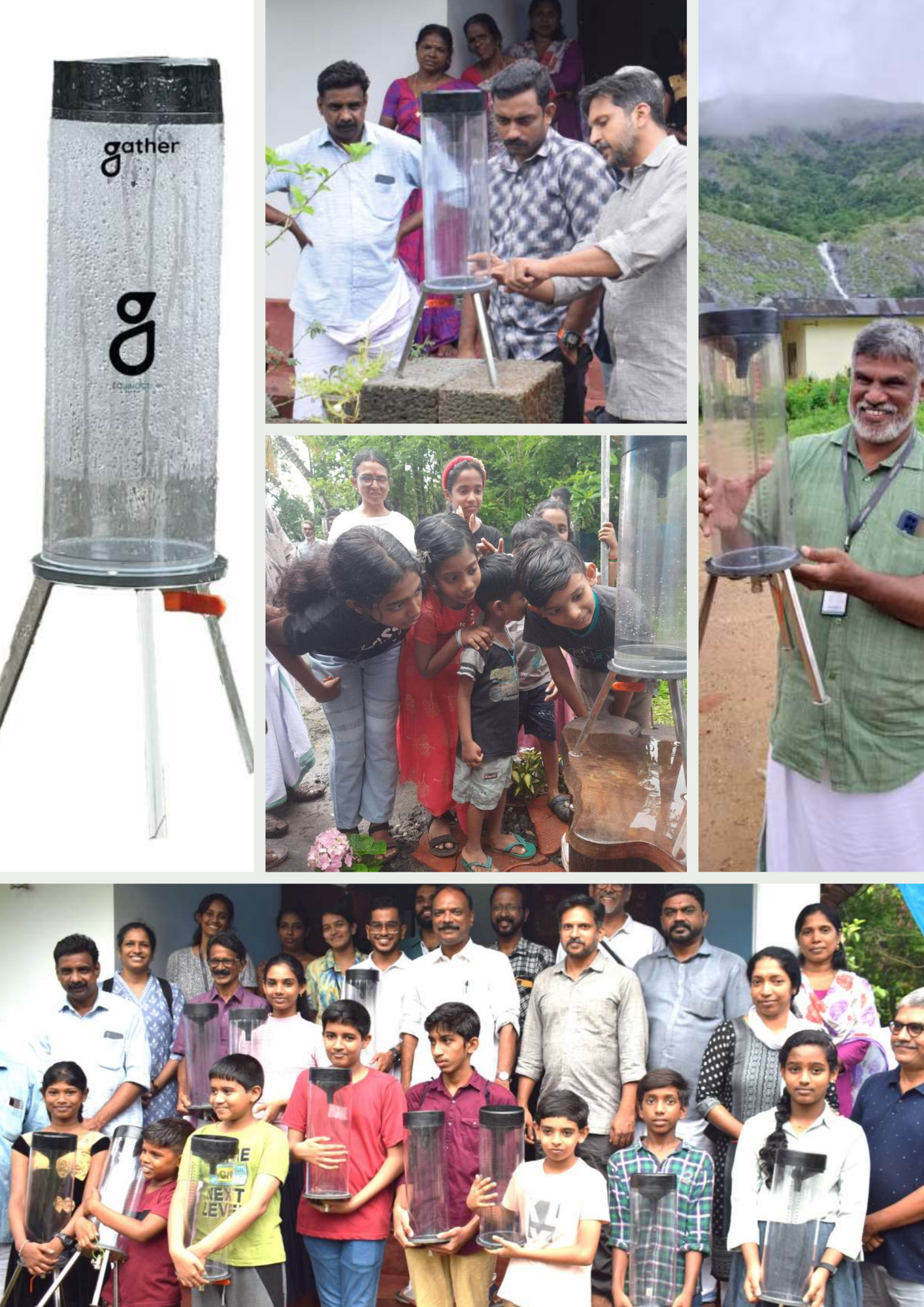
At first we planned to source the rain gauges from the market; however, in the process of planning for our pilot along the river basins, we learned that the existing rain gauges with the standard design of 4-inch collection diameter have large errors, especially during high rainfall days. As a result, we decided to build our own rain gauge with a 5-inch diameter non-breakable Polycarbonate tube with laser-etched readings to remove the limitations of conventional gauges. We explored local manufacturing to produce these gauges, but ultimately partnered with a professional company to design and manufacture a customized gauge, now branded as Gather, specifically designed for the region’s high rainfall events. We distributed these rain gauges along two river basins to community members who were trained on how to install, maintain and read the gauges.
Gather Mobile App
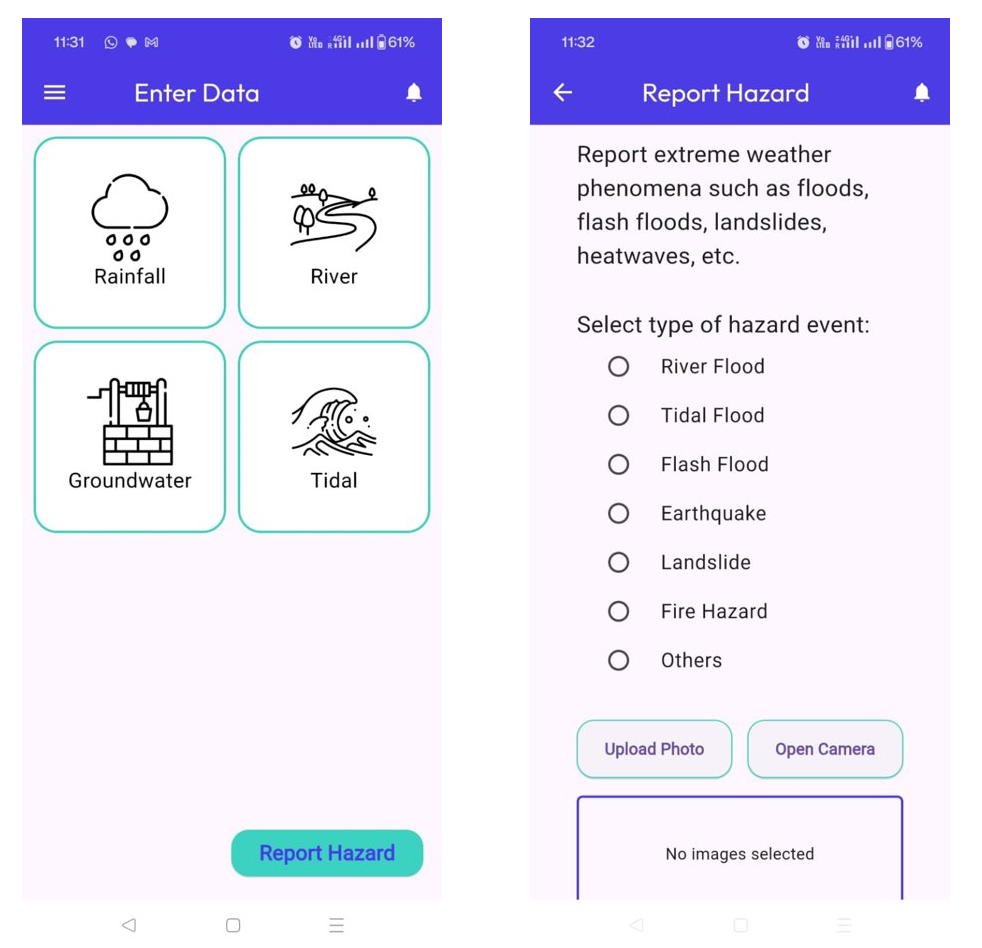
As the rain gauges were installed among the community, we also trained community members on how to read and report the gauges' rain levels via the Gather mobile app. Through daily input from community members, real-time data is available from the Gather Network. In our design and testing of the mobile app, we went through multiple iterations and user testing to refine its functionality and interface.
Insight Gather web platform
The web platform and dashboard were tested with the District Disaster Management Authority at various stages to align with their needs and enhance disaster preparedness.
Gather Network
Lastly, the Gather Network of 100 members was established by engaging and testing different community groups, including schools, farmers, dairy cooperatives, resident associations, church groups, intergovernmental agencies, and other organizations within the basins. 38% of our Gather network members are students.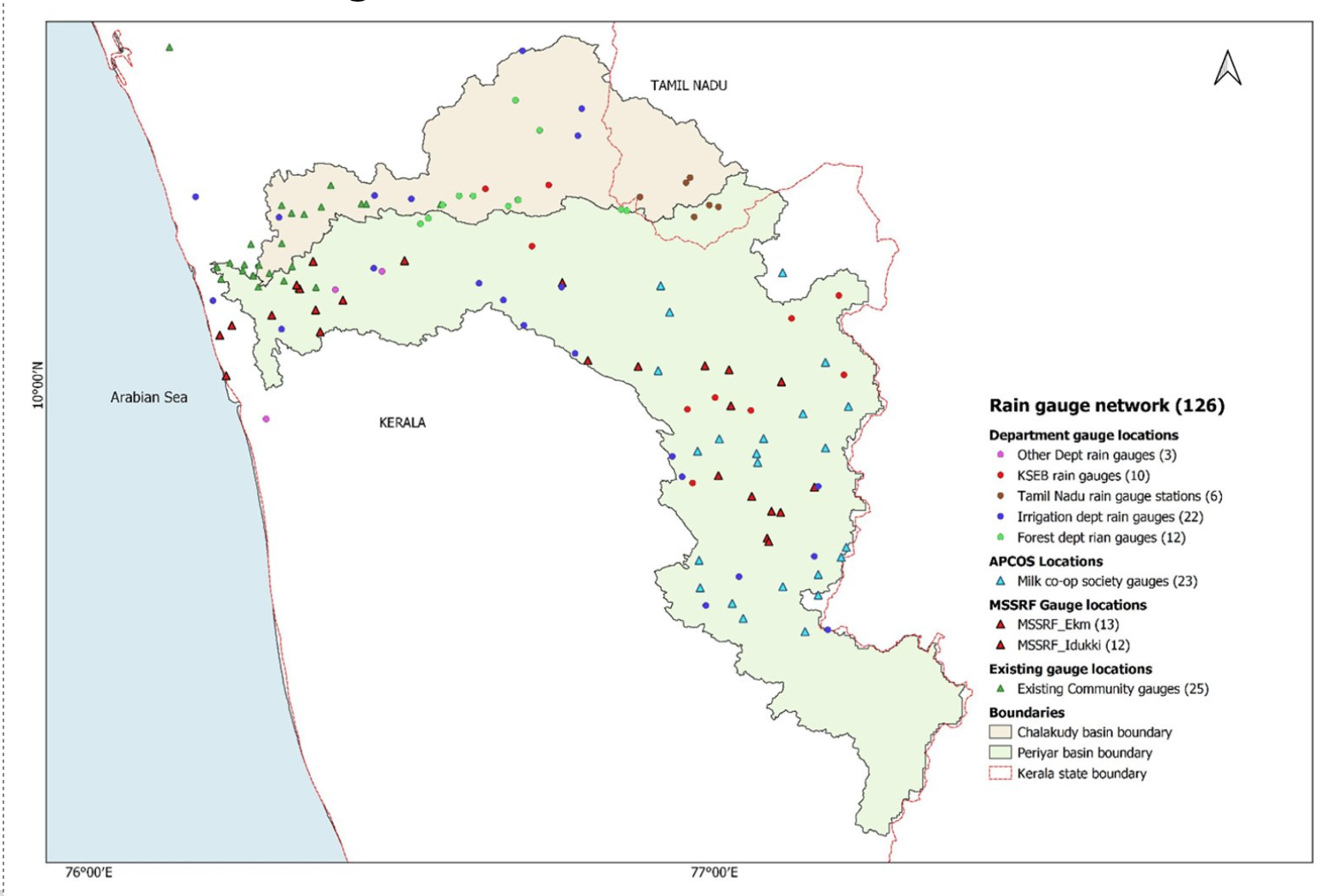
Can you share a memorable user or field test and the key lessons you learned?
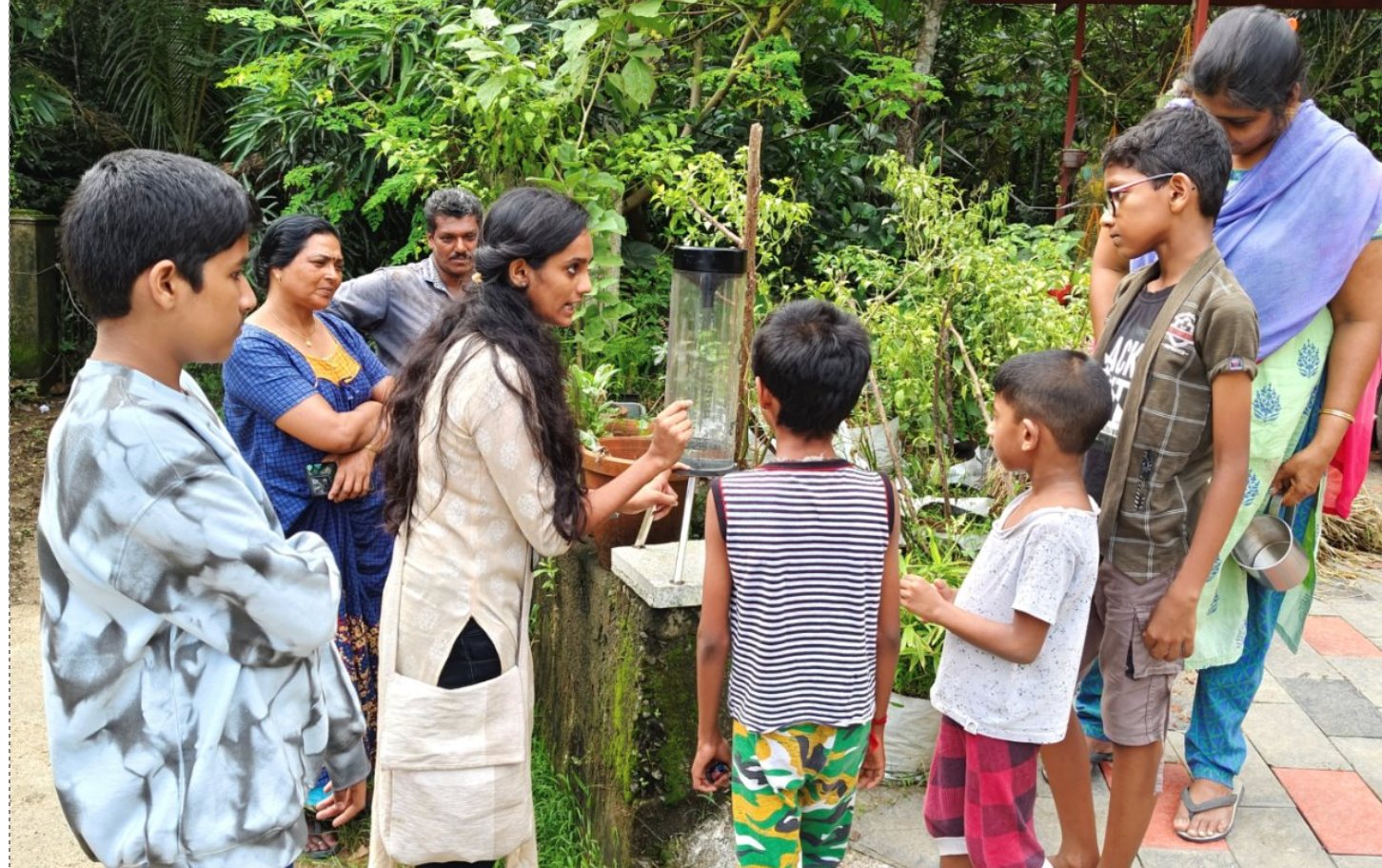
During a field visit to Puthenvellikara Grama Panchayat, we tested the Gather data collection app with 10-year-old Peter Emmanuel. Though the app was still in development, we aimed to identify features that didn’t resonate with our intended users.
Peter’s candid feedback was particularly memorable. Despite never checking weather data online, he was adept at playing video games on his mom’s phone. When asked how the app could be improved, he suggested adding a feature to view past entries or display a streak, similar to what he’d seen in his games.
This was a feature we hadn’t considered but quickly realized could encourage consistent user engagement. Seeing the app through a child’s eyes provided invaluable insight into designing for user engagement beyond data collection.
What message would you share with stakeholders about the power of community-sourced data in combating climate change?
Community-sourced data is a powerful tool in the fight against climate change due to its hyper-local resolution and the embedded historical and geographical knowledge it brings. This data not only enhances the accuracy and relevance of climate insights but also empowers communities by fostering a sense of agency in climate action. Moreover, it plays a critical role in promoting the dissemination and acceptance of early warnings, enabling more effective prevention and response to climate disasters.
How has being Open Source benefited your solution and your company? Can you provide specific examples?
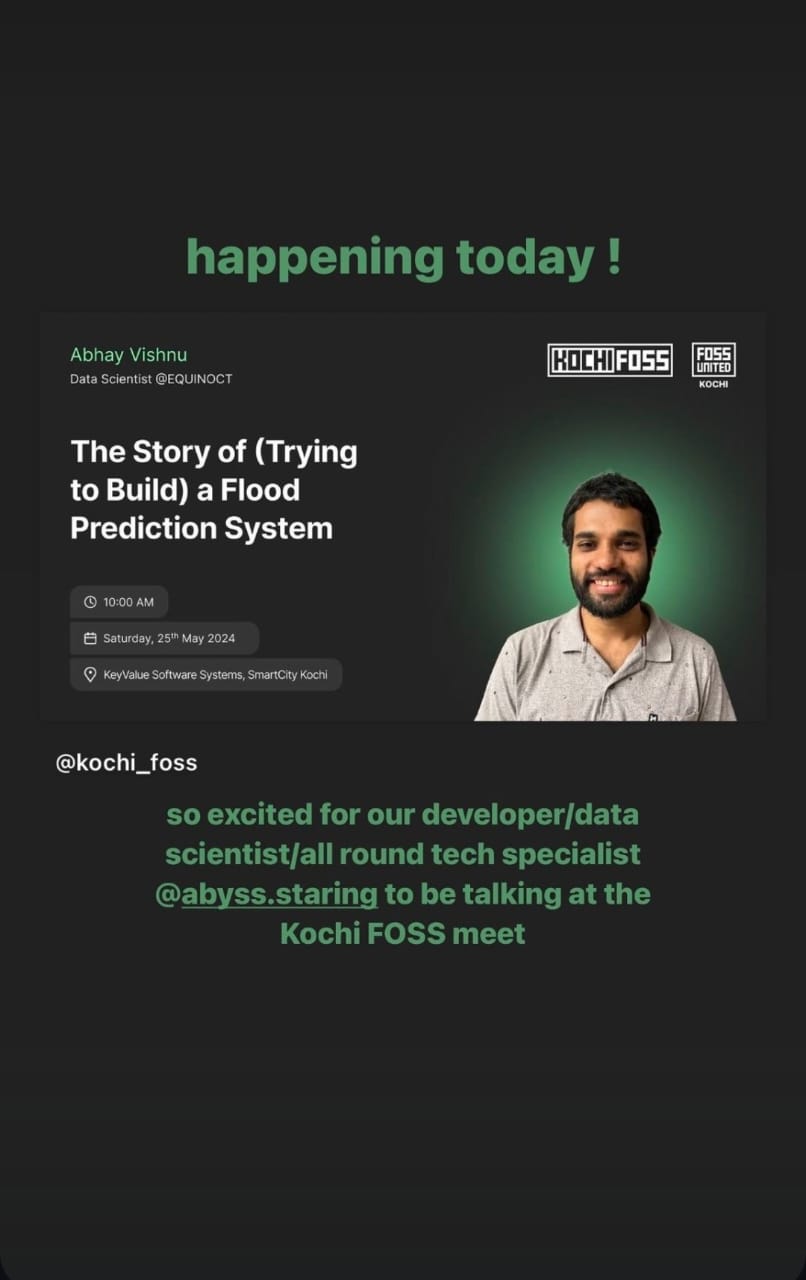
The Open Source approach has been invaluable, attracting experts from around the world to collaborate on various modules of our solution. For instance, employees from Google volunteered nearly 50 hours to support our development—a contribution made possible solely due to our open-source model. Additionally, being part of the Free and Open Source Software Community Kochi has provided invaluable learning opportunities and strengthened our open-source journey.
How has your business model and strategy evolved over the past year, and what are your biggest achievements and growth plans for the next year?
Over the past year, our business model has evolved significantly with the decision to customize the portal for individual and business needs. We introduced value-based pricing and premium features for specific requirements. Additionally, we’re developing a credit system to attract and retain clients. These changes hav`e strengthened our hybrid model, addressing the distinct needs of public and private sectors as well as individual users for forecasts and impact data.
In the next year, we plan to grow by strategically deploying the solution with key stakeholders in each segment within the pilot basins.
Who are the key collaborators you’re seeking, and how can they add value to your business?
In the public sector, we aim to collaborate with state and national disaster management authorities and the National Hydro-power Corporation to tailor our solution for flood monitoring and early warnings.
For funding, we’re pursuing partnerships with international agencies such as the Global Innovation Fund, CDRI, and SIDA to support our critical Test and Transition phase. This phase will enable us to deploy the solution with strategic partners, build a marketing team, and gather impact evidence over the next season.
In the private sector, we’re seeking key clients to better understand their unique requirements and refine our solution through customized modules. These collaborations will help us enhance our offering and expand into new markets.
What are you most excited about for your company next year, and what are your main goals?
Next year, we’re most excited about deploying our dashboard in key locations and monitoring its real-world impact—this will be a pivotal moment for our solution.
Our main goals include:
- Launching the Test and Transition phase through strategic deployments.
- Securing funding to refine the solution and align it with market needs.
- Securing at least one buyer in each sector and industry segment.
- Conducting Gather Network trainings and in-person sessions.
- Documenting field stories to capture on-the-ground experiences and impact.
How has the UNICEF Venture Fund supported your solution beyond financing?
The UNICEF Venture Fund provided invaluable support beyond funding in two key areas:
- Dedicated Mentorship: We benefited from expert guidance across various aspects of business building, with mentors who went the extra mile to ensure quality and success.
- Exceptional Portfolio Management: Led by Madison Marks, the portfolio management was seamless and pressure-free. Her facilitation of meetings with the UNICEF India Country Office and SIDA has opened doors to future opportunities that will be critical for our growth.
Stories by this author
Cleaning Up the Future: How INS is Using AI to Detect and Monitor Waste
Read StoryRelated Stories


