Portfolio News

Alumni News: Afrilearn's and Angaza Elimu's Next Chapters in Equitable Digital Learning
Oct 07 , 2025
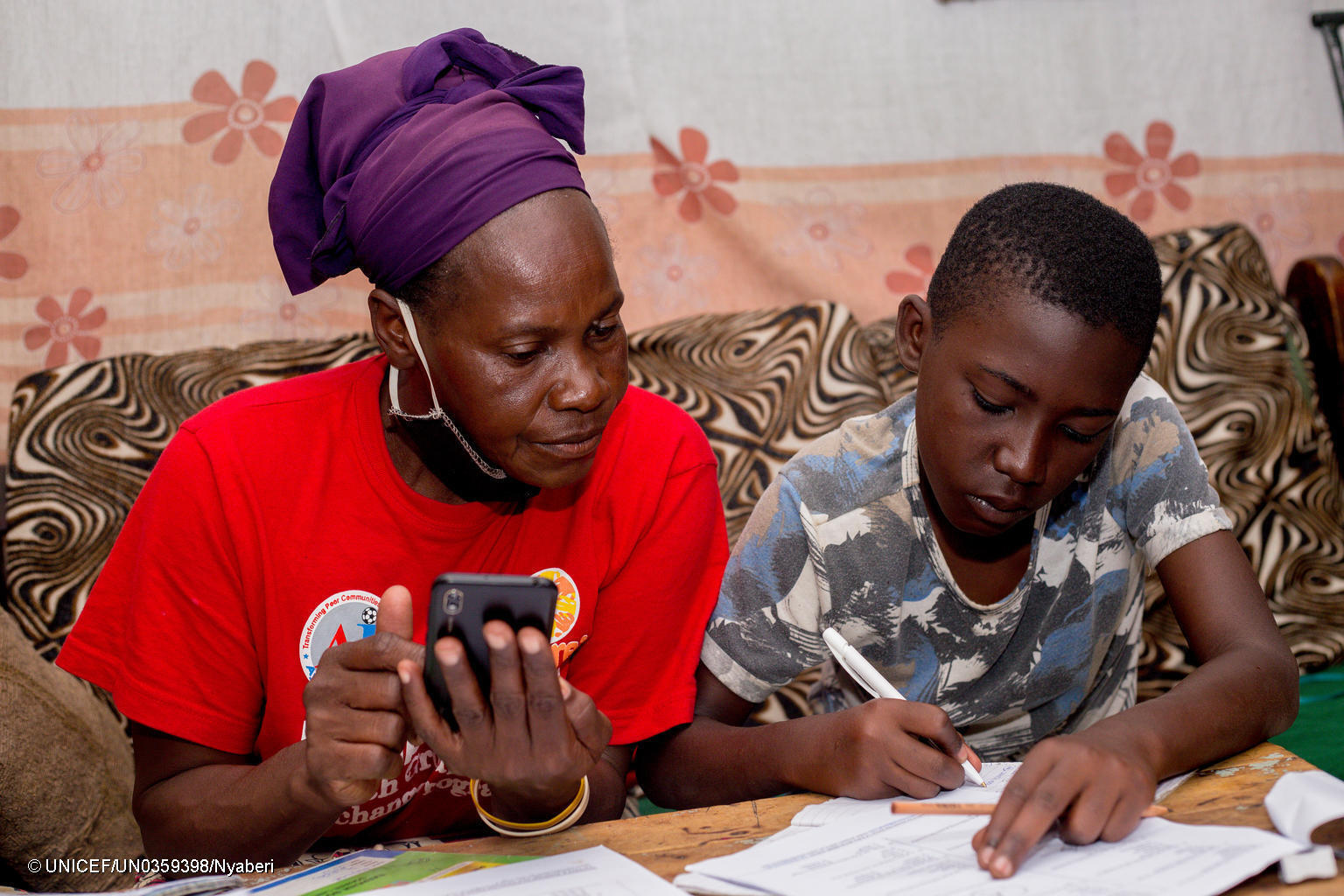
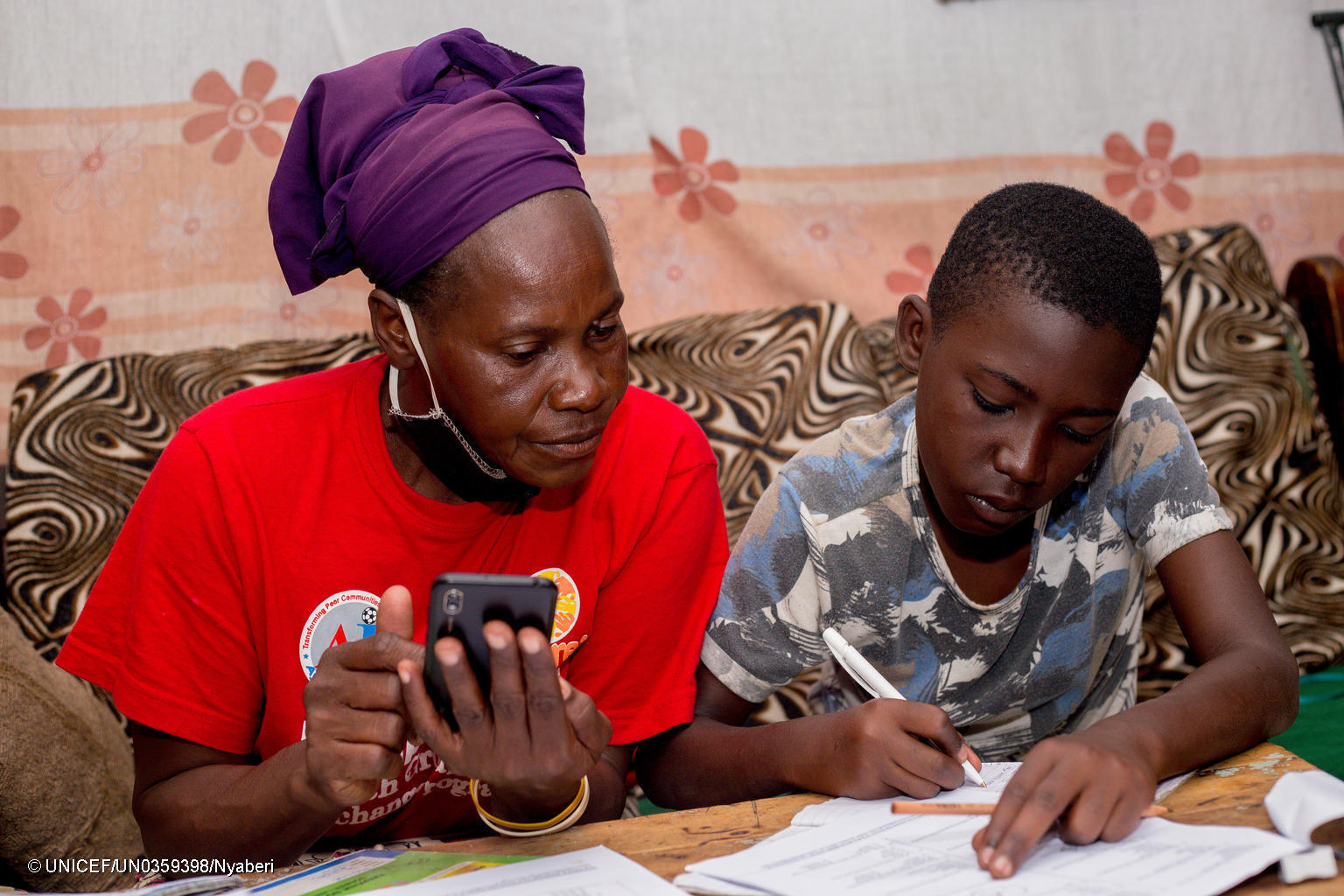
Photo for illustrative purposes only
On this page

Overview

When Afrilearn (Nigeria) and Angaza Elimu (Kenya) first joined the UNICEF Venture Fund portfolio, both set out to prove that digital learning tools could be effective, scalable, and affordable for millions of children and young people across Africa. 

Afrilearn’s platform uses a gamified education app combined with an AI recommender engine to meet students at their level, guide them through progressively challenging content, and make exam prep engaging. 

Angaza Elimu powers its adaptive learning platform with a student adaptation engine plus a teacher intervention engine, allowing content to adjust to individual pace while giving teachers control to cluster students or override the system when needed. 

Two years after graduating from their investment period with the Fund (Afrilearn from seed funding and Angaza Elimu from growth funding, both in 2023), the edtech startups are demonstrating what sustained growth and innovation look like in practice.

Scaling reach through adaptive technology

Afrilearn’s AI-powered mobile app has already reached more than three million learners across over ten countries, from Nigeria to South Africa, and even in diaspora communities stretching as far as the United States, Canada, and India. The app offers class notes, video lessons, gamified exam practice, coding, homework help, and progress tracking—all optimized for low-data settings.

Meanwhile, Angaza Elimu is breaking new ground with its WhatsApp-based teacher-support tool, now used daily by more than 6,200 teachers in Kenya. Simple to access and designed around teachers’ existing habits, it provides lesson planning, mentorship, and learner-progress insights without requiring new downloads or devices. 

Both companies are proving that intuitive, user-centered design—whether for students or teachers—is essential to scaling adoption.

Building for classrooms, not just after-school learning


One of the strongest commonalities between Afrilearn and Angaza Elimu is their move into the formal school environment. Afrilearn responded to demand by building a School Management System that’s already in use across more than 808 schools. It automates administrative tasks like exam marking and fee collection, while also giving students access to Afrilearn’s digital learning content. Schools gain efficiency; students benefit from continuity between classroom and personal study.

Angaza Elimu, too, is embedding its solution directly into classroom practice. In Rwanda, under UNICEF’s Blue Unicorn programme, the company is piloting adaptive learning and teacher-support tools within the standard 40-minute lesson. Using a structured “I do, we do, you do” pedagogy, teachers combine guided instruction with tablet-based adaptive assessments—even experimenting with device-sharing models so limited resources don’t prevent learners from benefiting. Both companies are demonstrating that edtech can succeed when it is woven into the rhythm of the school day, not positioned as an optional add-on.

Evidence and trust as prerequisites for scale

For governments and partners, evidence of impact remains the key currency. Afrilearn is now focused on demonstrating measurable benefits for schools: reduced teacher workload, improved student performance, and cost savings through efficiency gains. Similarly, Angaza Elimu is prioritizing rigorous evidence-building in Rwanda to address government skepticism born of past failed edtech initiatives. By proving effectiveness and cost-effectiveness—Angaza Elimu has committed to keeping costs under $10 per learner annually—both startups are setting themselves apart in a crowded field.

Looking ahead


For Afrilearn, the priorities are clear: scale the School Management System beyond its current 808 schools, deepen government partnerships starting with Lagos State, and push toward no-data and feature phone access to ensure inclusivity. For Angaza Elimu, the near-term focus is on making the Rwanda pilot a success, proving classroom effectiveness, and mobilizing resources to sustain and expand.

Together, these two alumni show the pathways—and the hurdles—that define edtech growth in emerging markets. Their stories underscore a common truth: meaningful innovation in education is not only about building smart technology but also about embedding it in systems, earning the trust of teachers and governments, and ensuring affordability for learners everywhere.

Share this story
Stories by this author

How UNICEF Yemen Transformed Cash Transfer Programming From Reactive to Real-time Accountability

Read Story
Jenina Alli
Innovation Specialist