
More than just code: Why youth perspectives are essential for UNICEF's AI & Data for Good work

About the author
Youth engagement insights as told by Halim Jun, a data science and machine learning advisor in UNICEF's Ventures team, where she offers expert guidance and technical assistance to UNICEF teams and country offices in developing open-source prototypes for SDGs. Her latest projects include supporting air quality modeling in Lao PDR and automating high volume document analysis using large language models.
Event Overview
At the 24th Training Program on the United Nations and the 2030 Agenda, hosted by Hope to the Future Association, I had the opportunity to lead an interactive session with high school students to explore how AI and data can be applied to challenges faced by children – specifically on UNICEF’s work to highlight air quality issues in Lao PDR. The group included 20 high school students from several countries, from Korea to Luxemburg, with interests spanning econometrics to anthropology.
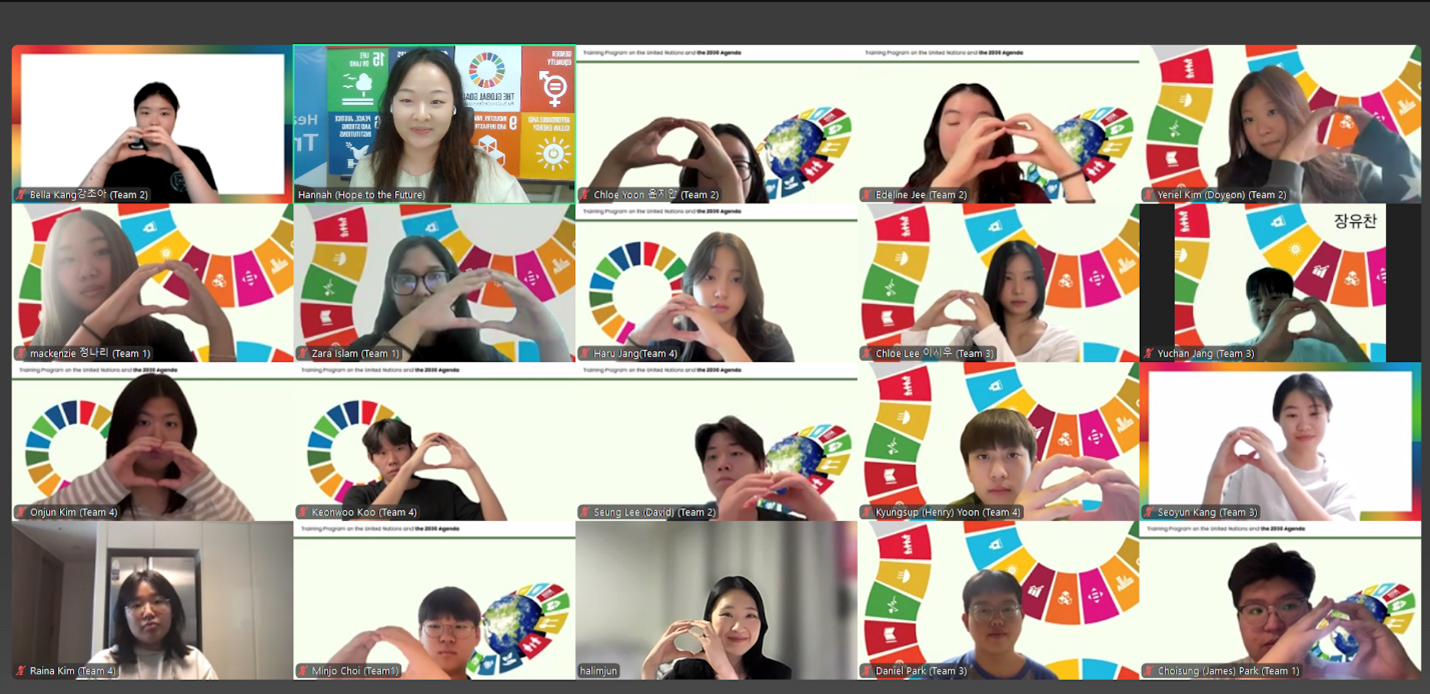
As part of the session, we imagined ourselves as UNICEF officers in Lao PDR confronting bad air quality during the seasonal crop burning that occurs from February to April. Farmers burn the vegetation to clear the land and prepare it for the next planting season, which creates hazardous air conditions for children and communities. Through this exercise, the students explored potential solutions, and the session illuminated the immense value of engaging young people in discussions about frontier technologies for achieving the 2030 Sustainable Development Goals. Below are some of my reflections on the day’s conversations.
Why youth perspectives are crucial for the future of AI/Data for Good

My time with these students underscored three key reasons why youth involvement is not just beneficial, but absolutely vital:
We learn from their unfiltered perspective
One student asked a critical question: "What is UNICEF doing to prevent the harm of unintended bias, especially on marginalized children?" This question cut to the heart of the ethical challenges we face when exploring the power of AI. It reminded me that the next generation isn't merely intrigued by tech. Rather, they are genuinely concerned about fairness, equity and the potential for harm. Their questions challenge us as practitioners to embed responsibility and inclusivity into every stage of our work.
Bridging the gap: facing our legacy of perception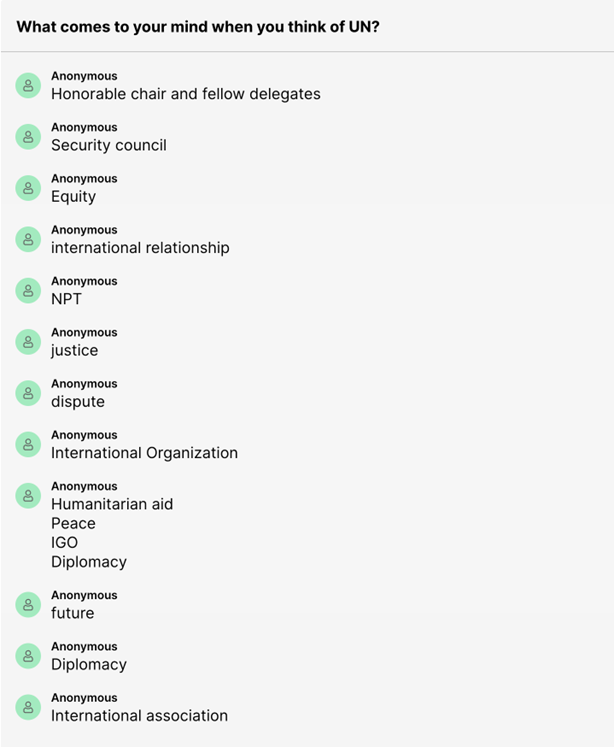
When asked what came to mind with the words “United Nations,” students listed words like "peace," "negotiations," "fellow delegates" "disputes," "justice," "diplomacy" – largely traditional, political associations drawn from Model UN experiences or the media. Few connected the UN with innovation or technology. This raises an important point: if we want the next generation to to see the UN as relevant, as a driver of innovative solutions for the SDGs, we must engage them more directly in our innovation work. Better engagement will not only help broaden youth perspectives, but will also challenge us as UN staff to break out of our own industrial bubbles.
Equipping the next generation: equipping them to act
One student asked: "Which major should we choose to have to have a career like yours?" Their eagerness to contribute was clear, but so was their uncertainty about where to begin.
As development professionals, having more interactions with young people around our innovation work not only increases visibility for our programmes. It also gives young people real-world engagement with innovation projects that can help them see how their studies and passions connect to global challenges. By showing them practical pathways into this work, we equip them to become the next generation of changemakers.
Related Stories


