
6 Superstar Mentors + Fund’s 5 Start-Ups Meet in Dubai to Discuss Pitfalls, Red Flags, Strengths, and Value Propositions
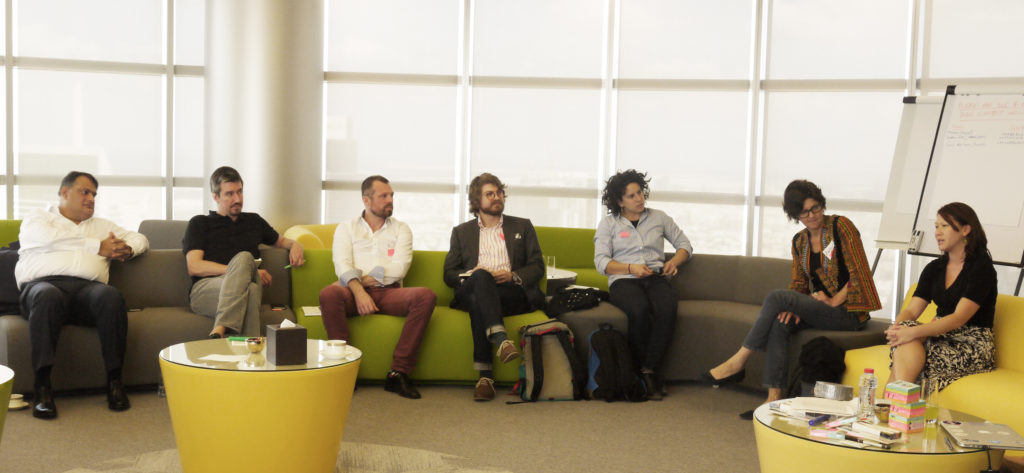


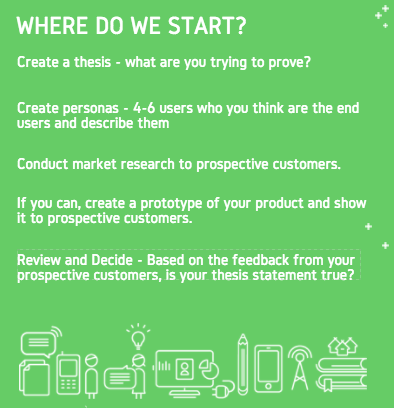
Julia Lam (entrepreneur) kickstarted the discussion emphasising the importance of idea validation. “It’s important to be able to validate your ideas from early on – so that you can allocate your limited resources efficiently. She added, “You don’t want to work on building a product for six months and realize that people don’t actually need it.” Having experienced failures and successes within the start-up world, she highlighted the importance of placing the user at the centre of any design and product development process. She also shared her steps in validating ideas

One of the most challenging decisions start-ups face is knowing when to kill a project. That moment when your journey hits a crossroad – when you need to decide whether to continue or if it’s time to pull the plug. Sometimes, due to the fear of failing, businesses continue – even if the project no longer meets its strategic objective. In fact, ending your project can lead to new business developments and stronger products, and services.
So where do you start? A closer step to understanding whether your project is worth pursuing is by identifying and managing risks.

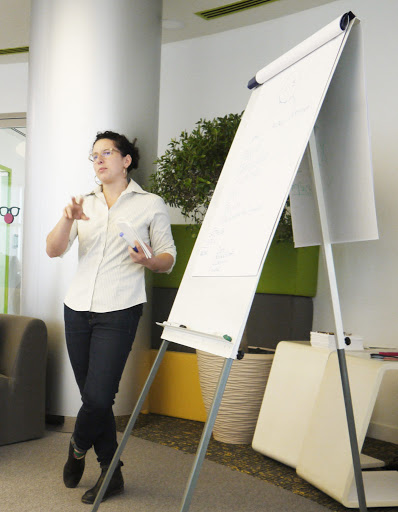
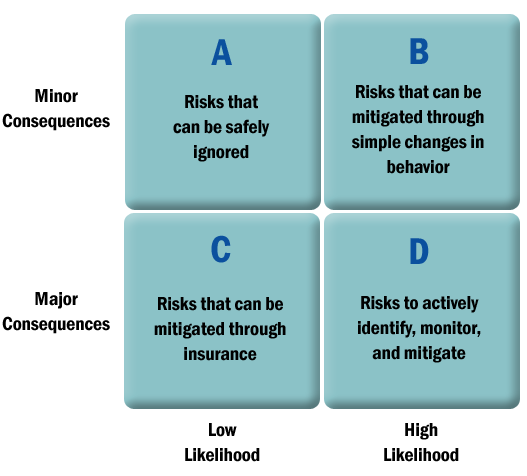
Rapid evaluation and risk management expert, Gabriella Levine (Google X) encouraged everyone to create a risk management framework. What could go wrong? Are there risks related to the market, competition, technology, finance, people, impact or legal? What should be done to mitigate risks in an efficient, and cost-effective manner? Through this framework, you can identify your business’ main areas of concern, bottlenecks and can help you decide whether to keep going – or start creating a new pathway. In particular, once you know the severity and likelihood of any given risk, you will be able to answer the question: Does the benefit of mitigating a risk outweigh the cost of doing so?
As mentor Katrin Verclas (The Blockchain Trust Accelerator) highlights “It’s important to have a structured way to think and manage risks – this helps make decision making feel less ambiguous.”

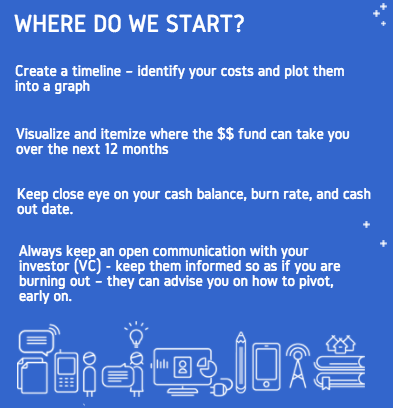
Mentor, Shaffin Jamal (Union Trust Investments Limited) questions, “What’s your burn rate? “Do
you know how long your money and recent investment will last? It’s very important, at a very early stage, to invest time and resources to plan your financials – creating structure, transparency, and governance.”
To understand where an investment can take you, a timeline is needed to identify the amount of cash spent to finance costs on a monthly basis. Identifying rates and numbers associated with your cash flow are good measurements of how soon you need to raise funds and what level of risk you face.
At the two-day meeting, mentors emphasized the importance of spending time and effort in building a diverse team. Seed-stage startups have the opportunity to build diversity and inclusion into their companies from the very beginning.
Why is diversity important in your team early on?
Julia Lam (entrepreneur) highlights “Ideas are a dime a dozen, but having the right team is the number one thing that will make or break your company. Your product will change many times, so you better have the best, smartest, most flexible people to keep up and make you successful.”
Gender should not be the only diversity metric -a team should bring in diverse backgrounds and minds in how to approach and interpret challenges and solutions from unique perspectives. UNICEF’s Office of Innovation, for example, reflects its commitment to diversity in its team members.
The data on the impact of diversity is evident. A recent McKinsey report “Diversity Matters,” examined public companies across industries and found that teams with the highest racial, ethnic and professional mix are 35% more likely to have financial returns.

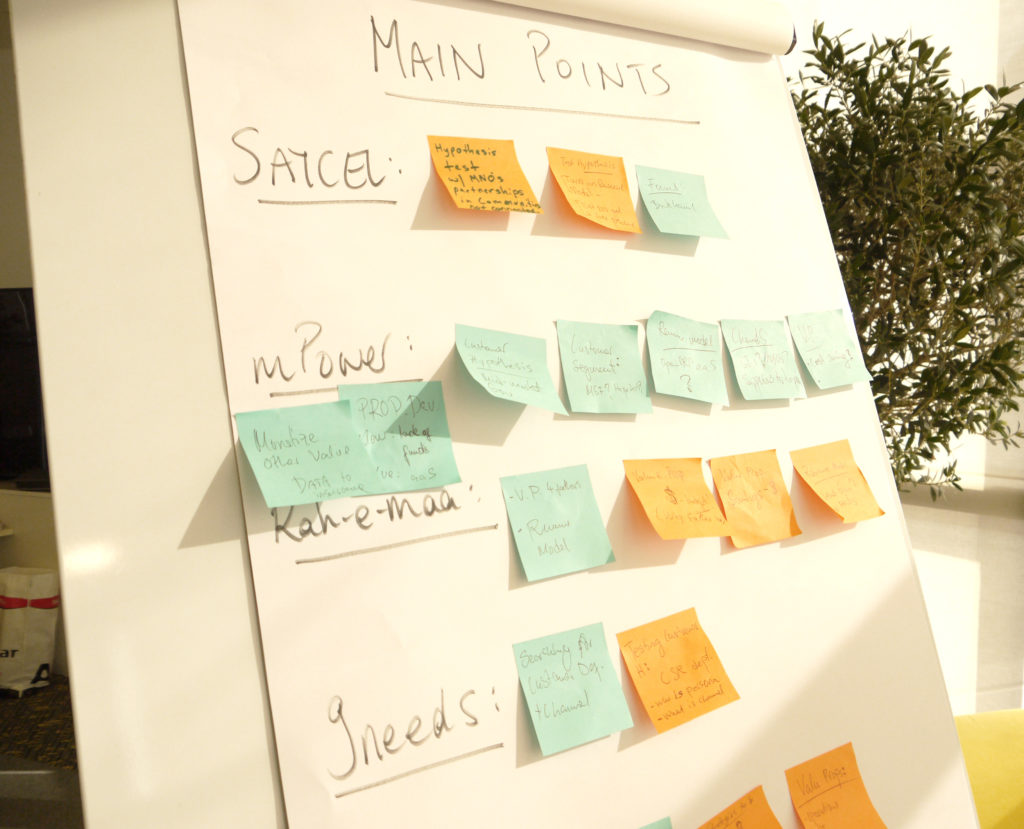
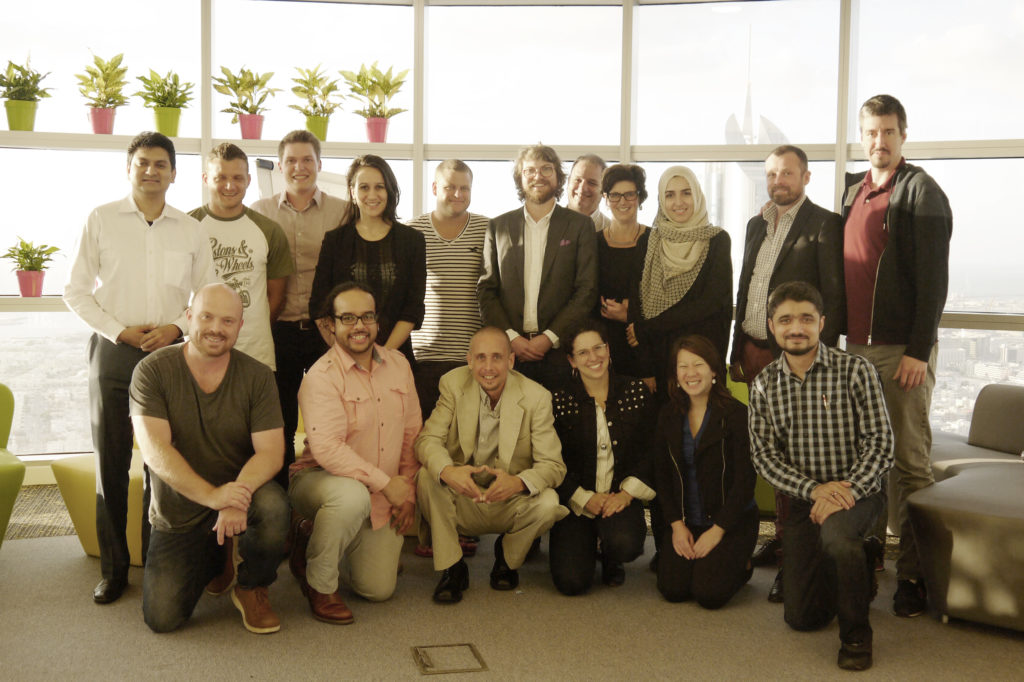
The UNICEF Innovation Fund’s 2-day workshop not only provided an opportunity for the Fund’s start-ups to personally learn from a pool of smart mentors but also provided a space to continue building collaborative open-source networks of individuals, experts, and businesses. Buckled up with more insights, next steps, and inspiration, we introduce and welcome, UNICEF Innovation Fund’s Cohort of 2016.

Read related blogs:
Learn more about the first 5 tech start-ups who make up the UNICEF Innovation Fund’s first portfolio of companies receiving investment from the Fund:
Related Stories


