
2024 Highlights and A Future of Urgency to Reimagine Investment for Children and their Communities

The Venture Fund’s Model Works—Now We Grow

As we proudly release the UNICEF Venture Fund Annual Report, we reflect on how a bold idea became a proven model for reimagining technology for children.
In 2014, UNICEF launched the first of its kind: a Venture Fund with a bold proposition that investing early in open-source, frontier technologies from emerging markets could change the trajectory of global development—starting with the world’s most vulnerable children. A decade later, the results speak for themselves. We’ve supported 153 solutions across 80+ countries, including fragile and conflict-affected settings. 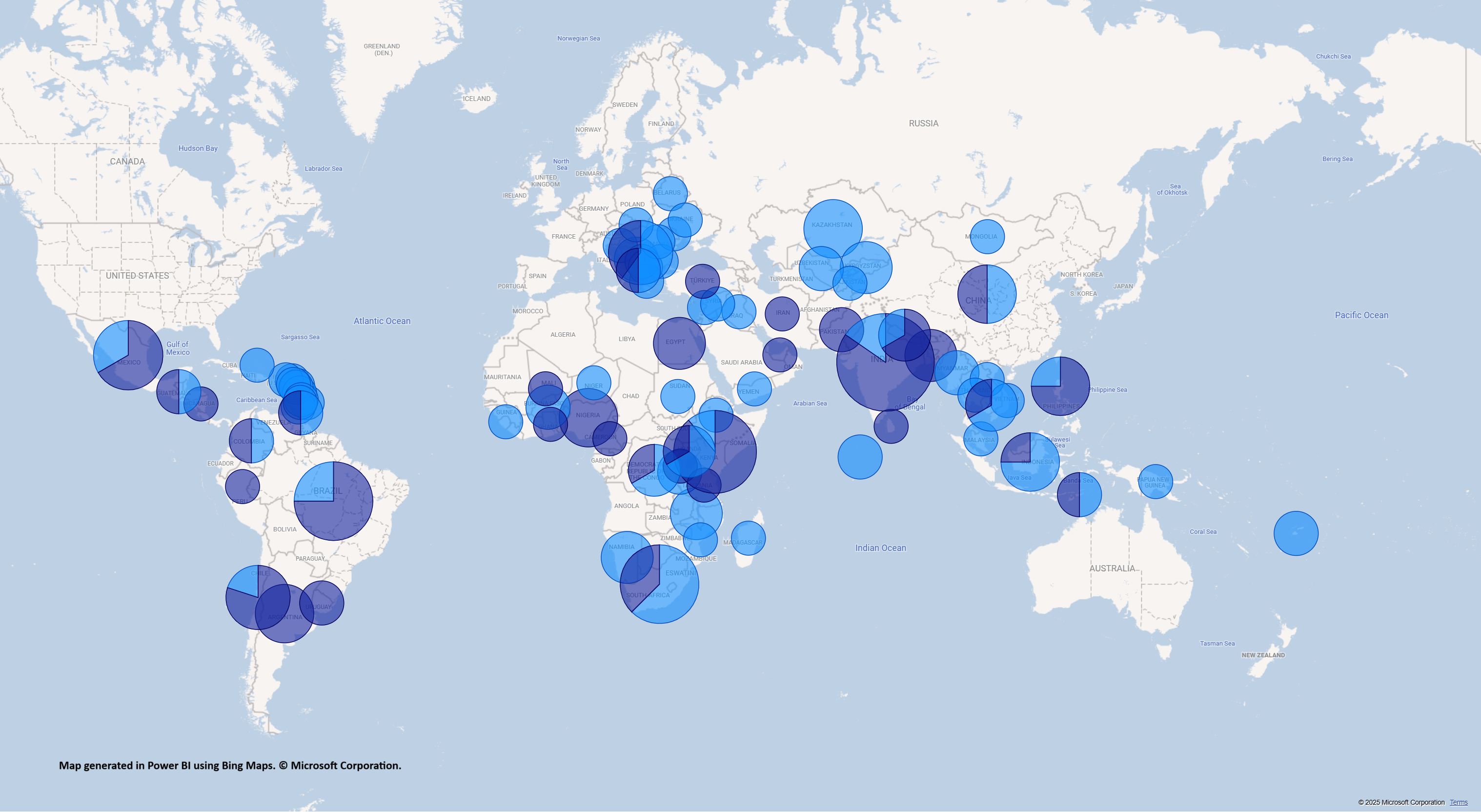 A global footprint of Venture Fund investments.
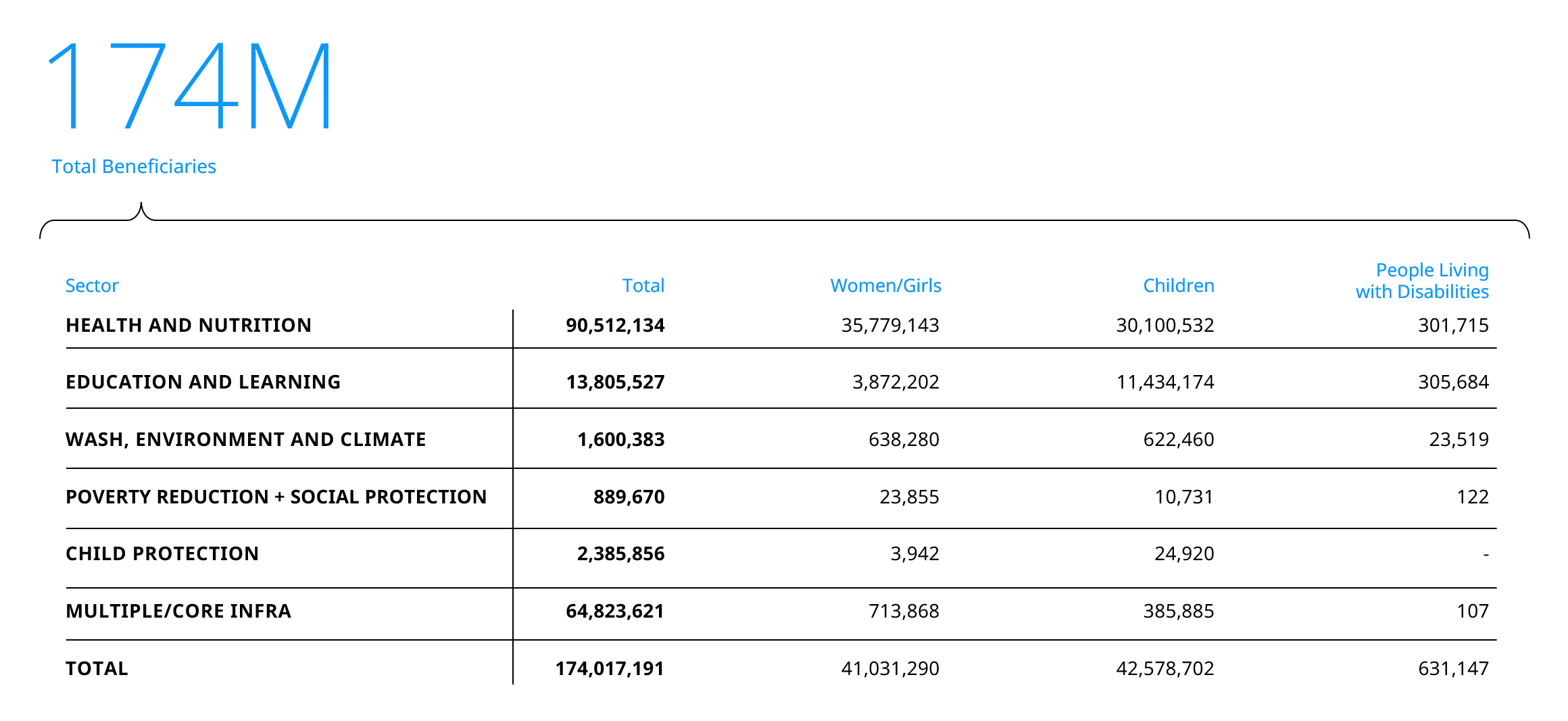
These innovations have reached 174 million people, including 42 million children—and startups in our portfolio have collectively raised 12x the initial capital invested.
The model works, and we've seen and supported the replication of our VC-style investment approach across UN agencies, and international development organizations. And the opportunity—especially in the face of growing global challenges across international development—is bigger than ever.
To meet the SDG targets by 2030, we need to double our current number of investments in the next five years with an equity-driven approach to investment. Our vision for the next five years focuses on three strategic goals:
- Double the Investment Portfolio: Expand our support to over 150 new solutions by 2030, scaling what works faster and further.
- Aligning with UNICEF's Innovation Strategy, accelerate Transition-to-Scale investments: Help proven innovations reach 10+ new markets, with targeted funding and support for local and women-led teams.
- Complement our possibilities-led approach with programming results: Over the next five years, we will focus on FemTech and Climate as two of our core investment themes, while continuing to explore frontier technologies such as AI, Modular and Intelligent Edge, and Blockchain to benefit children and their communities.
We have been able to showcase that a model rooted in symmetry, fairness, and global collaboration works. Ten years on, we remain committed to that vision—but with greater urgency, clarity, and ambition.
Three-Pillar Strategy

Our strategy rests on three interconnected pillars:
Discovering and de-risking possibilities across programmes: We identify, test, and invest in frontier technologies—from AI to blockchain—that have the potential to dramatically improve outcomes for children and communities. Our approach is built on rigor, continuous iteration, and user-centered design. The most recent seed investments leverage AI to strengthen healthcare systems for children—from fetal heart monitoring and pediatric support for parents in remote communities to call management for victims and survivors of gender-based violence. In 2024 the Fund also launched its FemTech strategy, which seeks to identify, pilot and eventually accelerate women-centric solutions that solve the diverse, unmet needs of women and girls in emerging markets. This led to a series of regional challenges, across Southeast Asia, Africa and the Middle East (with GITEX) to understand the tech landscape and inform our first call for applications. We're grateful to have the Swedish International Development Cooperation Agency (Sida) join as a new Strategic Partner of the UNICEF Venture Fund and drive explorations, investments and growth for FemTech innovations.
Enabling system-level change: We don’t just fund startups—we work across sectors to influence public systems, policies, and funding flows, facilitating the adoption and growth of innovative open solutions including through UNICEF's country programmes and close partnership with governments. We form partnerships with governments, private sector leaders, international development agencies, and multilateral donors to embed innovation into systems. Our investments are open by design, Open source means more than code—it means transparency, collaboration, shared learning, and collective ownership of solutions that benefit all. We believe the most effective innovations are those that strengthen the digital commons and serve as building blocks for equitable public infrastructure. The team has played a key role in shaping digital policy through its engagement in the Global Digital Compact, helping secure global recognition for Digital Public Goods and advocating for recommendations aligned with the Convention on the Rights of the Child and online child safety.
Accelerating innovation capacity from within: Through our Country Office investment window, we continue to strengthen our internal innovation capacity. We prototype and deploy new solutions in our programming, and support UNICEF country offices with the tools and technical expertise to drive progress for the most vulnerable children. For example, building on AI-powered climate work from some of the Venture Fund's investees as well as in-house efforts to explore predictive models for pollution forecasting, this year we are supporting a pilot on air quality monitoring in schools, using low-cost sensors and geospatial analytics to generate hyperlocal data that can drive targeted policy and protect children’s health.
A Fairer Future Through Open Innovation
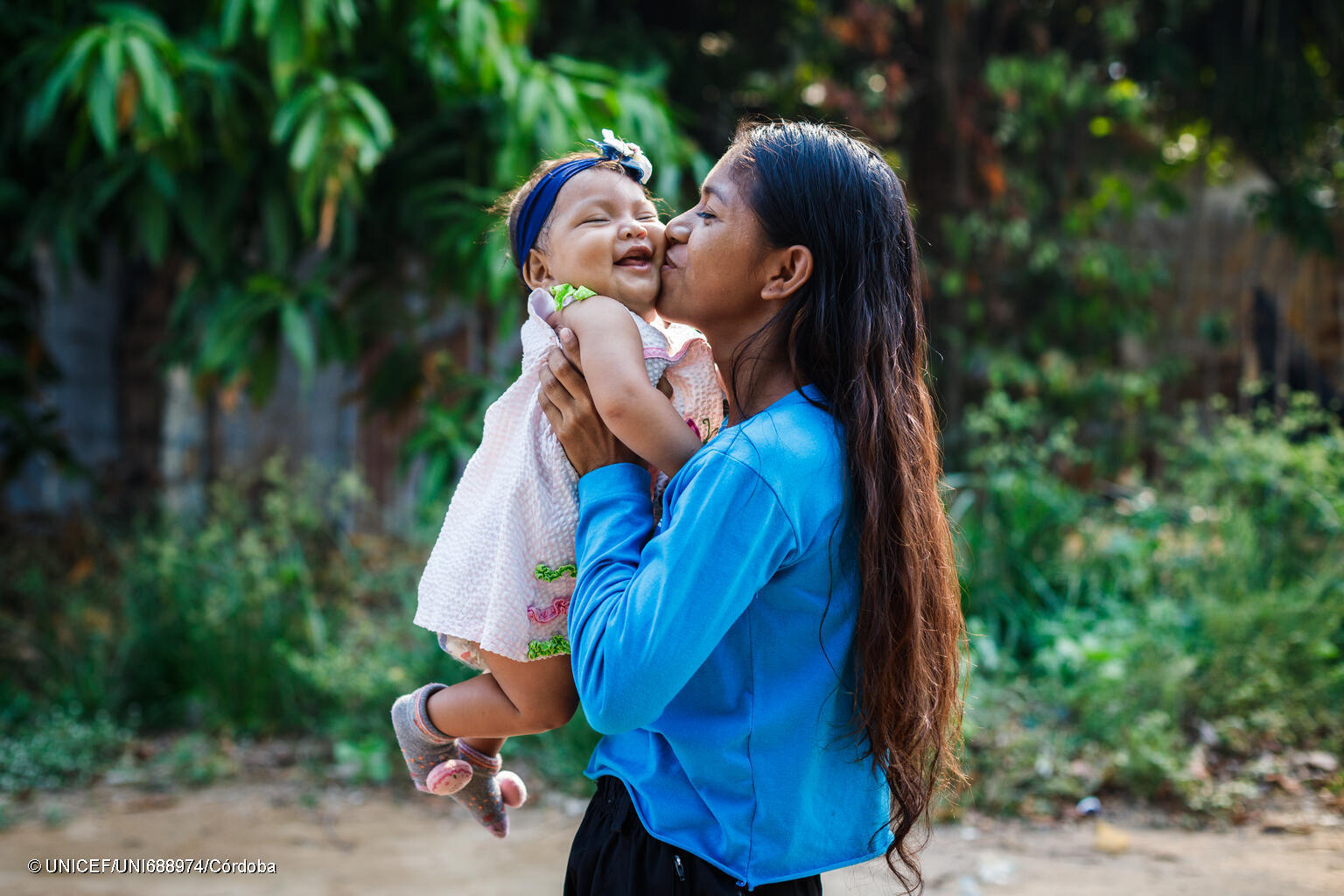
Our investments, tech explorations, and advocacy work reflect a broader strategy to strengthen inclusive tech infrastructure that reaches more people, in more meaningful ways. Our north star is to close the gap between who benefits from emerging technologies and who needs them most. We champion a future where technology is a Digital Public Good, accessible to all and driven by those who understand the local challenges best. This is why we invest in local talent, build open ecosystems, and shape global digital policy - to ensure that technology becomes a tool for equity, accountability, and child-centered impact. From real-time data for child health in rural areas to AI for inclusive learning and financial inclusion, we’re trying to build a world where every innovation is an opportunity for everyone—especially the most marginalized.
We strive to drive catalytic financing to innovations to shape a future that is inclusive, open, and built to scale.
Related Stories


