OSS Episode 1: Transparent Aid Distribution on Blockchain
Mar 04 , 2026
On this page
UNICEF Venture Fund Open Source Showcase: Rumsan
jalli
Recap from the inaugural UNICEF Venture Fund Open Source Showcase
On 8 December, we kicked off a new initiative at UNICEF's Office of Innovation: the Venture Fund Open Source Showcase series. Over the next five months, we're spotlighting proven open source solutions from our portfolio—projects that have moved beyond the pilot phase into real deployments across multiple countries.
Our first showcase featured Rahat, a blockchain-based aid distribution platform built by Rumsan in Nepal. What emerged from the session with Rumee and Manjik wasn't just a product demo—it was a masterclass in building adoption-ready Digital Public Goods in challenging environments.
The Problem Rahat Set Out to Solve
The numbers are stark: 80% of Nepal's population is exposed to climate hazards. Two million people are affected by floods annually. And globally, an estimated 30% of aid money is lost to inefficiencies and corruption.
But here's what caught my attention during the session: it's not just about getting money to people faster. It's about what happens before the disaster hits.
"30% reduction in damage with 24-hour warning," Rumee noted, citing IFRC data. That single insight shapes everything about how Rahat works.
What Actually Happened in the Field
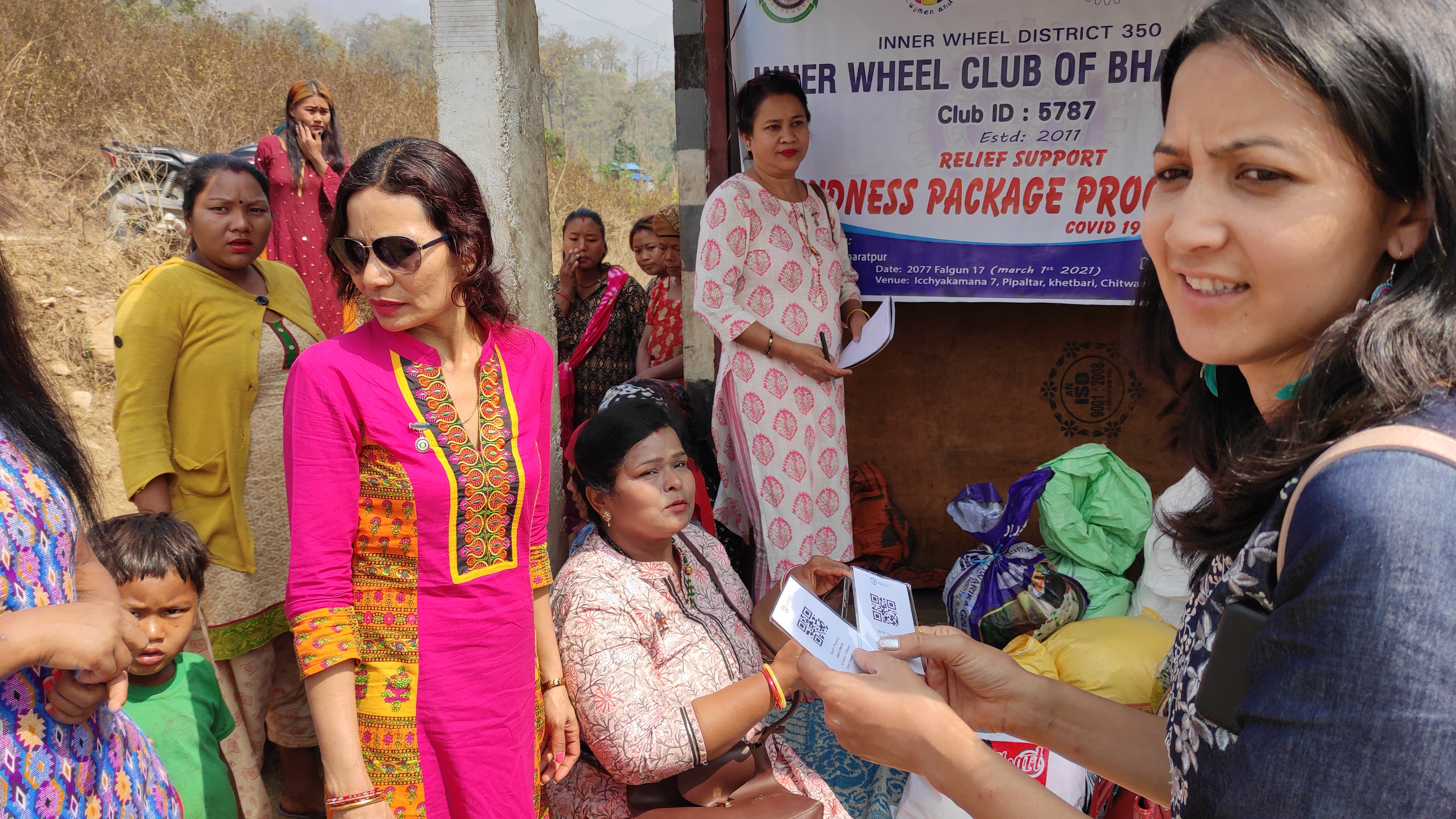
The Jaleshwar pilot in Nepal's Madhesh Pradesh tells the story best. Working with UNICEF Nepal and local government, Rahat reached 1,900 households—over 9,800 lives impacted—in a flood-prone area where many people are unbanked and connectivity is unreliable.
The results that stood out:
All anticipatory actions completed within 6 hours of activation. Early warnings went out to 4,800+ households in 49 minutes. Cash reached 774 households in under 6 hours.
98% of beneficiaries took protective action before the floods arrived.
Donor reporting completed in one day—a process that typically takes weeks.
Average cash transaction time: 4-5 minutes, even for people without bank accounts, using basic feature phones.
That last point matters enormously. Rahat works over SMS and USSD, reaching people with basic phones in areas with patchy connectivity.
Three Technical Decisions That Made the Difference
During the Q&A, participants dug into the architecture choices. Three stood out as particularly instructive for anyone building Digital Public Goods:
1. Smart contracts for automation, not speculation. Rahat uses blockchain to automate disbursement when weather data crosses pre-set thresholds. This removes manual approval bottlenecks during crises. The blockchain isn't about cryptocurrency—it's about transparent, auditable, programmable money flows.
2. Low-tech by design. The system works on feature phones via SMS. Vendors have an offline-capable app. This wasn't an afterthought—it was a core design requirement from day one.
3. Modular architecture built for adaptation. Rahat isn't one product; it's a set of modules (anticipatory action, crisis response, cash vouchers, microlearning, digital vouchers) that implementing organizations can configure for their context. The OneSight vision care deployment in Kenya uses completely different modules than the Nepal flood response.
Q&A
With 60 attendees from UNDP, UNHCR, WFP, IOM, and government agencies across Africa, Asia, and Latin America, the questions were pointed:
On government adoption: How do you get local municipalities to trust and use a new system during a crisis? The Jaleshwar answer: training 17 local government officials before the monsoon season, so when activation came, they weren't learning the system—they were operating it.
On sustainability: How does an open-source project sustain itself? Rahat uses an open-core model: the blockchain-based core is fully open (MPL-2.0 licensed), while customizations and premium modules (like microlearning and community health worker payments) generate revenue.
On interoperability: Rahat integrates with existing digital public infrastructure—national ID systems, telecom providers, payment service providers, and climate data registries. It's designed to plug into what countries already have, not replace it.
Why This Matters for the DPG Ecosystem
Rahat is registered in the Digital Public Goods Registry. But what makes it instructive for other DPG builders is the journey from "interesting technology" to "deployed at scale."
A few patterns worth noting:
Start with a specific problem in a specific place. Rahat didn't try to solve all humanitarian aid challenges. It started with flood response in Nepal, then expanded.
Build trust through transparency. Real-time dashboards for agencies and donors meant stakeholders could see exactly where money was going, when.
Invest in local capacity. Community mobilizers and local government training weren't add-ons—they were core to the implementation.
License thoughtfully. MPL-2.0 keeps the core open while allowing organizations to build proprietary extensions. Modifications to core components must be shared back, strengthening the commons.
What's Next
Rahat's roadmap targets 500,000 beneficiaries by 2028, with expansion into microloans and community-led response modules. They're actively looking for:
Code contributors to help improve the platform
Documentation support to lower barriers for new implementers
Advocacy partners to help governments and donors understand what's possible
Pilot partners in new geographies
If you're working on cash and voucher assistance, anticipatory action, or humanitarian response technology, the code is at rahat.io.
UNICEF Venture Fund's Open Source Showcase Series spotlights proven open source solutions from its portfolio, already deployed in multiple countries, actively maintained, and solving real problems in health, education, financial inclusion, and humanitarian response. Monthly sessions feature founders and technical teams sharing what works, what doesn't, and how you can help.
Share this story
Stories by this author
OSS Episode 2: VaccineLedger - From Warehouse to Child